Rechargeable C batteries are a sustainable and cost-effective alternative to disposable alkaline batteries, offering repeated use and reduced environmental waste. They leverage reversible chemical reactions to store and release electrical energy, primarily utilizing Nickel-Metal Hydride (NiMH) technology, with some specialized Lithium-ion (Li-ion) variants emerging. These batteries can be recharged hundreds, even thousands, of times, significantly reducing long-term costs and landfill waste.

Rechargeable C batteries are a major upgrade, offering the convenience of repeated use and a significant reduction in environmental waste. They’re not just a purchase; they’re an investment in efficiency and sustainabilityLet’s examine the fascinating world of these cylindrical powerhouses, exploring their technology, benefits, and how to get the most out of them. For shop curated rechargeable batteries on this site.
What Are Rechargeable C Batteries? Exploring the Core Technologies
A rechargeable C battery is a medium-sized cylindrical battery designed to be recharged and reused hundreds, even thousands, of times. Unlike their single-use counterparts, these batteries leverage reversible chemical reactions to store and release electrical energy. While several chemistries exist for rechargeable batteries in general, two types predominantly define the rechargeable C battery landscape: Nickel-Metal Hydride (NiMH) and, to a lesser extent, specialized Lithium-ion (Li-ion) variants.
NiMH (Nickel-Metal Hydride): The Modern Workhorse
Nickel-Metal Hydride batteries are the most common and widely recommended type for rechargeable C batteries. They represent a significant advancement over older technologies, offering a compelling blend of performance and environmental responsibility.
- Key Advantages: NiMH C batteries boast a higher energy density compared to their predecessors, meaning they can store more power in the same size. This translates to longer runtimes for your devices. They are also far less susceptible to the “memory effect” that plagued older battery types, allowing for more flexible charging without significant capacity loss. Critically, NiMH batteries are also more environmentally friendly, as they don’t contain toxic cadmium.
- Voltage: Standard NiMH C batteries typically operate at a nominal voltage of 1.2 volts. While slightly lower than the 1.5 volts of disposable alkaline batteries, most modern electronic devices are designed to accommodate this difference without issue, functioning perfectly with the 1.2V rechargeables.
- Considerations: One common characteristic of NiMH batteries is a higher self-discharge rate compared to NiCd, meaning they lose charge more quickly when idle. However, modern “Low Self-Discharge” (LSD) NiMH batteries have largely mitigated this, retaining a significant charge for months or even a year in storage.
NiCd (Nickel-Cadmium): A Look Back
Nickel-Cadmium batteries were once prevalent in the rechargeable battery market, including C-size. However, their use has largely been phased out due to several limitations.
- Historical Significance: NiCd batteries were known for their robust nature and ability to deliver high discharge currents, making them suitable for power tools. They also had a relatively low self-discharge rate.
- Why They’re Outdated: The primary drawbacks were their lower energy density compared to NiMH, a pronounced “memory effect” that reduced capacity if not fully discharged before recharging, and the presence of toxic cadmium, which poses environmental and health concerns upon disposal. For these reasons, NiMH and other newer technologies have largely replaced them.
Lithium-ion (Li-ion): The Emerging Powerhouse (for Specialized C-types)
|
Our Picks for the Best Rechargeable Batteries in 2026
As an Amazon Associate I earn from qualifying purchases.
|
||
| Num | Product | Action |
|---|---|---|
| 1 | Amazon Basics 16-Pack Rechargeable AA NiMH Batteries, 2000 mAh, 1.2V, Recharge up to 1000x Times, Pre-Charged |

|
| 2 | EBL 16 Sets AA AAA Batteries Combo with 8PCS AA 2300mAh & 8-Pack AAA 800mAh Rechargeable Batteries |
|
| 3 | Amazon Basics 12-Pack Rechargeable AAA NiMH Performance Batteries, 800 mAh, 1.2V, Recharge up to 1000x Times, Pre-Charged |
|
| 4 | Amazon Basics NiMh Rechargeable Batteries (4 AA & 4 AAA) with 4 Bay Battery Charger, Type A (American) Plug, Black, 8 Count |
|
| 5 | POWEROWL Rechargeable AA and AAA Batteries with Fast Charger, High Capacity NiMH - 4 x 2800mAh AA & 4 x 1000mAh AAA |
|
| 6 | Amazon Basics 4-Bay Battery Charger for AA & AAA Rechargeable Batteries with Rechargeable AA NiMh Batteries, 4 count (Pack of 1), Type A (American) Plug, Black |
|
| 7 | EBL AA 2300mAh (8 Pack) and AAA 1100mAh (8 Pack) Ni-MH Rechargeable Batteries and AA AAA Rechargeable Battery Charger with 2 USB Charging Ports |
|
| 8 | Amazon Basics 24-Pack Rechargeable AAA NiMH Performance Batteries, 800 mAh, 1.2V, Recharge up to 1000x Times, Pre-Charged |
|
| 9 | Amazon Basics 24-Pack Rechargeable AA NiMH Batteries, 2000 mAh, 1.2V, Recharge up to 1000x Times, Pre-Charged |
|
| 10 | Amazon Basics 12-Pack Rechargeable AA NiMH Performance Batteries, 2000 mAh, 1.2V, Recharge up to 1000x Times, Pre-Charged |
|
While not as common for general consumer C-size replacements, specialized Lithium-ion C batteries are emerging, often featuring integrated charging capabilities like USB-C ports.
- High Performance: Li-ion technology offers superior energy density and lighter weight, making it ideal for devices demanding significant power in a compact form factor. They typically operate at a higher voltage (e.g., 3.6V for a single cell) than NiMH, though C-size formats may integrate voltage regulation.
- Safety and Care: Li-ion batteries require sophisticated protection circuits to manage charging and discharging safely. They are also sensitive to extreme temperatures and benefit from being stored at a partial charge (around 40-60%) for optimal longevity.
Why Make the Switch? Benefits of Rechargeable C Batteries
Choosing rechargeable C batteries isn’t just a good idea; it’s a smart strategic move for your wallet, your devices, and our planet.
Cost Savings That Add Up
Initially, rechargeable C batteries might seem like a bigger investment than a pack of disposables. However, this upfront cost is quickly offset by their reusability. Imagine buying one rechargeable battery that can be used hundreds or even a thousand times instead of constantly purchasing new alkaline cells. Over their lifespan, rechargeable C batteries can save you a substantial amount of money, especially for high-drain devices that chew through disposables quickly.
Environmental Stewardship
One of the most compelling reasons to embrace rechargeable C batteries is their positive environmental impact. Every rechargeable battery you use is one less disposable battery ending up in a landfill. Disposable batteries, especially those containing heavy metals, can leach harmful chemicals into the soil and groundwater, contributing to pollution. By opting for rechargeables, you significantly reduce waste and the demand for new raw materials, contributing to a healthier planet.
Reliable Performance
Modern rechargeable C batteries, particularly NiMH, offer consistent and reliable power output. They perform well across a range of applications, from toys and portable radios to large flashlights and medical devices. Their consistent voltage delivery ensures your devices operate at peak performance, without the gradual power drop-off often associated with disposable batteries.
“At Kiedl, we see rechargeable C batteries not just as an energy source, but as a commitment to smarter living. Their blend of economic sense and environmental responsibility makes them an undeniable choice for the future,” says Dr. Anya Sharma, Lead Materials Scientist at Kiedl Labs.
Decoding the Specs: Understanding Your Rechargeable C Batteries
To truly master your rechargeable C batteries, it’s essential to understand the key specifications that define their performance.
Voltage (V): More Than Just a Number
As mentioned, most rechargeable C batteries (NiMH) have a nominal voltage of 1.2V, while disposable alkalines are 1.5V. This slight difference rarely causes issues with modern electronics, as most devices are designed to operate within a voltage range. However, for sensitive equipment or vintage electronics, it’s always wise to check the manufacturer’s recommendations. Rest assured, your devices will generally hum along just fine with 1.2V rechargeable C batteries, even if they originally came with 1.5V disposables.
Capacity (mAh): The Power Marathoner
Capacity, measured in milliamp-hours (mAh), is arguably the most crucial specification for rechargeable C batteries. It tells you how much energy the battery can store and, consequently, how long it can power a device before needing a recharge.
- What mAh Means: A higher mAh rating indicates a larger “fuel tank” for your battery. For instance, a 5000 mAh C battery can theoretically deliver 5000 milliamperes (mA) for one hour, or 500 mA for ten hours.
- Typical Ranges: NiMH C batteries typically offer capacities ranging from 2500 mAh to 6000 mAh.
- Choosing Based on Device Needs: For high-drain devices like large LED flashlights, professional audio equipment, or power-hungry toys, opt for rechargeable C batteries with higher mAh ratings (e.g., 4000 mAh and above) to ensure extended runtime. For lower-drain devices like clocks or remote controls, a lower capacity might suffice, though higher capacity batteries offer longer intervals between charges.
Cycle Life: How Many Recharges to Expect
Cycle life refers to the number of charge and discharge cycles a battery can endure before its capacity significantly degrades. For quality NiMH rechargeable C batteries, you can typically expect anywhere from 300 to 1000 charge cycles, with some advanced models claiming even more. Factors like charging practices, depth of discharge, and temperature can influence this number. A higher cycle life means your batteries will last longer, maximizing your investment and further reducing waste.
Choosing the Right Rechargeable C Batteries for Your Gear
With the various options available, selecting the perfect rechargeable C batteries for your needs involves a few key considerations.
- Device Requirements: For high-drain devices, prioritize higher mAh capacity. For devices used infrequently, low self-discharge (LSD) NiMH batteries are excellent, as they retain their charge for months.
- Charger Compatibility: Ensure you have a smart charger designed for NiMH batteries. If considering specialized Li-ion C batteries, verify that your charger (or the battery’s integrated USB-C port) is compatible with Li-ion chemistry. Using the wrong charger can be dangerous and damage your batteries.
- Brand Reputation: Stick with reputable brands known for quality and reliability. At Kiedl, we always advocate for thoroughly researched choices.
Mastering the Charge: Extending Your Rechargeable C Battery Lifespan
Proper charging and maintenance are paramount to maximizing the lifespan and performance of your rechargeable C batteries.
The Right Charger is Key
Never underestimate the importance of a good charger. A quality “smart charger” for NiMH batteries detects when batteries are full and stops charging, preventing overcharging. Look for chargers that can charge each battery cell independently, as this optimizes the process and prevents under- or overcharging individual cells within a set.
Avoiding Overcharge: The Silent Battery Killer
Overcharging is one of the quickest ways to degrade any rechargeable battery. When a battery is left on a charger past its full capacity, it can generate excess heat and stress the internal chemistry, leading to reduced capacity and a shorter lifespan.
- Actionable Tip: If your charger doesn’t have an automatic shut-off or “smart” feature, disconnect your rechargeable C batteries once they indicate they are fully charged. Avoid leaving them plugged in overnight if your charger isn’t specifically designed for it.
Temperature Matters
Extreme temperatures, both hot and cold, can negatively impact rechargeable C battery performance and longevity.
- Charging Temperature: Avoid charging batteries in very hot or freezing conditions. Optimal charging typically occurs at room temperature.
- Storage Temperature: Heat is particularly detrimental. Storing batteries in hot environments (like a car on a summer day) can rapidly accelerate degradation. For NiMH, cool storage (like a refrigerator, once fully charged and in a sealed container to prevent condensation) can help reduce self-discharge and extend life. For Li-ion, aim for around 40-60% charge and a cool, dry place.
Best Practices for Long-Term Health
- Charge Unused Batteries Periodically: Even with low self-discharge capabilities, batteries stored for extended periods without use will slowly lose charge. Giving them a top-up every few months keeps their chemistry active and healthy.
- Avoid Deep Discharges (Whenever Possible): While modern NiMH batteries are less prone to memory effect, consistently running them down to zero can still put stress on the cells. Aim to recharge them when they’re getting low, rather than waiting until the device completely dies.
- Keep Terminals Clean: Occasionally wipe the battery terminals and charger contacts with a clean, dry cloth to ensure optimal conductivity and efficient charging.
- Don’t Mix Brands or Styles: For safety and optimal performance, always use batteries of the same brand, capacity, and charge level within a single device. Mixing different types or charge states can lead to imbalances and potential damage.
Safety First: Handling and Storing Rechargeable C Batteries
Safety is always paramount when dealing with any power source. Rechargeable C batteries are generally safe, but following simple precautions can prevent issues.
- Charging Environment: Always charge your rechargeable C batteries on a non-flammable surface, away from direct sunlight or heat sources. Ensure good ventilation around the charger. It’s wise to charge them in a visible area so you can quickly address any unlikely issues like overheating.
- Handling Damaged Batteries: If a rechargeable C battery appears damaged (swollen, leaking, or excessively hot), stop using it immediately. To safely store it before recycling, place non-conductive tape (like electrical tape) over both terminals to prevent short circuits. For severely damaged batteries, storing them in sand or kitty litter in a non-flammable container can provide an extra layer of safety until you can take them to a recycling facility.
- Never Charge Non-Rechargeable Batteries: This is a crucial rule. Attempting to charge alkaline or other primary (single-use) batteries can cause them to leak, rupture, or even explode, posing serious risks.
Beyond the Power: The Eco-Friendly Impact of Recycling
The journey of a rechargeable C battery doesn’t end when its useful life is over; it transitions into recycling. This final step is vital for environmental protection and resource conservation.
Why Recycling is Crucial
Even “environmentally friendly” NiMH batteries contain valuable metals and chemicals that should not end up in landfills. When these materials are recycled, they can be recovered and repurposed, reducing the need for new mining and minimizing environmental contamination. It’s estimated that billions of batteries are discarded annually, and proper recycling is our collective responsibility to mitigate their impact.
How to Find Recycling Centers
Finding a recycling location for your rechargeable C batteries is easier than you might think. Organizations like Call2Recycle operate extensive networks of drop-off points, often located at major retailers.
- Convenient Drop-Offs: Check with large electronics stores, hardware stores (like Home Depot or Lowe’s), office supply stores (Staples, Office Depot), and even some local battery retailers. Many of these participate in free recycling programs.
- Local Resources: Your local municipal waste management website or Earth911.com can also provide information on battery recycling centers in your area.
Preparing Batteries for Recycling
Before dropping off your spent rechargeable C batteries, it’s a good practice to place clear packing tape or electrical tape over the terminals. This simple step prevents accidental short circuits, which can occur if the terminals of multiple batteries come into contact during transport or storage, and can pose a fire hazard.
Frequently Asked Questions About Rechargeable C Batteries
Let’s address some common queries to further clarify the world of rechargeable C batteries.
Are rechargeable C batteries worth it?
Absolutely! While they have a higher upfront cost, their ability to be recharged hundreds of times makes them significantly more cost-effective over their lifespan compared to disposable batteries. They also offer environmental benefits by reducing waste.
How long do rechargeable C batteries last on a charge?
The runtime of a rechargeable C battery depends on its capacity (mAh) and the power demands of the device it’s powering. A higher mAh rating will generally provide a longer run time. For example, a 5000 mAh NiMH C battery will last considerably longer than a 2500 mAh one in the same device.
Can I use a 1.2V rechargeable C battery in a device designed for 1.5V?
In most cases, yes. Modern devices are typically designed to operate within a voltage range, and the slight difference from 1.5V to 1.2V usually doesn’t affect performance. However, if you notice your device performing sluggishly, it might be one of the rare exceptions.
How do I know when my rechargeable C battery is fully charged?
Most modern smart chargers have indicator lights (e.g., changing from red to green, or off) to signal when charging is complete. Always refer to your charger’s instruction manual for specific guidance. Avoid relying on simple timers unless your charger is a basic slow charger with specific time recommendations.
What’s the difference between NiMH and Li-ion C batteries?
NiMH (Nickel-Metal Hydride) is the most common and versatile type for standard rechargeable C batteries, offering good capacity and eco-friendliness at 1.2V. Li-ion (Lithium-ion) C batteries are less common for general use, often specialized, offering higher energy density and voltage (e.g., 3.6V), but requiring more complex safety circuits and specific charging protocols.
Powering Forward with Kiedl: Your Sustainable Energy Partner
Rechargeable C batteries are a shows how small choices can lead to significant impacts. By understanding their types, specifications, and proper care, you’re not just powering your devices more efficiently; you’re also contributing to a more sustainable future. From extending device runtimes to reducing landfill waste, the benefits are clear and compelling.
At Kiedl.com, we are committed to being your trusted resource for all things battery-related. We believe that with the right knowledge, you can make confident, informed decisions that benefit both your everyday life and the world around us. So, embrace the power of rechargeable C batteries, and let’s power forward responsibly, together.
Frequently Asked Questions
Are rechargeable C batteries a worthwhile investment for everyday use?
Yes, rechargeable C batteries are a worthwhile investment. Despite a higher upfront cost, their ability to be recharged hundreds of times makes them significantly more cost-effective over their lifespan compared to disposable batteries, saving substantial money for high-drain devices. They also offer significant environmental benefits by reducing waste.
How long can a rechargeable C battery power a device on a single charge?
The runtime of a rechargeable C battery depends on its capacity, measured in milliamp-hours (mAh), and the power demands of the device. A higher mAh rating provides a longer run time; for instance, a 5000 mAh NiMH C battery will last considerably longer than a 2500 mAh one in the same device.
Can 1.2V rechargeable C batteries be used in devices designed for 1.5V?
In most cases, yes, a 1.2V rechargeable C battery can be used in a device designed for 1.5V. Modern electronic devices are typically engineered to operate within a voltage range, and this slight difference usually does not affect performance. However, if a device performs sluggishly, it might be one of the rare exceptions.
What is the best way to know when a rechargeable C battery is fully charged?
The best way to know when a rechargeable C battery is fully charged is by observing the indicator lights on a modern smart charger. These lights typically change color (e.g., from red to green) or turn off to signal completion. Always consult your specific charger's instruction manual for precise guidance.
What are the key differences between NiMH and Li-ion rechargeable C batteries?
NiMH (Nickel-Metal Hydride) is the most common type for standard rechargeable C batteries, offering good capacity and eco-friendliness at a nominal 1.2V. Li-ion (Lithium-ion) C batteries are less common and often specialized, providing higher energy density and voltage (e.g., 3.6V), but they require more complex safety circuits and specific charging protocols.
Extend Rechargeable C Battery Lifespan
Maximize the performance and longevity of your rechargeable C batteries with proper charging and maintenance practices.
Invest in a quality smart charger designed for NiMH batteries. These chargers detect when batteries are full and automatically stop charging, preventing overcharging. Look for models that can charge each battery cell independently for optimal results.
Overcharging rapidly degrades rechargeable batteries by generating excess heat and stressing internal chemistry. If your charger lacks an automatic shut-off, disconnect batteries once they indicate full charge. Do not leave them plugged in overnight unless the charger is specifically designed for it.
Extreme temperatures negatively impact battery performance and longevity. Charge batteries at room temperature and avoid storing them in hot environments like a car on a summer day. For NiMH, cool storage (like a refrigerator) can reduce self-discharge; for Li-ion, store at 40-60% charge in a cool, dry place.
Even low self-discharge batteries lose charge over time when unused. Give stored batteries a top-up every few months to keep their chemistry active and healthy. This prevents deep discharge stress and maintains overall cell integrity.
Ensure optimal conductivity and efficient charging by occasionally wiping battery terminals and charger contacts. Use a clean, dry cloth to remove any dirt or residue. This simple step can prevent charging inefficiencies and potential damage.
Get our weekly buyer guide
Practical specs, not advice. Unsubscribe anytime.
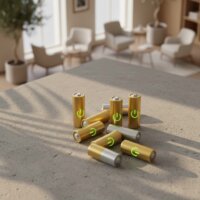
I’ve been slowly switching all my household batteries to rechargeable, and these C batteries are a lifesaver for my kids’ toys. The NiMH technology really holds up, and I love not having to constantly buy disposables. It’s such a relief knowing I’m cutting down on waste too.
Finally found some reliable rechargeable C batteries for my outdoor lanterns! The initial cost felt a little high, but considering how many times I can reuse them, it’s definitely saving me money in the long run. Plus, the environmental benefit is a huge bonus.
I got these for my automatic pet feeder, and while they work, I’ve noticed a slight drop in power output compared to the alkaline ones I used before. It’s not a dealbreaker, but the feeder motor sounds a little weaker. They do recharge fine though.
These rechargeable C batteries are pretty solid. I use them in my portable radio and they last a good while between charges. My only minor complaint is that they take a bit longer to fully charge than I expected, but once they’re juiced up, they perform well.