Hey there, fellow tech enthusiasts and everyday gadget users! As a seasoned electronics engineer with over a decade in the field, I’ve seen countless innovations, but few have had as significant an impact on our daily lives and the environment as rechargeable batteries. Specifically, AA rechargeable batteries and charger combinations are a game-changer, moving us away from endless disposable waste and towards a smarter, more sustainable power solution. At Kiedl.com, we’re all about empowering you with knowledge, and today, we’re diving deep into everything you need to know to harness the true potential of these little powerhouses.
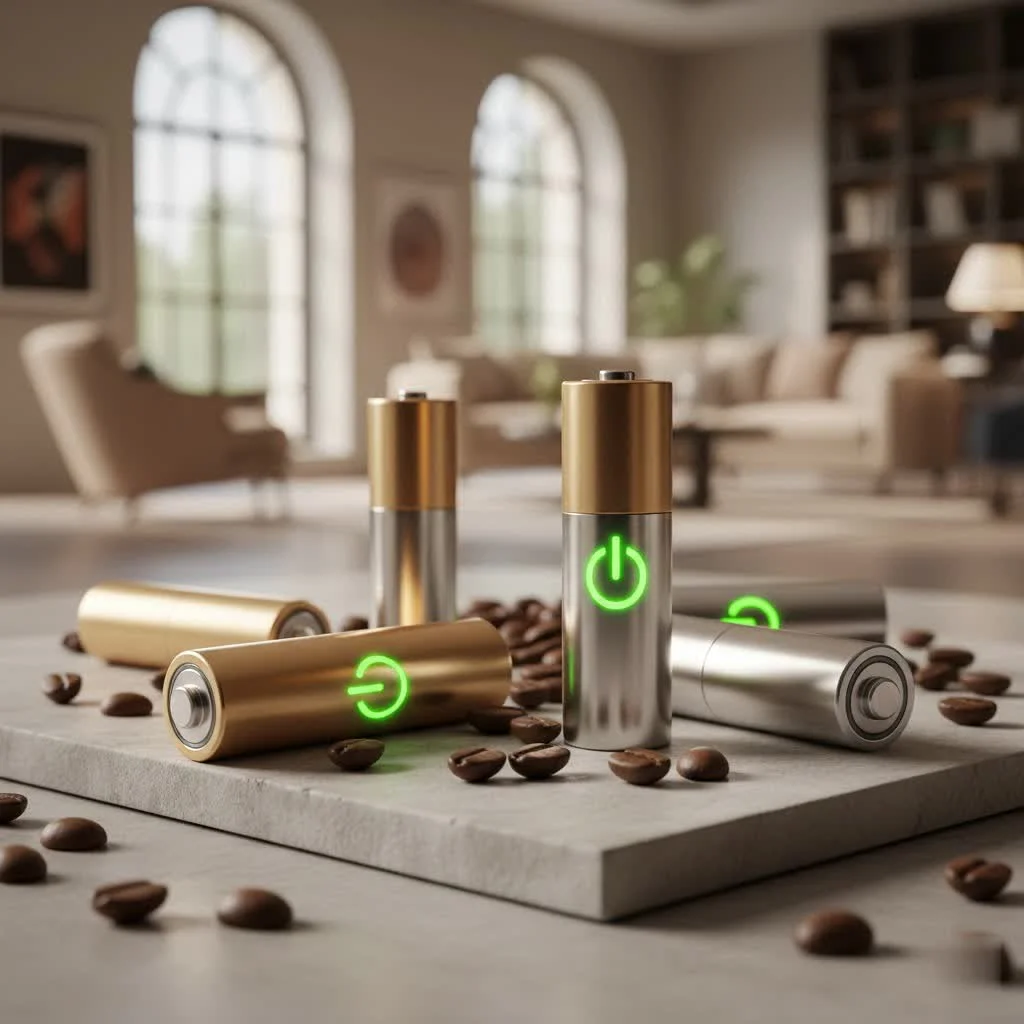
Choosing the right AA rechargeable batteries and charger isn’t just about saving money in the long run; it’s about optimizing performance for your devices, minimizing your environmental footprint, and ensuring safety. Think about it: how many times have you rummaged through drawers for a fresh set of batteries, only to find dead ones? Or perhaps you’ve felt that pang of guilt tossing spent alkalines into the trash. It’s time to change that narrative. For compare top rechargeable batteries on this site.
Understanding AA Rechargeable Batteries: Powering Your Devices Sustainably
When we talk about AA rechargeable batteries, we’re primarily focusing on Nickel-Metal Hydride (NiMH) technology. This chemistry has become the gold standard for good reason, offering a fantastic balance of performance, safety, and environmental responsibility.
NiMH: The Modern Workhorse
NiMH batteries are secondary-cell power sources, meaning they’re designed for repeated use. They’re a staple in everything from TV remotes and children’s toys to digital cameras and wireless gaming controllers, providing consistent and reliable energy.
Historically, NiMH batteries had a reputation for quickly losing their charge, even when not in use—a phenomenon known as self-discharge. However, modern advancements have given us Low Self-Discharge (LSD) NiMH batteries. These are often pre-charged and can retain up to 70-85% of their capacity even after a year in storage, making them incredibly convenient for emergency kits or devices you use sporadically.
Pros of NiMH:
- High Energy Density: They pack a good amount of power for their size.
- Environmentally Friendlier: Unlike their NiCd predecessors, they don’t contain toxic cadmium. Recycling them is still crucial, of course!
- No Memory Effect: Older battery chemistries sometimes “remembered” their charging point, reducing capacity if not fully discharged. NiMH batteries are largely free from this issue.
- Widely Compatible: Most modern electronics are designed to work perfectly with the 1.2V nominal voltage of NiMH cells.
Cons of NiMH:
- Slightly Lower Voltage: At 1.2V, they are a bit lower than the 1.5V of alkaline batteries. While most devices adapt, some very old or sensitive electronics might perform sub-optimally.
- Cold Weather Performance: Extreme cold temperatures can slow down the chemical reactions inside the battery, reducing available power. However, performance typically recovers at room temperature.
A Note on Other Chemistries
|
Our Picks for the Best Rechargeable Batteries in 2026
As an Amazon Associate I earn from qualifying purchases.
|
||
| Num | Product | Action |
|---|---|---|
| 1 | EBL AA 2300mAh (8 Pack) and AAA 1100mAh (8 Pack) Ni-MH Rechargeable Batteries and AA AAA Rechargeable Battery Charger with 2 USB Charging Ports |

|
| 2 | Amazon Basics 12-Pack Rechargeable AA NiMH Performance Batteries, 2000 mAh, 1.2V, Recharge up to 1000x Times, Pre-Charged |
|
| 3 | Amazon Basics 24-Pack Rechargeable AA NiMH Batteries, 2000 mAh, 1.2V, Recharge up to 1000x Times, Pre-Charged |
|
| 4 | POWEROWL Rechargeable AA and AAA Batteries with Fast Charger, High Capacity NiMH - 4 x 2800mAh AA & 4 x 1000mAh AAA |
|
| 5 | Amazon Basics 4-Bay Battery Charger for AA & AAA Rechargeable Batteries with Rechargeable AA NiMh Batteries, 4 count (Pack of 1), Type A (American) Plug, Black |
|
| 6 | Amazon Basics 12-Pack Rechargeable AAA NiMH Performance Batteries, 800 mAh, 1.2V, Recharge up to 1000x Times, Pre-Charged |
|
| 7 | Amazon Basics 16-Pack Rechargeable AA NiMH Batteries, 2000 mAh, 1.2V, Recharge up to 1000x Times, Pre-Charged |
|
| 8 | Amazon Basics NiMh Rechargeable Batteries (4 AA & 4 AAA) with 4 Bay Battery Charger, Type A (American) Plug, Black, 8 Count |
|
| 9 | EBL 16 Sets AA AAA Batteries Combo with 8PCS AA 2300mAh & 8-Pack AAA 800mAh Rechargeable Batteries |
|
| 10 | Amazon Basics 24-Pack Rechargeable AAA NiMH Performance Batteries, 800 mAh, 1.2V, Recharge up to 1000x Times, Pre-Charged |
|
While NiMH dominates the AA rechargeable battery market, you might occasionally encounter other types:
- NiCd (Nickel-Cadmium): These are largely obsolete and for good reason. They suffer from low capacity, a pronounced “memory effect,” and contain toxic cadmium, leading to restrictions on their use in many regions. Avoid them if possible.
- Lithium-ion AA-sized Cells: These are a newer, less common player in the AA form factor. While they boast a 1.5V output, matching alkaline batteries, they are often more expensive and typically require specialized chargers. For most consumer applications, LSD NiMH remains the practical and economical choice.
Decoding the Specs: What to Look for in AA Rechargeable Batteries
Choosing the best AA rechargeable batteries isn’t just about grabbing the cheapest pack. It’s about understanding a few key specifications that dictate performance and longevity.
-
Capacity (mAh): The Stamina Factor. Measured in milliampere-hours (mAh), capacity tells you how much energy a battery can store and deliver over time. A higher mAh rating means longer runtime for your devices. For high-drain devices like digital cameras or gaming controllers, aim for AA rechargeable batteries with 2000mAh or higher. For low-drain items like remote controls, a lower capacity might suffice, but generally, more is better. Beware of unrealistic claims – true NiMH capacities rarely exceed 2500-2700mAh.
-
Low Self-Discharge (LSD): Ready When You Are. As discussed, LSD technology is crucial. It ensures your batteries hold their charge for months while in storage, making them reliable when you need them most. Always prioritize LSD NiMH for convenience.
-
Cycle Life: How Long They’ll Last. This specification indicates how many times a battery can be recharged and discharged before its capacity significantly degrades. Quality LSD NiMH batteries typically offer 500 to over 2000 charge cycles, a substantial lifespan that translates to significant savings and waste reduction.
-
Voltage: The Standard 1.2V. Remember that NiMH AA batteries operate at a nominal 1.2 volts. Most modern electronics are designed with this in mind. If you have a very old or highly sensitive device, it’s worth checking its specific voltage requirements, but for the vast majority, 1.2V is perfectly fine.
-
Brand and Build Quality: Trust in What You Buy. Reputable brands like Panasonic Eneloop, Energizer Rechargeable, and Duracell Rechargeable invest in consistent electrode coatings and internal resistance control, leading to improved longevity and safety. While budget options exist, sometimes paying a bit more upfront for a known brand can save you headaches and disappointment down the line.
The Charger Chronicles: Choosing the Right Companion for Your AA Rechargeables
Having top-tier AA rechargeable batteries is only half the battle. The charger you use plays an equally critical role in their performance, safety, and lifespan. This isn’t an area where you want to cut corners.
The Indispensable Smart Charger
Forget the basic, slow chargers that came free with your first rechargeable pack years ago. Today, a “smart charger” is an essential investment for any serious user of rechargeable batteries.
What makes a charger “smart”?
- Individual Cell Charging: This is paramount. A smart charger can detect and charge each battery independently. This is vital because batteries in a pack might have different charge levels or internal resistance. Charging them individually prevents overcharging of already full cells and ensures all batteries reach their optimal capacity.
- Auto-Cut-Off: Once a battery is fully charged, a smart charger will automatically stop delivering current. This prevents overcharging, which is detrimental to battery health and can lead to overheating.
- Delta-V Detection: Advanced chargers monitor the voltage curve of the battery. As a NiMH battery reaches full charge, its voltage slightly drops. A smart charger detects this subtle “delta-V” and terminates the charge.
- Temperature Monitoring: Overcharging can generate heat. Good smart chargers include temperature sensors to prevent batteries from overheating, a critical safety feature.
- Refresh Modes: Some smart chargers offer “refresh” or “discharge” modes, which can help recondition batteries that have developed a mild memory effect or lost some capacity over time.
Why Avoid Basic Chargers
Basic, unintelligent chargers are often responsible for prematurely killing rechargeable batteries. They typically charge batteries in pairs or groups and lack the sophisticated monitoring of smart chargers. This can lead to:
- Overcharging: If one battery in a pair charges faster than the other, the slower one will continue to charge, while the already full one gets overcharged, degrading its lifespan.
- Undercharging: Conversely, a fast-charging battery might cause the charger to terminate prematurely, leaving other cells undercharged.
- Reduced Lifespan: The constant stress of improper charging significantly shortens the overall cycle life of your valuable AA rechargeable batteries.
Charging Speed vs. Battery Lifespan
While fast chargers are convenient, remember that rapid charging can generate more heat, which can stress batteries. For daily use, a moderately fast smart charger that prioritizes battery health over lightning-fast charging is often the best choice. As electronics engineer Jane Doe often says, “Patience is a virtue, especially when it comes to charging your precious AA rechargeable batteries. A smart charger prioritizes their longevity, not just speed.”
Practical Tips for Optimal Use: Extending the Life of Your AA Rechargeables
To truly maximize the lifespan and performance of your AA rechargeable batteries and charger, here are some essential tips:
- Proper Charging Techniques: Always use a compatible smart charger designed for NiMH cells. Avoid leaving batteries on charge indefinitely after they are full, even with auto-cut-off, as a minimal trickle charge might still occur.
- Storage Best Practices: Store your AA rechargeable batteries in a cool, dry place, away from direct sunlight or extreme temperatures. Avoid storing them in sub-freezing conditions, as this can temporarily impact performance.
- Safety First: What to Avoid:
- Never mix different battery chemistries (e.g., NiMH with alkaline) or brands in the same device.
- Do not mix old and new rechargeable batteries.
- Never puncture, disassemble, or throw batteries into a fire. Quality rechargeable AA batteries include built-in safety vents, but misuse is dangerous.
- Recycling Your Old Batteries: When your AA rechargeable batteries finally reach the end of their useful life, don’t just toss them in the regular trash. NiMH batteries should be recycled at designated e-waste centers. This ensures that valuable materials are recovered and harmful substances are disposed of responsibly.
Rechargeable AA vs. Alkaline: A Long-Term Perspective
The debate between rechargeable and alkaline batteries often boils down to initial cost versus long-term value. While a pack of AA rechargeable batteries and a good charger might seem like a larger upfront investment, the economics quickly shift in their favor.
A $20 set of quality NiMH AA rechargeable batteries lasting 500 cycles can cost as little as $0.04 per charge, compared to $0.50 or more for a single-use alkaline. This makes them significantly more cost-effective over their lifespan. Beyond the financial savings, the environmental benefits are profound. By choosing rechargeable, you’re preventing hundreds of disposable batteries from ending up in landfills, significantly reducing electronic waste.
For high-drain devices, rechargeable batteries often outperform alkalines, providing a more consistent voltage output throughout their discharge cycle. This means your devices run more reliably without experiencing a sudden drop in power as the battery drains.
Frequently Asked Questions
Q: How many times can I recharge AA NiMH batteries?
A: Quality Low Self-Discharge (LSD) NiMH batteries can typically last anywhere from 500 to over 2000 charge cycles, depending on the brand, how they are used, and the care they receive.
Q: Can I use AA rechargeable batteries in any device?
A: Most modern devices are designed to work perfectly with 1.2V NiMH rechargeable cells. However, for older electronics or specialized precision instruments, it’s always wise to consult the manufacturer’s guidelines, as some might specifically require 1.5V alkaline batteries.
Q: Why do my rechargeable batteries die faster in cold weather?
A: Cold temperatures slow down the chemical reactions that generate electricity inside the battery, which can temporarily reduce their available power and capacity. Once the batteries return to room temperature, their performance typically recovers.
Q: Are expensive brands worth it?
A: In many cases, yes. Premium brands often invest more in research, development, and quality control, resulting in batteries with better cycle life, more consistent performance, and often longer warranties. While the initial cost is higher, they can be more cost-effective over time due to their durability and reliability.
Q: Do I need a special charger for rechargeable AA batteries?
A: Absolutely! It’s crucial to use a smart charger specifically designed for NiMH cells. These chargers prevent overcharging, monitor individual battery health, and help extend the overall lifespan of your rechargeable batteries.
The Kiedl.com Advantage: Powering Your World, Sustainably
Making the switch to AA rechargeable batteries and charger is one of the smartest decisions you can make for your wallet, your gadgets, and our planet. By understanding the different types, key specifications, and the crucial role of a smart charger, you’re no longer just buying batteries; you’re investing in a long-term, sustainable power solution.
At Kiedl.com, we believe that informed choices lead to better experiences. So, go ahead, choose wisely, charge smartly, and enjoy the lasting power and peace of mind that comes with knowing you’re doing your part for a more sustainable future. Have you made the switch to rechargeables? Share your experiences and favorite brands with us—we love hearing from our community!
Get our weekly buyer guide
Practical specs, not advice. Unsubscribe anytime.