In today’s gadget-filled world, the demand for reliable and sustainable power sources has never been higher. From your TV remote to your children’s toys, countless devices rely on everyday batteries. But what if you could ditch the endless cycle of buying, using, and discarding single-use cells? That’s where rechargeable batteries come into play, and Amazon has become a go-to marketplace for consumers seeking these eco-friendly powerhouses. At Kiedl, we’re passionate about helping you navigate this landscape, ensuring you make informed choices that benefit both your wallet and the planet.
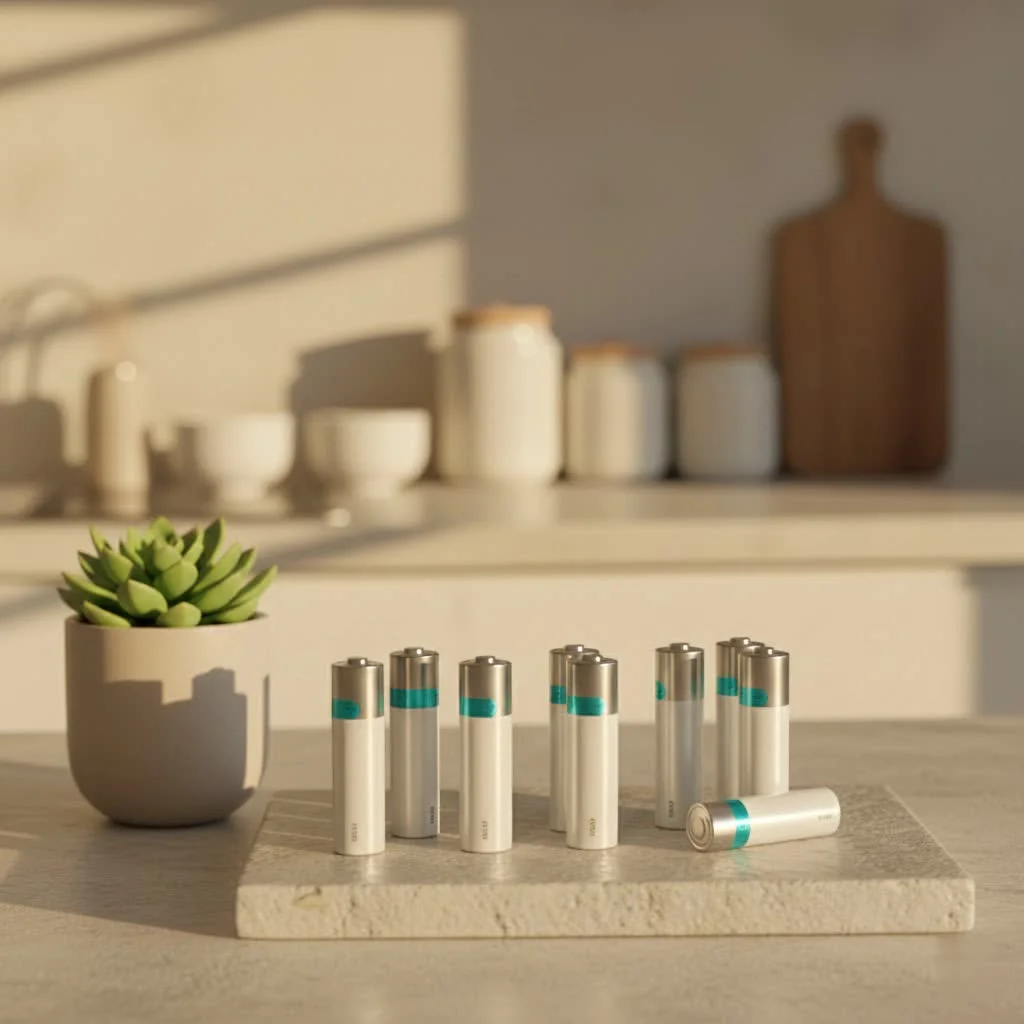
Unpacking the World of Rechargeable Batteries on Amazon
When you browse for rechargeable batteries on Amazon, you’ll primarily encounter two major chemistries: Nickel-Metal Hydride (NiMH) and, increasingly, Lithium-ion (Li-ion) variants. NiMH batteries, like the popular AA and AAA sizes, are the most common and versatile choice for everyday electronics. They’ve come a long way, now offering “low self-discharge” (LSD) properties, meaning they hold their charge for months or even years, ready when you need them. Li-ion rechargeable AA/AAA batteries, while newer and often pricier, offer a consistent 1.5V output, which can be a game-changer for certain sensitive devices.
Amazon’s vast selection means you can compare features, read user reviews, and find competitive pricing, making it an ideal platform to explore your options. But with so many choices, how do you pick the right ones? Let’s delve into the top brands and what sets them apart.
Top Contenders: A Closer Look at Popular Rechargeable Battery Brands on Amazon
Navigating the multitude of brands on Amazon can be overwhelming. Here’s a breakdown of the leading players and their unique selling points.
Amazon Basics Rechargeable Batteries: The Everyday Workhorse
If you’ve ever searched for rechargeable batteries on Amazon, you’ve likely come across Amazon Basics. These NiMH batteries are celebrated for their unbeatable value and accessibility. They provide reliable power for a wide array of low to moderately high-drain devices, from wireless mice to digital clocks. While generally offering good performance, it’s worth noting that some users have observed fluctuations in quality over time, with a perceived shift in manufacturing. However, for sheer cost-effectiveness and convenience, Amazon Basics remain a solid contender, typically offering capacities like 2000-2400 mAh for AA cells.
Panasonic Eneloop and Eneloop Pro: The Gold Standard
For many enthusiasts and professionals, Panasonic Eneloop batteries, particularly the Eneloop Pro series, are the undisputed champions of NiMH rechargeable technology. They are renowned for their exceptionally low self-discharge rate, holding up to 70% of their charge after 10 years in storage, making them perfect for devices you don’t use daily. Eneloop Pro batteries offer higher capacities (e.g., 2500 mAh for AA) for high-drain applications, while standard Eneloops boast an incredible cycle life of up to 2100 recharges. Yes, they come with a higher initial price tag on Amazon, but their longevity and consistent performance often justify the investment.
Energizer Recharge Universal: Balancing Power and Price
|
Our Picks for the Best Rechargeable Batteries in 2026
As an Amazon Associate I earn from qualifying purchases.
|
||
| Num | Product | Action |
|---|---|---|
| 1 | Amazon Basics NiMh Rechargeable Batteries (4 AA & 4 AAA) with 4 Bay Battery Charger, Type A (American) Plug, Black, 8 Count |

|
| 2 | EBL AA 2300mAh (8 Pack) and AAA 1100mAh (8 Pack) Ni-MH Rechargeable Batteries and AA AAA Rechargeable Battery Charger with 2 USB Charging Ports |
|
| 3 | EBL 16 Sets AA AAA Batteries Combo with 8PCS AA 2300mAh & 8-Pack AAA 800mAh Rechargeable Batteries |
|
| 4 | POWEROWL Rechargeable AA and AAA Batteries with Fast Charger, High Capacity NiMH - 4 x 2800mAh AA & 4 x 1000mAh AAA |
|
| 5 | Amazon Basics 12-Pack Rechargeable AA NiMH Performance Batteries, 2000 mAh, 1.2V, Recharge up to 1000x Times, Pre-Charged |
|
| 6 | Amazon Basics 12-Pack Rechargeable AAA NiMH Performance Batteries, 800 mAh, 1.2V, Recharge up to 1000x Times, Pre-Charged |
|
| 7 | Amazon Basics 24-Pack Rechargeable AA NiMH Batteries, 2000 mAh, 1.2V, Recharge up to 1000x Times, Pre-Charged |
|
| 8 | Amazon Basics 4-Bay Battery Charger for AA & AAA Rechargeable Batteries with Rechargeable AA NiMh Batteries, 4 count (Pack of 1), Type A (American) Plug, Black |
|
| 9 | Amazon Basics 24-Pack Rechargeable AAA NiMH Performance Batteries, 800 mAh, 1.2V, Recharge up to 1000x Times, Pre-Charged |
|
| 10 | Amazon Basics 16-Pack Rechargeable AA NiMH Batteries, 2000 mAh, 1.2V, Recharge up to 1000x Times, Pre-Charged |
|
Energizer is a household name in batteries, and their Recharge Universal line on Amazon offers a compelling balance of capacity, charge cycles, and affordability. These NiMH batteries typically deliver around 2000-2300 mAh for AA cells and are rated for up to 1000 recharges. They are a reliable choice for everyday electronics, providing consistent power without breaking the bank. Many consumers find them to be a robust and dependable alternative to the higher-priced Eneloops, offering excellent value for money on Amazon.
EBL Rechargeable Batteries: High Capacity, Budget-Friendly
EBL has carved out a niche on Amazon by offering rechargeable NiMH batteries, often with impressive stated capacities, such as 2800 mAh for AA batteries, at very competitive prices. They appeal to budget-conscious buyers looking for maximum milliamp-hours. However, it’s always wise to temper expectations with high-capacity claims, as independent tests sometimes show that actual performance might not fully meet the advertised specifications compared to more premium brands. Despite this, EBL batteries can be a good option for devices where raw capacity is prioritized over absolute consistency or long-term cycle life, especially when purchased in bulk on Amazon.
The Rise of 1.5V Lithium-ion Rechargeables on Amazon
While NiMH batteries typically have a nominal voltage of 1.2V (which gradually drops as they discharge), a newer wave of rechargeable AA/AAA batteries on Amazon leverages Lithium-ion technology to provide a constant 1.5V output. Brands like Tenavolts and Xtar are leading this innovation. This consistent voltage is crucial for certain electronics, such as some digital cameras, medical devices, or high-end flashlights, that might not perform optimally with the fluctuating voltage of NiMH cells. The trade-off is often a higher initial cost and the requirement for dedicated chargers, but for performance-critical applications, they are a fantastic option.
Decoding the Specs: What to Look for When Buying on Amazon
Understanding the key specifications will help you choose the best rechargeable batteries for your needs.
Capacity (mAh): More Isn’t Always Better
Capacity, measured in milliamp-hours (mAh), indicates how much energy a battery can store, directly correlating to how long it will power a device. For instance, a 2000 mAh battery will theoretically run a device consuming 100 mA for 20 hours. While a higher mAh rating generally means longer run times, it’s not the only factor. For low-drain devices like clocks, extremely high-capacity batteries might not be necessary, and you could save money with a mid-range option. For high-drain gadgets like gaming controllers or camera flashes, investing in higher mAh batteries, such as 2500 mAh Eneloop Pros, will certainly pay off.
Cycle Life: The Longevity Factor
Cycle life refers to the number of times a rechargeable battery can be fully charged and discharged before its capacity significantly degrades. Most quality NiMH batteries on Amazon boast impressive cycle lives, ranging from 400 to over 2100 cycles. A higher cycle life translates directly to greater long-term savings and a reduced environmental footprint, as you’ll be buying fewer batteries over time. It’s a key indicator of a battery’s overall quality and durability.
Low Self-Discharge (LSD) Technology: Ready When You Are
Modern NiMH batteries, often marketed as “pre-charged” or “ready to use,” feature Low Self-Discharge (LSD) technology. This means they retain their charge far longer than older NiMH generations. If you’ve ever reached for a “fully charged” conventional NiMH battery only to find it dead, you understand the frustration LSD technology solves. This feature is particularly beneficial for emergency kits, remote controls, or any device used infrequently, ensuring your batteries are ready to go even after months in storage.
Voltage (1.2V vs. 1.5V): A Crucial Distinction
This is where understanding your device’s needs becomes critical. Standard NiMH rechargeable batteries operate at a nominal voltage of 1.2V. While many devices designed for 1.5V alkaline batteries work perfectly fine with 1.2V NiMH, some high-performance or sensitive electronics might experience issues or reduced functionality (e.g., dimmer lights, slower motors) due to the slightly lower and gradually decreasing voltage. In such cases, the newer 1.5V Lithium-ion rechargeable AA/AAA batteries, which maintain a constant 1.5V throughout their discharge, are the superior choice, ensuring optimal device performance.
“Choosing the right voltage for your device is paramount,” advises Dr. Chen Ling, a leading battery chemist at Kiedl Labs. “While 1.2V NiMH batteries are incredibly versatile, constant 1.5V lithium options can prevent performance bottlenecks in high-demand applications.”
Smart Charging & Care for Your Amazon Rechargeable Batteries
Proper charging and maintenance are vital to maximizing the lifespan and performance of your rechargeable batteries.
Choosing the Right Charger
A good charger is just as important as the batteries themselves. Invest in a “smart charger” that can charge each battery cell individually, monitor its status, and automatically stop charging when full. Avoid “dumb chargers” that often overcharge, which can severely shorten battery life and even pose safety risks. Many reputable brands on Amazon offer excellent smart chargers, sometimes bundled with their batteries.
Best Practices for Charging and Storage
- Don’t Overcharge: While smart chargers help, it’s always best to remove batteries once fully charged.
- Optimal Storage: For NiMH batteries, storing them at a partial charge (around 50%) in a cool, dry place is ideal. Avoid extreme temperatures, as heat can accelerate degradation.
- Safety First: Always use batteries from reputable brands. If a battery appears damaged, swollen, or unusually hot, discontinue use immediately. Ensure good ventilation during charging.
- Cycle for Longevity: For NiMH batteries, an occasional full discharge followed by a full recharge (a “conditioning cycle”) can help maintain their capacity, though modern LSD NiMH batteries are less susceptible to memory effect than older NiCd types.
The Environmental and Economic Perks of Going Rechargeable
Making the switch to rechargeable batteries from Amazon is a powerful statement for both your finances and the environment. Over their lifespan, a single rechargeable battery can replace hundreds of disposable ones, drastically reducing landfill waste. This commitment to sustainability is at the heart of Kiedl’s mission. While the initial investment might be slightly higher, the long-term savings on battery purchases are substantial, making it a wise choice for any household or business.
Frequently Asked Questions About Amazon Rechargeable Batteries
Q: Are Amazon Basics rechargeable batteries good?
A: Yes, Amazon Basics rechargeable batteries offer excellent value for money and perform well for most everyday, low to medium-drain devices. They are a popular choice due to their affordability and availability on Amazon.
Q: How many times can I recharge a battery?
A: The number of times you can recharge a battery, known as its “cycle life,” varies by chemistry and quality. High-quality NiMH batteries, like Panasonic Eneloops, can often be recharged 500 to over 2100 times before significant capacity loss.
Q: Can I use rechargeable batteries in any device?
A: Most devices designed for standard AA/AAA alkaline batteries will work with 1.2V NiMH rechargeable batteries. However, some high-drain or voltage-sensitive devices might perform better or require 1.5V Lithium-ion rechargeable batteries for optimal functionality. Always check your device’s manual if unsure.
Q: What’s the difference between 1.2V and 1.5V rechargeable batteries?
A: 1.2V rechargeable batteries (NiMH) have a nominal voltage that gradually drops during discharge. 1.5V rechargeable batteries (Li-ion) maintain a constant 1.5V output throughout most of their discharge cycle, which is beneficial for devices that require a steady voltage.
Q: How do I dispose of old rechargeable batteries?
A: Rechargeable batteries should never be thrown in the regular trash. They contain materials that can be harmful to the environment and are often recyclable. Look for local battery recycling programs or drop-off points, which can often be found at electronics stores or dedicated recycling centers.
Powering Your World Responsibly with Kiedl
Choosing rechargeable batteries from Amazon isn’t just a smart purchasing decision; it’s a step towards a more sustainable future. By understanding the types, brands, and specifications available, you can confidently select the perfect power solutions for all your devices. At Kiedl, we’re dedicated to being your trusted resource for everything related to rechargeable batteries, empowering you to make informed choices that are both efficient and environmentally conscious. So go ahead, power up your world responsibly, and embrace the longevity and performance that modern rechargeable batteries offer.
Get our weekly buyer guide
Practical specs, not advice. Unsubscribe anytime.