In today’s fast-paced world, where gadgets and electronics are central to our daily lives, the humble battery often goes unnoticed—until it dies. But for those in the know, especially us engineers at Kiedl, the choice of power source is a critical one. We’re talking about triple AAA rechargeable batteries – the unsung heroes of countless remote controls, wireless mice, flashlights, and even some high-tech medical devices. These compact powerhouses offer a sustainable, cost-effective, and efficient alternative to their single-use counterparts, transforming how we power our lives and reduce our environmental footprint.
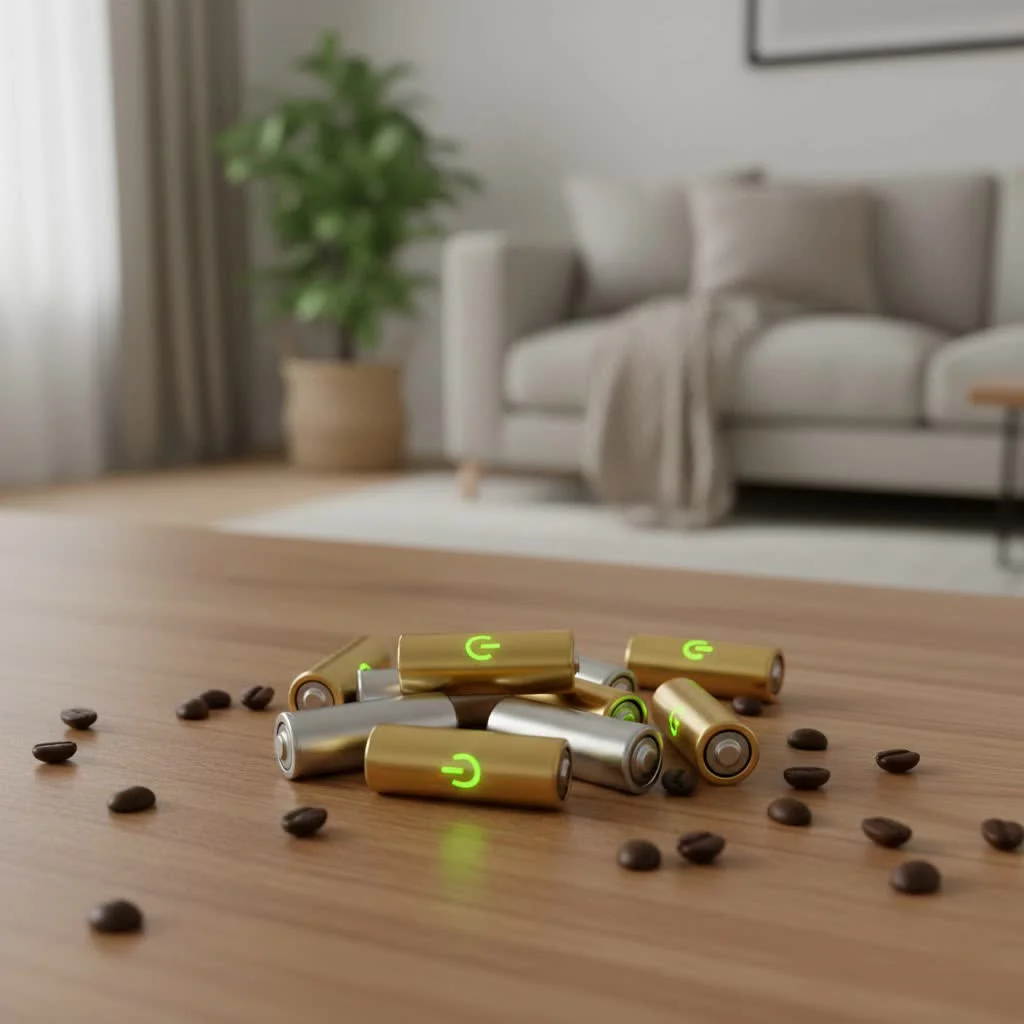
Gone are the days of constantly buying new alkaline batteries, only to toss them away after a short lifespan. Modern rechargeable AAA batteries, with their advanced chemistry and intelligent design, provide a reliable and long-lasting power solution. As an electronics engineer with over a decade in the field, specializing in rechargeable battery R&D, I’ve seen these technologies evolve dramatically. Let’s dive deep into everything you need to know about selecting, using, and maintaining your triple AAA rechargeable batteries to ensure optimal performance and longevity for all your devices. For expert rechargeable batteries reviews on this site.
Understanding the Heart of Your Devices: Types of Triple AAA Rechargeable Batteries
Not all rechargeable batteries are created equal, and their internal chemistry plays a significant role in their performance. When it comes to triple AAA rechargeable batteries, you’ll primarily encounter a few key types, each with its unique characteristics.
Nickel-Metal Hydride (NiMH): The Workhorse of Rechargeables
Nickel-Metal Hydride (NiMH) batteries are the most common and widely recommended type of rechargeable AAA batteries on the market today. They’ve earned this reputation for good reason, offering a fantastic balance of capacity, longevity, and environmental friendliness.
- Nominal Voltage: Typically 1.2V. While slightly lower than the 1.5V of fresh alkaline batteries, most modern electronics are designed to operate perfectly well with NiMH cells without any noticeable performance drop.
- Capacity (mAh): For AAA NiMH batteries, capacities usually range from 700mAh to 1100mAh. A higher milliamp-hour (mAh) rating means the battery can store more energy, leading to longer runtime for your devices. For instance, brands like EBL and HiQuick offer impressive 1100mAh AAA NiMH batteries, while Panasonic Eneloop Pro provides 930mAh for demanding applications.
- Low Self-Discharge (LSD NiMH): This is a game-changer. Older NiMH batteries would rapidly lose their charge when not in use. Modern LSD NiMH batteries, however, such as the Panasonic Eneloop series, retain a significant portion of their charge for months, even years. Some Eneloop models can hold 70% of their charge for up to 10 years! This means they’re ready to go when you need them, whether they’ve been sitting in a drawer or a low-drain device.
- No Memory Effect: Unlike their predecessor, Nickel-Cadmium (NiCd) batteries, NiMH batteries suffer from virtually no “memory effect.” This means you don’t need to fully discharge them before recharging, offering greater convenience and flexibility.
- High Current Output Capability: Quality NiMH batteries are designed to efficiently deliver the high current bursts required by demanding devices like camera flashes or certain remote-controlled toys.
NiMH batteries are generally the gold standard for most consumer electronics due to their versatility and reliable performance.
Nickel-Zinc (Ni-Zn): The High-Voltage Alternative
|
Our Picks for the Best Rechargeable Batteries in 2026
As an Amazon Associate I earn from qualifying purchases.
|
||
| Num | Product | Action |
|---|---|---|
| 1 | EBL 16 Sets AA AAA Batteries Combo with 8PCS AA 2300mAh & 8-Pack AAA 800mAh Rechargeable Batteries |

|
| 2 | Amazon Basics 12-Pack Rechargeable AAA NiMH Performance Batteries, 800 mAh, 1.2V, Recharge up to 1000x Times, Pre-Charged |
|
| 3 | Amazon Basics 12-Pack Rechargeable AA NiMH Performance Batteries, 2000 mAh, 1.2V, Recharge up to 1000x Times, Pre-Charged |
|
| 4 | Amazon Basics 24-Pack Rechargeable AAA NiMH Performance Batteries, 800 mAh, 1.2V, Recharge up to 1000x Times, Pre-Charged |
|
| 5 | Amazon Basics 24-Pack Rechargeable AA NiMH Batteries, 2000 mAh, 1.2V, Recharge up to 1000x Times, Pre-Charged |
|
| 6 | POWEROWL Rechargeable AA and AAA Batteries with Fast Charger, High Capacity NiMH - 4 x 2800mAh AA & 4 x 1000mAh AAA |
|
| 7 | EBL AA 2300mAh (8 Pack) and AAA 1100mAh (8 Pack) Ni-MH Rechargeable Batteries and AA AAA Rechargeable Battery Charger with 2 USB Charging Ports |
|
| 8 | Amazon Basics 16-Pack Rechargeable AA NiMH Batteries, 2000 mAh, 1.2V, Recharge up to 1000x Times, Pre-Charged |
|
| 9 | Amazon Basics 4-Bay Battery Charger for AA & AAA Rechargeable Batteries with Rechargeable AA NiMh Batteries, 4 count (Pack of 1), Type A (American) Plug, Black |
|
| 10 | Amazon Basics NiMh Rechargeable Batteries (4 AA & 4 AAA) with 4 Bay Battery Charger, Type A (American) Plug, Black, 8 Count |
|
Ni-Zn batteries offer a different voltage profile, making them suitable for specific applications.
- Nominal Voltage: Approximately 1.6V. This higher voltage closely matches that of a fresh alkaline battery, and in some devices, it can lead to noticeable performance improvements, such as a brighter flashlight beam or faster motor speeds.
- Capacity (mAh): Typically lower than NiMH, often around 500mAh to 550mAh. However, their higher voltage means they can still deliver a comparable amount of energy (measured in milliwatt-hours, mWh) to some higher-capacity NiMH batteries.
While they offer a voltage advantage for certain devices, Ni-Zn batteries are less common and require specific chargers. Using a standard NiMH charger could potentially damage them, and their higher voltage might not be compatible with all electronics.
1.5V Constant Voltage Lithium-ion: The Emerging Contender
This is a newer, innovative type of rechargeable battery that directly addresses the voltage difference often seen with NiMH.
- Internal Buck-Boost Circuit: These batteries contain clever internal circuitry that takes a higher voltage lithium-ion cell and regulates it down to a stable 1.5V output throughout the discharge cycle. This mimics the consistent voltage of a fresh alkaline battery, preventing devices from showing premature “low battery” warnings.
- Capacity (mWh): Often expressed in milliwatt-hours (mWh) rather than mAh, as mWh provides a more accurate representation of total energy for varying voltages.
- Convenient Charging: Many 1.5V Li-ion AAA batteries feature built-in USB-C charging ports, eliminating the need for a separate dedicated charger. This can be incredibly convenient for travelers or those with minimal charging space.
- Niche Use Cases: Ideal for voltage-sensitive devices that might struggle with the 1.2V of NiMH, such as certain medical equipment or smart home sensors where stable power is paramount.
Decoding the Specs: What to Look for in Your AAA Rechargeable Batteries
Choosing the right triple AAA rechargeable batteries can feel like navigating a maze of numbers and acronyms. Here’s what those technical specifications truly mean for your devices and how to make an informed choice.
Capacity (mAh or mWh): The Fuel Tank Size
- mAh (Milliampere-hour): This rating is your battery’s capacity—how much electrical charge it can store. Think of it as the size of the fuel tank. For NiMH AAA batteries, you’ll typically see capacities ranging from 700mAh to 1100mAh. A higher mAh means a larger “fuel tank” and, consequently, a longer runtime for your device on a single charge. For high-drain devices like digital cameras or camera flashguns, aiming for capacities of 900mAh or more is often beneficial.
- mWh (Milliwatt-hour): For 1.5V constant voltage Li-ion batteries, mWh is a better indicator of total energy. Since the voltage is regulated, mWh accounts for both voltage and current over time, giving you a more accurate picture of how long the battery will last compared to simply looking at mAh. Always check the appropriate unit for the battery type.
Voltage (V): The Power Delivery
- 1.2V (NiMH): The standard nominal voltage for NiMH rechargeables. As mentioned, most modern devices are designed to work perfectly fine with this.
- 1.5V (Alkaline/Regulated Li-ion): This is the voltage of traditional alkaline batteries and what 1.5V constant voltage Li-ion batteries replicate. For extremely voltage-sensitive electronics, these Li-ion options can prevent issues like premature low battery indicators.
- 1.6V (Ni-Zn): A higher voltage that can provide an extra boost in performance for some devices, but requires careful compatibility checks.
Cycle Life: How Many Times Can You Recharge?
This specification tells you how many times a battery can be fully charged and discharged before its capacity significantly degrades. High-quality NiMH batteries can offer an impressive 500 to over 2100 charge cycles, making them a truly long-term investment. For example, standard Panasonic Eneloop AAA batteries boast up to 2100 cycles, while the higher-capacity Eneloop Pro offers 500 cycles. For 1.5V Li-ion batteries, cycle life typically ranges from 500-1000 cycles.
Self-Discharge Rate: Keeping the Charge When Idle
Modern Low Self-Discharge (LSD) NiMH batteries are engineered to retain their charge for extended periods when not in use. This is crucial for devices you don’t use every day, like emergency flashlights or seasonal decorations. Look for batteries that advertise low self-discharge rates, ensuring they’ll be ready when you need them.
Choosing the Right Triple AAA Rechargeable Batteries for Your Needs
Selecting the perfect triple AAA rechargeable batteries depends heavily on your device’s power demands and your usage habits. Let’s break down how to make the best choice.
For Low-Drain Devices
Devices like remote controls, wall clocks, and wireless computer mice typically consume very little power. For these applications, standard NiMH AAA batteries with capacities in the 700-800mAh range, and a high number of charge cycles (like the Panasonic Eneloop standard series), are often ideal. Their excellent self-discharge retention means they’ll hold their charge for months, even years, between uses.
For High-Drain Devices
Think digital cameras, camera flashguns, portable gaming controllers, or electric toothbrushes. These devices demand more power in shorter bursts. For them, you’ll want:
- Higher Capacity NiMH: Look for NiMH AAA batteries with 900mAh or more, such as Panasonic Eneloop Pro (930mAh), Powerowl Pro (1000mAh), or EBL/HiQuick (1100mAh). These offer longer runtime under heavy load.
- 1.5V Constant Voltage Li-ion: If your device is particularly sensitive to voltage drop or performs better with a consistent 1.5V output, the newer 1.5V regulated Li-ion batteries could be an excellent choice. Their steady voltage can enhance performance in certain applications.
Expert Tip: “Always consider the balance between capacity and cycle life. Sometimes a slightly lower capacity battery with many more recharge cycles offers better long-term value for frequently used devices,” advises Dr. Aris Thorne, a leading battery materials scientist.
Powering Up Safely: Charging and Maintenance for Longevity
Proper charging and maintenance are paramount to maximizing the lifespan and safety of your triple AAA rechargeable batteries. Treat them well, and they’ll serve you for years.
The Right Charger Makes All the Difference
- Chemistry Compatibility: Always use a charger designed for your battery’s specific chemistry. NiMH batteries require NiMH chargers, Ni-Zn batteries need Ni-Zn specific chargers, and 1.5V Li-ion batteries often have built-in USB-C ports or require dedicated Li-ion chargers. Mixing and matching can be dangerous and damage your batteries or charger.
- Smart Chargers: Invest in a “smart charger.” These intelligent devices automatically detect the battery’s charge level and condition, adjusting the charging rate accordingly. They prevent overcharging, which is a common culprit for reducing battery lifespan and can even lead to overheating or leakage.
- Fast vs. Slow Charging: While fast chargers can juice up your batteries quickly (sometimes in 1-2 hours), they can also generate more heat and potentially shorten the battery’s overall lifespan if used routinely. Slow chargers (which can take 8 hours or more) are generally gentler on your batteries, promoting longer life. Consider using fast charging only when absolutely necessary.
- LED Indicators: Look for chargers with clear LED indicators. These lights will show when charging is in progress and, crucially, when your batteries are fully charged, allowing you to remove them promptly and prevent overcharging.
Best Practices for Extending Battery Life
- Avoid Extreme Temperatures: Both excessively hot and freezing temperatures can negatively impact battery performance and lifespan. Store your triple AAA rechargeable batteries in a cool, dry place, ideally at room temperature. Energizer suggests an operating range of 0 to +50 degrees Celsius for use and -20 to +30 degrees Celsius for storage.
- Don’t Over-Discharge NiMH: While NiMH batteries don’t suffer from memory effect, consistently draining them to absolute zero can reduce their overall lifespan. It’s generally better to recharge them before they’re completely depleted.
- Remove from Idle Devices: For devices you won’t be using for an extended period, it’s a good practice to remove the batteries. This prevents potential leakage and ensures they retain their charge better.
- Check for Damage: Periodically inspect your batteries for any signs of physical damage, such as bulging, corrosion, or tears in the outer wrap. Damaged batteries should be recycled immediately and not used or charged.
The Eco-Friendly Choice: Recycling Triple AAA Rechargeable Batteries
One of the most significant advantages of triple AAA rechargeable batteries is their positive environmental impact. By reusing batteries hundreds or even thousands of times, you drastically reduce the waste generated by single-use alkaline cells. This translates to fewer batteries ending up in landfills, lessening the burden on our planet.
When your rechargeable batteries finally reach the end of their useful life—typically after 2-3 years or 500-1000 charge cycles, or when you notice a significant decrease in runtime or an inability to hold a charge—it’s crucial to recycle them properly. Many electronics stores, hardware stores, and municipal recycling centers offer collection points for rechargeable batteries. Look for programs like Call2Recycle or local hazardous waste facilities. Never throw rechargeable batteries in the regular trash, as they contain valuable materials that can be reclaimed and harmful substances that need proper disposal.
Frequently Asked Questions about Triple AAA Rechargeable Batteries
Q: Why do rechargeable batteries seem to suddenly run out of power?
A: Disposable alkaline batteries tend to have a gradual decline in voltage as they discharge. Rechargeable NiMH batteries, however, maintain a much more constant voltage throughout most of their discharge cycle. When they are nearing depletion, the voltage drops off rapidly, giving the impression of a sudden power loss.
Q: Can I mix different brands or capacities of AAA rechargeable batteries in one device?
A: It is generally not recommended to mix different brands, types, or capacities of batteries in the same device. Differences in internal resistance and discharge characteristics can lead to uneven draining, reduced performance, and potentially damage to both the batteries and your device. Always use a matched set of batteries.
Q: Why do some devices show a lower charge indicator with rechargeable batteries?
A: Many devices are designed to read the 1.5V output of fresh alkaline batteries. Since standard NiMH rechargeable batteries have a nominal voltage of 1.2V, some devices with built-in voltmeters might display a lower “full” reading even when the NiMH batteries are fully charged. This is usually not an issue for device performance.
Q: Are high-capacity AAA batteries always better for high-drain devices?
A: While higher capacity (mAh) generally means longer runtime, it’s essential to ensure the battery voltage is also appropriate for your device. For high-drain devices, a high mAh NiMH battery is often ideal. For extremely voltage-sensitive high-drain devices, the emerging 1.5V constant voltage Li-ion batteries might be superior due to their stable output.
The Kiedl Advantage: Powering Your World Responsibly
At Kiedl, we believe in empowering you with knowledge and reliable technology. Choosing triple AAA rechargeable batteries is a smart move for your wallet, your devices, and our planet. By understanding the different types, their technical specifications, and the best practices for charging and care, you can make confident choices that maximize performance and extend battery life.
Embrace the convenience and sustainability of rechargeable power. It’s a small change that makes a big difference, keeping your essential devices running smoothly and contributing to a greener future. With Kiedl, you’re not just buying batteries; you’re investing in a smarter, more responsible way to power your world.
Get our weekly buyer guide
Practical specs, not advice. Unsubscribe anytime.