As a seasoned electronics engineer with over a decade in cutting-edge battery R&D, I’ve seen firsthand how rechargeable battery technology has evolved, profoundly impacting our daily lives. At Kiedl, we’re passionate about empowering you with the most accurate, in-depth, and practical knowledge about power solutions. Today, let’s dive into the world of AA NiMH rechargeable batteries – a true workhorse in countless devices, and a smart choice for both your wallet and the planet.
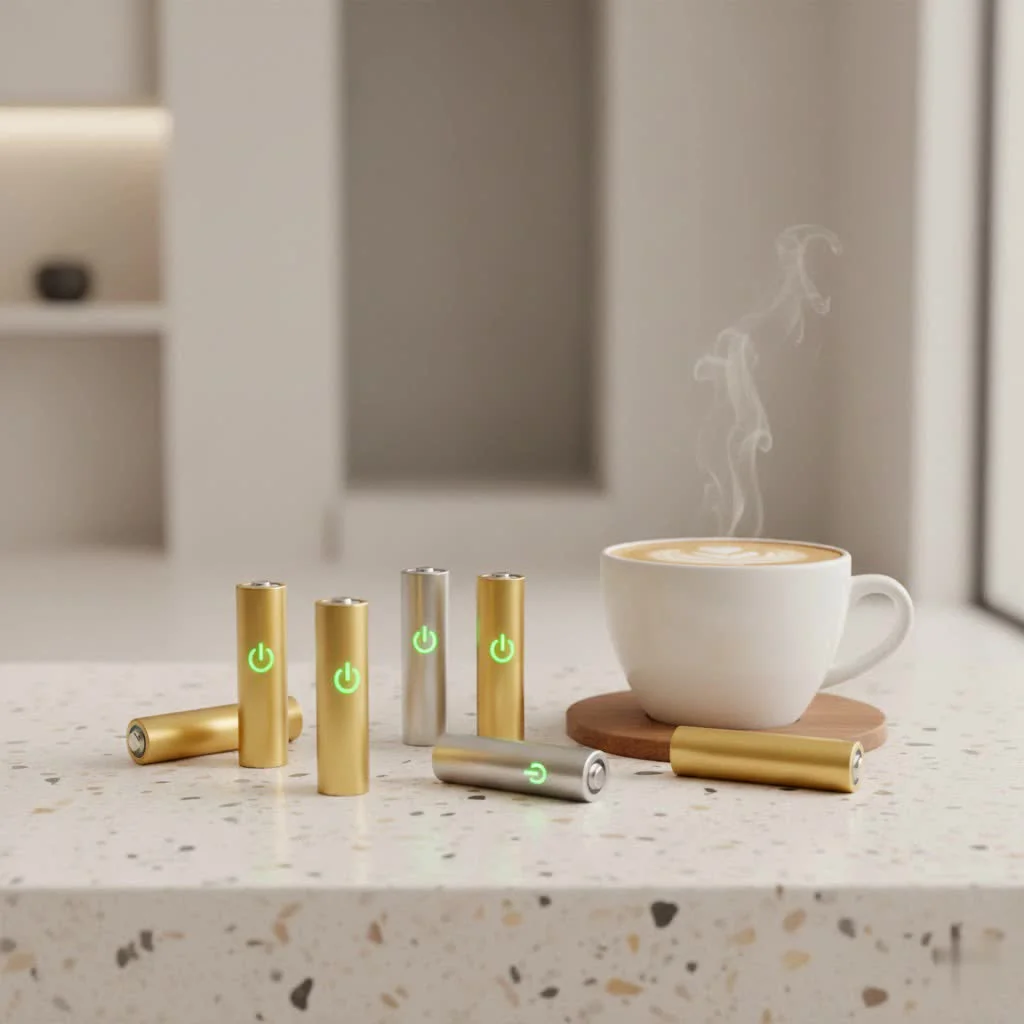
Imagine a world where you never have to scramble for fresh AA batteries again. That’s the promise of AA Nickel-Metal Hydride (NiMH) rechargeable batteries. These aren’t just any batteries; they’re a sustainable, high-performance alternative to traditional single-use cells, designed to keep your gadgets powered up and ready for action.
What Exactly Are AA NiMH Rechargeable Batteries?
At their core, AA NiMH rechargeable batteries are miniature powerhouses that leverage sophisticated chemistry to store and deliver electrical energy. The “NiMH” stands for Nickel-Metal Hydride, referring to the key materials inside: a positive electrode made of nickel oxyhydroxide and a negative electrode composed of a special hydrogen-absorbing metal alloy. When you charge these batteries, a reversible chemical reaction occurs, storing energy. When you use them, this reaction reverses, releasing electrons and powering your device.
Unlike their 1.5-volt alkaline cousins, AA NiMH batteries typically operate at a nominal voltage of 1.2 volts. Don’t let that slightly lower number fool you; modern electronics are almost universally designed to function perfectly within this range, providing consistent power throughout their discharge cycle. This means fewer interruptions and more reliable performance for your high-drain devices.
Why Choose AA NiMH? The Benefits You Can’t Ignore
It’s easy to see why AA NiMH rechargeable batteries have become a favorite for tech enthusiasts and everyday users alike. Their advantages are compelling:
Eco-Friendly and Cost-Effective in the Long Run
This is a huge one! Think about how many disposable AA batteries you’ve tossed in the trash over the years. AA NiMH rechargeable batteries can be recharged hundreds, often over a thousand times, significantly reducing waste and your environmental footprint. From a cost perspective, while the initial investment for quality AA NiMH rechargeable batteries and a good charger might be slightly higher, the long-term savings are substantial. You’ll recoup your investment many times over by not constantly buying new batteries.
High Capacity and Consistent Power for Your Devices
AA NiMH batteries offer impressive capacity, typically ranging from 2000mAh to 2800mAh for standard AA sizes, sometimes even more. This means longer runtimes for your devices, whether it’s a power-hungry digital camera, a wireless gaming controller, or a kid’s favorite toy. What’s more, they deliver a stable voltage output, which is critical for devices that demand consistent power for optimal performance. You won’t experience that frustrating gradual drop-off in power that often plagues alkaline batteries.
The Magic of Low Self-Discharge (LSD NiMH)
|
Our Picks for the Best Rechargeable Batteries in 2026
As an Amazon Associate I earn from qualifying purchases.
|
||
| Num | Product | Action |
|---|---|---|
| 1 | Amazon Basics 12-Pack Rechargeable AAA NiMH Performance Batteries, 800 mAh, 1.2V, Recharge up to 1000x Times, Pre-Charged |

|
| 2 | Amazon Basics 24-Pack Rechargeable AAA NiMH Performance Batteries, 800 mAh, 1.2V, Recharge up to 1000x Times, Pre-Charged |
|
| 3 | Amazon Basics NiMh Rechargeable Batteries (4 AA & 4 AAA) with 4 Bay Battery Charger, Type A (American) Plug, Black, 8 Count |
|
| 4 | Amazon Basics 24-Pack Rechargeable AA NiMH Batteries, 2000 mAh, 1.2V, Recharge up to 1000x Times, Pre-Charged |
|
| 5 | POWEROWL Rechargeable AA and AAA Batteries with Fast Charger, High Capacity NiMH - 4 x 2800mAh AA & 4 x 1000mAh AAA |
|
| 6 | EBL AA 2300mAh (8 Pack) and AAA 1100mAh (8 Pack) Ni-MH Rechargeable Batteries and AA AAA Rechargeable Battery Charger with 2 USB Charging Ports |
|
| 7 | Amazon Basics 16-Pack Rechargeable AA NiMH Batteries, 2000 mAh, 1.2V, Recharge up to 1000x Times, Pre-Charged |
|
| 8 | EBL 16 Sets AA AAA Batteries Combo with 8PCS AA 2300mAh & 8-Pack AAA 800mAh Rechargeable Batteries |
|
| 9 | Amazon Basics 12-Pack Rechargeable AA NiMH Performance Batteries, 2000 mAh, 1.2V, Recharge up to 1000x Times, Pre-Charged |
|
| 10 | Amazon Basics 4-Bay Battery Charger for AA & AAA Rechargeable Batteries with Rechargeable AA NiMh Batteries, 4 count (Pack of 1), Type A (American) Plug, Black |
|
One of the most significant advancements in NiMH technology is the development of Low Self-Discharge (LSD) AA NiMH rechargeable batteries. Older NiMH cells had a noticeable self-discharge rate, meaning they’d lose a significant portion of their charge just sitting on the shelf. LSD NiMH batteries, like the popular Panasonic Eneloops, dramatically reduce this issue, retaining up to 70-85% of their charge even after a year of storage. This makes them perfect for devices you don’t use every day, ensuring they’re ready when you need them.
Durability and Cycle Life You Can Count On
Quality AA NiMH rechargeable batteries are built to last. With proper care, they can endure 500 to well over 1000 charge cycles. This robust cycle life is a testament to their engineering and provides incredible value, making them a reliable power source for years.
Navigating the Downsides: What to Be Aware Of
While AA NiMH rechargeable batteries are fantastic, it’s my job as an engineer to give you the full picture. There are a few characteristics to keep in mind:
The 1.2V vs. 1.5V Debate
As mentioned, AA NiMH batteries have a nominal voltage of 1.2V, compared to the 1.5V of fresh alkaline batteries. While most modern electronics are designed to operate efficiently with 1.2V, some older or very voltage-sensitive devices might behave differently. However, the consistent 1.2V of a NiMH battery often outperforms the quickly dropping voltage of an alkaline, even if the alkaline starts higher.
A Bit Heavier Than Their Lithium Cousins
If weight is an absolute premium – say, for ultra-light camping gear – AA NiMH rechargeable batteries can be slightly heavier than non-rechargeable lithium AA batteries or 1.5V rechargeable lithium-ion AAs. For most everyday applications, this difference is negligible.
The Fabled “Memory Effect” (and why it’s mostly a myth for NiMH)
You might have heard about the “memory effect” with rechargeable batteries. This was a real issue with older Nickel-Cadmium (NiCd) batteries, where repeatedly recharging a partially drained battery could cause it to “remember” the shallower discharge point and lose capacity. Good news: modern AA NiMH rechargeable batteries are far less susceptible to this. While extreme, repetitive shallow discharges can theoretically lead to a slight reduction in capacity over a very long time, it’s generally not something you need to worry about with normal usage. If you’re concerned, simply “exercise” your batteries every few months by fully discharging them and then recharging them.
Choosing the Right AA NiMH Batteries for Your Devices
Selecting the perfect AA NiMH rechargeable batteries involves a few key considerations to match them to your needs.
Capacity (mAh): More Isn’t Always Necessarily Better
Capacity, measured in milliampere-hours (mAh), tells you how much energy a battery can store. For high-drain devices like digital cameras or high-performance flashlights, look for higher capacities, typically 2000mAh or above. However, for low-drain devices like TV remotes or wall clocks, an ultra-high capacity might not be necessary, and often batteries with slightly lower capacities can offer a longer overall cycle life. It’s about balance.
Low Self-Discharge (LSD) vs. Standard NiMH
This is a critical distinction. For devices that sit unused for weeks or months (think emergency flashlights, remote controls, wireless keyboards), LSD AA NiMH rechargeable batteries are the clear winner. They come pre-charged and hold their charge much longer. For devices you use daily or weekly (e.g., toys, gaming controllers), standard high-capacity NiMH can still be a great choice, especially if you recharge them frequently.
Cycle Life and Longevity
Always check the manufacturer’s stated cycle life. Quality AA NiMH batteries will boast 500 to 1000+ charge cycles. This number is a good indicator of how many times you can expect to recharge and reuse the battery before its performance significantly degrades.
Brand Reputation and Certifications
Stick with reputable brands like Panasonic (Eneloop), Duracell, Energizer, or Amazon Basics. These brands often offer superior consistency, reliable performance, and adhere to safety standards. Look for certifications like CE and RoHS, which indicate compliance with health, safety, and environmental protection standards.
Charger Compatibility
This is paramount! Always use a charger specifically designed for NiMH batteries. A mismatched charger can damage your batteries, reduce their lifespan, or even pose a safety risk. A good smart charger is an investment that pays dividends in battery health.
Mastering the Charge: Best Practices for AA NiMH Batteries
Proper charging is the secret sauce to maximizing the lifespan and performance of your AA NiMH rechargeable batteries.
The Importance of Smart Chargers
Forget those old “dumb” chargers that just pump current for a fixed time. A smart charger is a must-have. These sophisticated devices have microprocessors that monitor the battery’s voltage and temperature, automatically shutting off when charging is complete. This prevents overcharging, which is a leading cause of premature battery degradation and can lead to overheating. Some even have “refresh” modes to help recondition older batteries.
Optimal Charging Rates
For most AA NiMH rechargeable batteries, a gentle charging rate between 0.3C and 0.5C is ideal. The “C-rate” refers to the charging current in relation to the battery’s capacity (e.g., for a 2000mAh battery, 0.5C would be 1000mA or 1A). A slower charge (like C/10, or 200mA for a 2000mAh battery) might take longer (around 15 hours for a full charge), but it’s often the safest method, especially if your charger lacks advanced termination features. While some chargers offer faster rates, a more moderate pace puts less stress on the battery’s internal chemistry, extending its overall lifespan.
Temperature Matters
Always charge your AA NiMH rechargeable batteries at room temperature. Extreme heat or cold during charging can negatively impact performance and lifespan. If a battery has just been used in a high-drain device, let it cool down for 20-30 minutes before placing it on the charger. Similarly, give it a few minutes to cool after charging before putting it back into a device.
Avoiding Overcharging and Deep Discharge (Mostly)
With a smart charger, overcharging isn’t a concern. For deep discharge, while modern NiMH batteries are resistant to the memory effect, it’s still generally a good practice to recharge them before they’re completely depleted. However, don’t feel obligated to fully drain them every time; topping them off is perfectly fine.
Safety First: Handling and Storing Your NiMH Batteries
Safety is always paramount when dealing with any power source. Here are some essential guidelines:
General Safety Tips
- Use the Right Charger: As repeatedly emphasized, a NiMH-specific smart charger is non-negotiable.
- Monitor for Overheating: While slight warmth during charging is normal, if your batteries become excessively hot or emit a strange odor, immediately stop charging and remove them from the charger.
- Inspect for Damage: Never use batteries that are visibly damaged (e.g., bulging, leaking, torn wrapper).
- Keep Away from Water and Metal: Prevent short circuits by keeping batteries dry and away from loose metal objects like coins or keys.
Proper Storage
When not in use, store your AA NiMH rechargeable batteries in a cool, dry place. Avoid direct sunlight or extreme temperatures, which can accelerate self-discharge and degrade performance. For long-term storage (several months or more), it’s best to charge them to about 50-70% capacity and then top them off every few months if they’re not LSD types.
Recycling NiMH Batteries
Even rechargeable batteries eventually reach the end of their useful life. AA NiMH batteries contain valuable materials that can be recycled. They are also much more environmentally friendly than NiCd batteries because they do not contain toxic cadmium. Never throw them in the regular trash. Look for local battery recycling programs or drop-off points (often found at electronics stores or waste management facilities) to ensure they are disposed of responsibly.
NiMH vs. The Competition: A Quick Comparison
Understanding where AA NiMH rechargeable batteries stand against other common AA battery types can help you make informed decisions.
NiMH vs. Alkaline
- Alkaline: Cheap upfront, 1.5V nominal (but voltage drops quickly under load), not rechargeable, significant waste. Best for very low-drain, infrequent use where consistency isn’t critical (e.g., clocks, very simple remotes).
- AA NiMH Rechargeable Batteries: Higher initial cost, 1.2V nominal (consistent output), rechargeable hundreds of times, eco-friendly. Ideal for moderate to high-drain devices, frequent use, and cost savings over time.
NiMH vs. NiCd (Nickel-Cadmium)
NiCd batteries are largely obsolete due to their toxic cadmium content and pronounced “memory effect.” NiMH batteries offer higher energy density, are cadmium-free (making them more environmentally friendly), and are far less prone to the memory effect. Simply put, NiMH is a superior and safer alternative.
NiMH vs. Lithium-ion (Rechargeable 1.5V AA)
This is where things get interesting, especially with newer 1.5V rechargeable Li-ion AA batteries.
- Lithium-ion AA: Often lighter, can offer a consistent 1.5V output (matching alkaline), very low self-discharge, and sometimes higher energy density. They can be more expensive and typically require proprietary chargers. While generally safe, Li-ion can have a higher risk of thermal runaway if damaged or improperly charged compared to NiMH.
- AA NiMH Rechargeable Batteries: More affordable, widely compatible with existing AA devices and NiMH chargers, generally considered very safe, and excellent for many high-drain applications that tolerate 1.2V. They represent a balanced choice for performance, cost, and safety.
Expert Insights: A Word from Kiedl
“In my experience, AA NiMH rechargeable batteries are the unsung heroes of portable power,” says Dr. Anya Sharma, Lead Battery Chemist at Kiedl Labs. “Their blend of reliability, environmental responsibility, and cost-effectiveness makes them an indispensable choice for a vast array of consumer electronics. The advancements in low self-discharge technology have truly elevated their convenience, making them a go-to solution for virtually any household or professional gadget.”
FAQ: Your Burning Questions Answered
Do AA NiMH batteries have a memory effect?
While older NiCd batteries suffered significantly from the “memory effect,” modern AA NiMH rechargeable batteries are largely resistant to it. You don’t need to fully discharge them before recharging. Topping them off is fine, but occasionally performing a full discharge/recharge cycle (an “exercise” cycle) with a smart charger can help maintain their optimal capacity over a long time.
Can I use a regular alkaline charger for NiMH batteries?
Absolutely not. Chargers designed for alkaline batteries are typically not suitable for NiMH batteries and can damage them, lead to overheating, or prevent them from charging correctly. Always use a smart charger specifically designed for NiMH chemistry.
How long do AA NiMH batteries typically last?
With proper care and charging practices, a good quality AA NiMH rechargeable battery can last for 500 to over 1000 charge cycles, providing years of reliable service. Factors like extreme temperatures, frequent deep discharges (if not exercised), and using incompatible chargers can shorten their lifespan.
What does “Low Self-Discharge” (LSD) mean for NiMH batteries?
LSD NiMH batteries are engineered to retain their charge for much longer periods when not in use, compared to traditional NiMH cells. This means they come pre-charged and are ready to go even after months or a year in storage, making them ideal for emergency devices or gadgets used infrequently.
Is 1.2V enough for devices designed for 1.5V alkaline batteries?
Yes, for the vast majority of modern devices, 1.2V NiMH batteries are perfectly adequate and will perform reliably. While alkaline batteries start at 1.5V, their voltage quickly drops under load. NiMH batteries, however, maintain a more consistent 1.2V throughout their discharge, often providing better overall performance in many applications.
Powering Your World, Responsibly
AA NiMH rechargeable batteries represent an intelligent blend of cutting-edge technology and practical benefits. They stand as a testament to our ability to choose more sustainable and efficient power sources. By understanding their principles, selecting the right type, and adhering to best charging and maintenance practices, you’re not just buying a battery – you’re investing in reliable power, long-term savings, and a healthier planet. At Kiedl, we believe in empowering you with this knowledge, ensuring you can confidently choose, use, and care for your rechargeable batteries, optimizing your experience and championing a greener future.
Get our weekly buyer guide
Practical specs, not advice. Unsubscribe anytime.