As an electronics engineer with over a decade in the trenches of rechargeable battery R&D, I’ve witnessed countless innovations. Yet, few have blended convenience, performance, and sustainability as seamlessly as type C rechargeable batteries. Gone are the days of fumbling for proprietary chargers or wondering if you have the right adapter. These versatile power cells are quickly becoming the go-to choice for anyone looking to power their devices efficiently and responsibly.
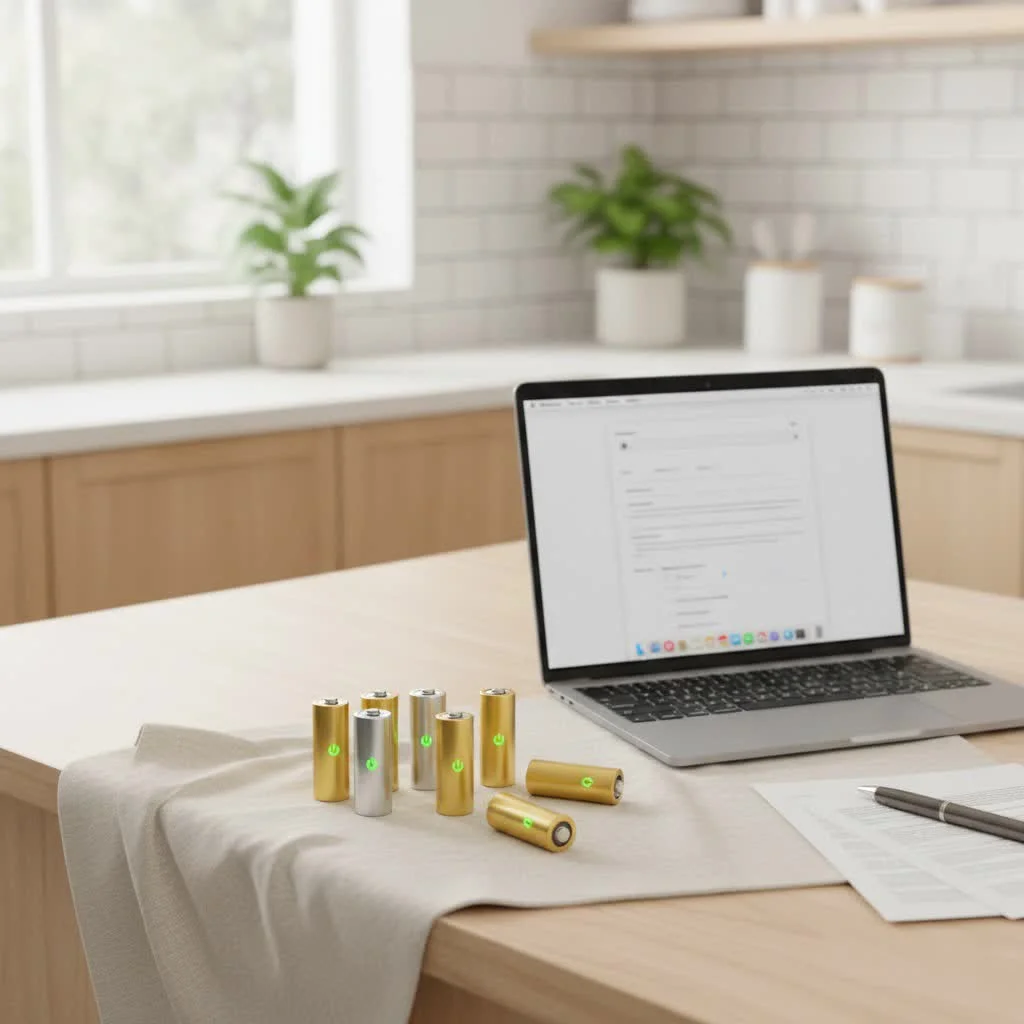
At Kiedl.com, we believe in empowering our readers with knowledge. This deep dive into type C rechargeable batteries will explore everything from their core technology to best practices for use, care, and recycling, helping you confidently integrate them into your daily life.
Why Type C? The Ultimate Convenience Upgrade
In our increasingly connected world, USB-C has emerged as the universal connector, powering everything from smartphones to laptops. It was only a matter of time before this ubiquitous standard found its way into our everyday batteries. The advent of type C rechargeable batteries means a significant leap in user convenience.
Why should I choose Type C rechargeable batteries?
You should choose type C rechargeable batteries for their unparalleled convenience and versatility. Imagine charging your batteries with the same cable you use for your phone or tablet. No more dedicated battery cradles or bulky chargers cluttering your space. Many of these innovative cells feature a direct USB-C port on the battery itself, allowing you to plug them in almost anywhere. This universal compatibility simplifies your charging routine and makes them perfect for home, travel, or on-the-go charging needs.
Beyond Convenience: Understanding Type C Rechargeable Battery Technology
While the ease of charging is a major draw, the technology underpinning type C rechargeable batteries is equally impressive, particularly the common use of Lithium-Ion chemistry.
Lithium-Ion: The Powerhouse Behind Type C
Many modern type C rechargeable batteries leverage advanced Lithium-Ion (Li-ion) chemistry. This is a crucial distinction. Unlike traditional NiMH (Nickel-Metal Hydride) batteries, which start at a higher voltage (around 1.4V) and gradually drop as they discharge, Li-ion type C batteries often incorporate intelligent circuitry to provide a constant 1.5V output throughout their discharge cycle. This stable voltage is critical for high-drain devices like digital cameras, game controllers, and smart home gadgets, ensuring consistent performance until the very end.
Li-ion batteries also boast a higher energy density, meaning they can store more power in a smaller, lighter package. This translates to longer runtimes for your devices without adding extra bulk.
Comparing with Traditional NiMH
|
Our Picks for the Best Rechargeable Batteries in 2026
As an Amazon Associate I earn from qualifying purchases.
|
||
| Num | Product | Action |
|---|---|---|
| 1 | Amazon Basics 12-Pack Rechargeable AAA NiMH Performance Batteries, 800 mAh, 1.2V, Recharge up to 1000x Times, Pre-Charged |

|
| 2 | POWEROWL Rechargeable AA and AAA Batteries with Fast Charger, High Capacity NiMH - 4 x 2800mAh AA & 4 x 1000mAh AAA |
|
| 3 | EBL AA 2300mAh (8 Pack) and AAA 1100mAh (8 Pack) Ni-MH Rechargeable Batteries and AA AAA Rechargeable Battery Charger with 2 USB Charging Ports |
|
| 4 | Amazon Basics 4-Bay Battery Charger for AA & AAA Rechargeable Batteries with Rechargeable AA NiMh Batteries, 4 count (Pack of 1), Type A (American) Plug, Black |
|
| 5 | EBL 16 Sets AA AAA Batteries Combo with 8PCS AA 2300mAh & 8-Pack AAA 800mAh Rechargeable Batteries |
|
| 6 | Amazon Basics 16-Pack Rechargeable AA NiMH Batteries, 2000 mAh, 1.2V, Recharge up to 1000x Times, Pre-Charged |
|
| 7 | Amazon Basics 24-Pack Rechargeable AA NiMH Batteries, 2000 mAh, 1.2V, Recharge up to 1000x Times, Pre-Charged |
|
| 8 | Amazon Basics 12-Pack Rechargeable AA NiMH Performance Batteries, 2000 mAh, 1.2V, Recharge up to 1000x Times, Pre-Charged |
|
| 9 | Amazon Basics 24-Pack Rechargeable AAA NiMH Performance Batteries, 800 mAh, 1.2V, Recharge up to 1000x Times, Pre-Charged |
|
| 10 | Amazon Basics NiMh Rechargeable Batteries (4 AA & 4 AAA) with 4 Bay Battery Charger, Type A (American) Plug, Black, 8 Count |
|
While NiMH batteries have served us well for years, their inherent characteristics, like a gradually declining voltage and a tendency towards self-discharge, can sometimes limit performance in certain applications. NiMH batteries are also susceptible to the “memory effect” if not fully discharged before recharging, though this is less common in modern cells. Type C rechargeable batteries, particularly those with Li-ion chemistry, overcome these limitations by offering stable voltage output and significantly lower self-discharge rates, ensuring they hold their charge longer even when not in use.
What are the key technical advantages of Type C rechargeable batteries?
The key technical advantages of type C rechargeable batteries, especially Li-ion variants, include their stable 1.5V output, which provides consistent device performance, and their higher energy density, leading to longer operating times. They also benefit from lower self-discharge rates compared to older chemistries, meaning they retain their charge for extended periods when stored or in dormant devices.
Deciphering the Specs: What to Look for in Type C Rechargeable Batteries
Choosing the right type C rechargeable batteries means understanding a few key specifications. These numbers aren’t just jargon; they tell you how well a battery will perform for your specific needs.
Capacity (mAh/Wh): Power That Lasts
Capacity, typically measured in milliampere-hours (mAh) or Watt-hours (Wh), indicates how much energy a battery can store. A higher mAh or Wh rating means your battery can power a device for a longer duration between charges. For C-sized batteries, you’ll often see capacities ranging from 3,000 mAh to over 5,000 mAh, or around 5.5 Watt-hours for Li-ion models. Always consider the power demands of your devices when selecting capacity.
Voltage: The Steady 1.5V Advantage
As mentioned, many Li-ion type C rechargeable batteries maintain a constant 1.5V output. This is a significant improvement over the variable voltage of NiMH batteries (which typically operate at 1.2V and decrease). Devices designed for alkaline batteries (also 1.5V) often perform optimally with this consistent voltage, preventing issues like dimming lights or unresponsive controls.
Cycle Rating: A Thousand Lifetimes
The cycle rating tells you how many times a battery can be recharged and discharged before its capacity significantly degrades. Good quality type C rechargeable batteries often boast ratings of 500 to over 1,000 charge cycles. A higher cycle rating means a longer lifespan for your battery, translating to greater value and less waste over time.
Charge Time: Fast and Efficient
The charge time for type C rechargeable batteries can vary, but many are designed for rapid charging. You’ll find models that can go from empty to full in under four hours using a standard USB-C connection. This quick turnaround is perfect for busy households or professional use, minimizing downtime for your devices.
How do I choose the right Type C rechargeable battery?
To choose the right type C rechargeable battery, focus on its capacity (mAh or Wh) for longer runtimes, ensure it offers a stable 1.5V output for consistent device performance, and look for a high cycle rating (500-1000+ cycles) to guarantee a long lifespan. Additionally, consider the advertised charge time for convenience.
Mastering the Charge: Maximizing Your Type C Battery’s Lifespan
Proper charging is paramount to getting the most out of your type C rechargeable batteries. While their built-in intelligence simplifies the process, a few best practices can help extend their life and ensure safety.
What’s the best way to charge Type C rechargeable batteries?
The best way to charge type C rechargeable batteries is to use a high-quality USB-C cable and a compatible power adapter. Many come with integrated safety circuits that prevent overcharging, so you don’t typically need to worry about immediately removing them once full. Always charge them in a well-ventilated area and avoid extreme temperatures, as these can impact battery health.
Use the provided USB-C cable, or a certified equivalent, to connect your batteries to a power source. Most standard USB wall adapters (like those for smartphones) will work perfectly. The integrated safety circuits within these batteries are designed to protect against overcharging, overheating, and short circuits, offering peace of mind. However, it’s always wise to charge in a visible, well-ventilated area and avoid leaving batteries charging unattended for excessively long periods.
Safety First: Using and Storing Your Type C Rechargeable Batteries
As with any power source, responsible usage and storage of type C rechargeable batteries are crucial. These batteries are engineered with multiple layers of protection, but user vigilance is still key.
Modern type C rechargeable batteries include robust multi-layered safety systems. These typically feature built-in overcharge and undercharge protection, thermal regulation to prevent overheating, and short-circuit control. This comprehensive design ensures your devices are protected, whether you’re powering a high-drain gadget or simply topping off the charge.
To ensure longevity and safety, store your type C rechargeable batteries in a cool, dry place, away from direct sunlight or extreme temperatures. Avoid storing them fully depleted or fully charged for extended periods; aim for around 50-80% charge if storing long-term. Also, prevent physical damage to the battery casing, as this can compromise its internal safety features.
Are Type C rechargeable batteries safe?
Yes, type C rechargeable batteries are generally safe, thanks to their integrated multi-layered safety systems that include protection against overcharge, undercharge, short circuits, and overheating. However, like all batteries, they should be handled with care, stored properly, and physical damage should be avoided to maintain their integrity.
The Green Choice: Recycling Type C Rechargeable Batteries
Choosing type C rechargeable batteries is not just about convenience; it’s also a conscious step towards environmental sustainability. Each one you use has the potential to replace hundreds, if not thousands, of single-use alkaline batteries, significantly reducing waste.
Dr. Elara Vance, a leading researcher in sustainable energy solutions, notes, “The shift to easily rechargeable and long-lasting battery formats like Type C is crucial for minimizing electronic waste. Every reusable battery is a victory for our planet.”
Once your type C rechargeable batteries reach the end of their impressive lifespan, proper recycling is essential. They contain valuable materials that can be recovered and reused, preventing harmful substances from entering landfills.
How do I recycle Type C rechargeable batteries?
You can recycle type C rechargeable batteries by taking them to designated battery recycling centers, electronics retailers with recycling programs, or local waste management facilities that accept rechargeable batteries. Never dispose of them in regular household trash, as they require specialized processing.
FAQs about Type C Rechargeable Batteries
Q1: Do Type C rechargeable batteries last longer than alkaline?
A1: Yes, in many high-drain devices, Li-ion type C rechargeable batteries can significantly outperform alkaline batteries by providing a stable voltage and higher capacity, leading to longer and more consistent performance. They also offer hundreds of recharge cycles, making them a more economical and sustainable choice over time.
Q2: Can I use any USB-C cable to charge them?
A2: Generally, yes. Most type C rechargeable batteries are designed to be charged with any standard USB-C cable. However, using a good quality, certified USB-C cable is always recommended to ensure efficient and safe charging.
Q3: Are they compatible with all devices that use C batteries?
A3: For devices designed for 1.5V alkaline or 1.2V NiMH C batteries, Li-ion type C rechargeable batteries with their constant 1.5V output are usually compatible and often perform better, especially in high-drain electronics. Always check your device’s manual if you have concerns.
Q4: What’s the shelf life of a Type C rechargeable battery?
A4: Type C rechargeable batteries, particularly Li-ion variants with their intelligent control circuits, have very low self-discharge rates. Many can retain their charge for up to 12 months when stored in a dormant device or kept properly, a significant advantage over other battery chemistries.
Q5: Is there a memory effect with Type C rechargeable batteries?
A5: No, Li-ion type C rechargeable batteries do not suffer from the “memory effect” that was sometimes associated with older NiCd batteries. You can recharge them at any state of discharge without worrying about reducing their overall capacity or lifespan.
Conclusion: Powering a Smarter, Sustainable Future
Type C rechargeable batteries represent a significant evolution in portable power. They offer an unmatched blend of convenience, high performance, and environmental responsibility, making them an intelligent choice for nearly every device in your home and on the go. By embracing these cutting-edge power cells, understanding their technology, and following simple best practices for charging and care, you’re not just extending the life of your gadgets; you’re also contributing to a more sustainable future.
The journey towards reducing waste and optimizing our energy consumption starts with smart choices. Make the switch to type C rechargeable batteries and experience the power of innovation, right at your fingertips.
Get our weekly buyer guide
Practical specs, not advice. Unsubscribe anytime.