The best rechargeable AA batteries with charger offer significant cost savings and environmental benefits, with top NiMH options providing 2500mAh capacity and over 500 recharges. These systems are ideal for powering everyday electronics, reducing waste, and ensuring consistent device performance. Investing in a quality set can replace hundreds of disposable batteries over its lifespan.
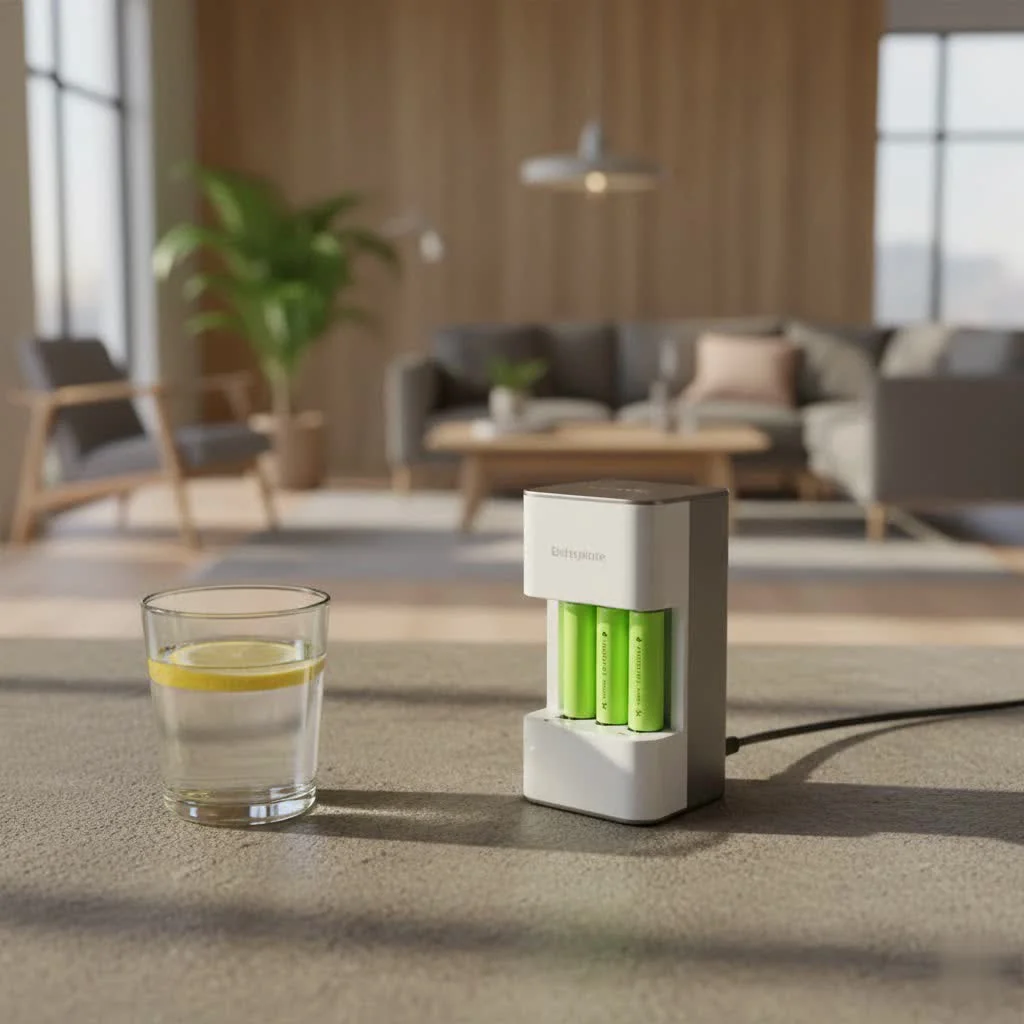
Why Make the Switch? The Unbeatable Advantages of Rechargeable AA Batteries
Think about all the gadgets running on AA batteries: remote controls, wireless mice, game controllers, digital cameras, toys, and even some smart home devices. The cumulative cost of alkaline disposables can be astonishing. But beyond the immediate financial relief, opting for a quality set of rechargeable AA batteries with charger brings a host of benefits. For shop curated rechargeable batteries on this site.
Firstly, the cost savings are substantial in the long run. While the initial investment might be slightly higher, a good set of rechargeable AA batteries can be powered up hundreds, even thousands, of times. Imagine how many disposable batteries that replaces! Secondly, there’s a significant environmental impact to consider. Every rechargeable battery used means one less alkaline battery ending up in a landfill, reducing waste and the consumption of raw materials. It’s a simple, yet powerful, step towards sustainability. Lastly, modern rechargeable AA batteries, especially those with advanced charging systems, offer reliable and consistent performance, often outperforming alkalines in high-drain devices. They maintain a more stable voltage throughout their discharge cycle, ensuring your devices run smoothly until the very end.
Deciphering Your Options: Types of Rechargeable AA Batteries
When you’re searching for the best rechargeable AA batteries with charger, you’ll primarily encounter two main chemistries dominating the market: Nickel-Metal Hydride (NiMH) and the increasingly popular Lithium-ion (Li-ion) AA. Understanding their differences is key to choosing the right power for your needs.
Nickel-Metal Hydride (NiMH) – The Proven Workhorse
NiMH batteries work by storing hydrogen in a special metal alloy during charging and releasing it through an electrochemical reaction during discharge to produce electricity.
What’s great about NiMH? They boast high energy density, meaning they pack a lot of power into a compact AA size. They offer a commendable cycle life, often allowing for 500 to over 2000 recharges, depending on the specific battery type. Many modern NiMH batteries, often labeled as “low self-discharge” (LSD NiMH), are pre-charged and retain their charge for extended periods, even when stored, eliminating the frustration of picking up a battery only to find it dead. They are also widely compatible with most devices designed for AA batteries.
Any drawbacks? NiMH batteries typically have a nominal voltage of 1.2V, compared to alkaline’s 1.5V. While most electronic devices are designed to handle this slight voltage difference, some very voltage-sensitive gadgets might perform sub-optimally. They also have a natural self-discharge rate, though as mentioned, LSD versions have significantly minimized this.
Lithium-ion (Li-ion) AA – The New Contender
|
Our Picks for the Best Rechargeable Batteries in 2026
As an Amazon Associate I earn from qualifying purchases.
|
||
| Num | Product | Action |
|---|---|---|
| 1 | Amazon Basics NiMh Rechargeable Batteries (4 AA & 4 AAA) with 4 Bay Battery Charger, Type A (American) Plug, Black, 8 Count |

|
| 2 | Amazon Basics 24-Pack Rechargeable AAA NiMH Performance Batteries, 800 mAh, 1.2V, Recharge up to 1000x Times, Pre-Charged |
|
| 3 | EBL AA 2300mAh (8 Pack) and AAA 1100mAh (8 Pack) Ni-MH Rechargeable Batteries and AA AAA Rechargeable Battery Charger with 2 USB Charging Ports |
|
| 4 | Amazon Basics 24-Pack Rechargeable AA NiMH Batteries, 2000 mAh, 1.2V, Recharge up to 1000x Times, Pre-Charged |
|
| 5 | Amazon Basics 12-Pack Rechargeable AAA NiMH Performance Batteries, 800 mAh, 1.2V, Recharge up to 1000x Times, Pre-Charged |
|
| 6 | Amazon Basics 12-Pack Rechargeable AA NiMH Performance Batteries, 2000 mAh, 1.2V, Recharge up to 1000x Times, Pre-Charged |
|
| 7 | EBL 16 Sets AA AAA Batteries Combo with 8PCS AA 2300mAh & 8-Pack AAA 800mAh Rechargeable Batteries |
|
| 8 | Amazon Basics 4-Bay Battery Charger for AA & AAA Rechargeable Batteries with Rechargeable AA NiMh Batteries, 4 count (Pack of 1), Type A (American) Plug, Black |
|
| 9 | Amazon Basics 16-Pack Rechargeable AA NiMH Batteries, 2000 mAh, 1.2V, Recharge up to 1000x Times, Pre-Charged |
|
| 10 | POWEROWL Rechargeable AA and AAA Batteries with Fast Charger, High Capacity NiMH - 4 x 2800mAh AA & 4 x 1000mAh AAA |
|
Emerging as a strong alternative, Li-ion AA batteries are gaining traction, especially for specific applications.
What makes Li-ion AA stand out? The most significant advantage is their constant 1.5V output, mirroring traditional alkaline batteries. This makes them ideal for voltage-sensitive devices that might struggle with NiMH’s 1.2V. They often offer a higher energy density, measured in milliwatt-hours (mWh) rather than milliamp-hours (mAh), which means more power in the same footprint. They also tend to charge faster.
What’s the catch? Li-ion AA batteries typically require specialized chargers that are specifically designed for their chemistry, so you can’t just use your old NiMH charger. They also tend to be more expensive upfront, though their performance in specific high-drain, constant-voltage devices can justify the cost.
What to Look For: Key Factors When Choosing Your Set
Selecting the best rechargeable AA batteries with charger involves more than just picking a brand. It’s about understanding the specifications and features that truly matter for your devices and usage patterns.
Capacity (mAh/mWh): The Fuel Tank Size
Battery capacity, usually measured in milliampere-hours (mAh) for NiMH or milliwatt-hours (mWh) for Li-ion, tells you how much energy the battery can store and deliver. Simply put, a higher number generally means a longer runtime for your device before needing a recharge.
For low-drain devices like TV remotes or wall clocks, batteries around 1000-1500 mAh will work perfectly fine. But for high-drain devices such as digital cameras, wireless gaming controllers, or powerful flashlights, you’ll want batteries with a higher capacity, typically 2500 mAh or more. When it comes to Li-ion AA, look for mWh ratings of 2500mWh to 3500mWh, which often translates to excellent performance in demanding applications.
Cycle Life: How Many Second Chances?
Cycle life refers to the number of times a battery can be recharged and discharged before its capacity significantly degrades. Some batteries offer 500 charge cycles, while others boast 2000 or even more. If you use batteries frequently, a higher cycle life means your investment will last longer, saving you from frequent replacements.
Charger Intelligence: More Than Just a Power Plug
The charger you pair with your batteries is just as important as the batteries themselves. A “smart charger” is a major upgrade. These intelligent devices often feature:
- Individual Cell Charging: This allows each battery to be charged independently, ensuring optimal charging for each cell and preventing under- or overcharging.
- Overcharge Protection: This critical safety feature automatically stops charging once a battery is full, preventing damage, overheating, and extending battery lifespan.
- Trickle Charge: After a full charge, some smart chargers switch to a low-current trickle charge to maintain the battery’s full capacity without overcharging.
- Temperature Monitoring: Essential for safety and longevity, smart chargers can monitor battery temperature and reduce charging current if they get too hot.
- LED/LCD Indicators: These displays provide real-time information on charging status, battery health, and sometimes even capacity.
While fast charging can be convenient, that rapid charging can generate more heat, which might, over time, slightly reduce the overall lifespan of your batteries. A good smart charger will balance speed with battery health.
Low Self-Discharge (LSD) Feature: Ready When You Are
This feature is particularly valuable for NiMH batteries. Standard NiMH batteries can lose a significant portion of their charge just sitting on a shelf. LSD NiMH batteries, like those pioneering options that hit the market years ago, are designed to retain their charge for much longer periods, even up to 70-85% after a year in storage. This means fewer surprises when you grab a battery for immediate use.
Brand Reputation: Trust in Expertise
Stick with reputable brands that have a proven track record in rechargeable battery technology. Companies known for their innovation and quality in this space often provide more reliable products, better customer support, and adhere to higher safety standards.
Top Contenders for the Best Rechargeable AA Batteries with Charger
Based on extensive research and real-world performance, the market offers fantastic options for the best rechargeable AA batteries with charger. While specific models vary, here’s what to look for:
- Overall Reliability & Performance: Look for systems that offer a balanced blend of high capacity (around 2500mAh for NiMH), excellent low self-discharge properties, and a durable charger with individual cell charging. These are often considered the industry standard for general-purpose high-performance use.
- High Capacity & High-Drain Performance: For power-hungry devices, seek out NiMH batteries with capacities pushing 2800mAh or the newer Li-ion AA options boasting 3000mWh+. These deliver sustained power for demanding applications, often paired with rapid, intelligent chargers.
- Best Value & Everyday Use: Many brands offer reliable NiMH sets with capacities in the 2000-2300mAh range that strike an excellent balance between cost and performance for everyday electronics. These often come with simpler, yet effective, chargers.
“Choosing the right rechargeable AA battery and charger combo is like tailoring a suit – it needs to fit your specific needs perfectly, from the devices you power to how frequently you use them. Don’t just grab the cheapest option; invest in quality that delivers performance and longevity.” – Dr. Elena Petrova, Lead Battery Systems Engineer at Kiedl Labs.
Maximizing Performance: Tips for Using and Caring for Your Rechargeable AA Batteries
To truly get the most out of your rechargeable AA batteries and charger, proper care is crucial.
- Initial Charge: Always fully charge new batteries before their first use. Many batteries come pre-charged, but a top-off ensures they’re at peak performance.
- Use the Right Charger: Only use the charger designed for your battery chemistry (NiMH for NiMH, Li-ion for Li-ion). Using an incompatible charger can be dangerous and damage the batteries.
- Avoid Over-Discharging (for NiMH): While modern NiMH batteries are less susceptible to the “memory effect” of older NiCd cells, it’s still best practice to avoid completely draining them before recharging.
- Optimal Storage: Store your rechargeable AA batteries in a cool, dry place, ideally at room temperature. If storing for extended periods, aim for them to be about 40-50% charged. This helps preserve their capacity and cycle life.
- Don’t Mix & Match: Avoid mixing different brands, capacities, or types of batteries within the same device. This can lead to inefficient power delivery and potential damage.
- Clean Contacts: Periodically clean the battery contacts on both the batteries and your devices with a clean cloth or eraser to ensure optimal conductivity.
Safety First: Essential Precautions with Rechargeable Batteries
While rechargeable batteries are generally safe, a few precautions can prevent issues and ensure peace of mind.
- Use the Correct Charger: As mentioned, this is paramount. An incorrect charger can lead to overheating, leakage, or even fire.
- Avoid Physical Damage: Do not puncture, crush, or disassemble batteries. If a battery appears damaged (swollen, leaking), do not use it.
- Monitor for Overheating: While charging, batteries may become slightly warm, but excessive heat is a sign of a problem. If batteries get very hot, discontinue charging immediately.
- Keep Away from Water and Metal: Avoid exposing batteries to moisture or short-circuiting them with metal objects.
The Green Choice: Responsible Recycling of Rechargeable AA Batteries
One of the greatest advantages of rechargeable batteries is their sustainability. However, even the best rechargeable AA batteries eventually reach the end of their useful life. When they do, it’s crucial to recycle them properly. Rechargeable batteries contain valuable materials that can be reused and chemicals that should not end up in landfills. Many retail stores, electronics recycling centers, and local municipal waste facilities offer battery drop-off points. A quick online search for “battery recycling near me” will guide you to convenient options. By recycling, you close the loop on responsible energy consumption.
Frequently Asked Questions (FAQ)
Are rechargeable AA batteries worth it in the long run?
Absolutely! While the initial cost for the best rechargeable AA batteries with charger is higher, they typically pay for themselves within a year or two, depending on your usage. Considering they can be recharged hundreds of times, the long-term savings and environmental benefits are significant.
Can I use a NiMH charger for Li-ion AA batteries?
No, definitively not. NiMH and Li-ion batteries have different chemical compositions and charging requirements. Using an incompatible charger can be extremely dangerous, potentially leading to overheating, fire, or battery damage. Always use the specific charger recommended for your battery chemistry.
How long do rechargeable AA batteries last per charge?
The runtime per charge depends on the battery’s capacity (mAh/mWh) and the power demands of the device. A higher capacity battery will generally last longer in the same device. For instance, a 2800mAh NiMH battery will power a high-drain device significantly longer than a 1500mAh one.
What does “low self-discharge” mean for rechargeable AA batteries?
Low self-discharge (LSD) means the battery retains its charge for much longer when not in use compared to older rechargeable technologies. LSD NiMH batteries are often pre-charged and can hold 70-85% of their charge after a year in storage, making them ready to use almost instantly.
What is the “memory effect” and does it still apply to modern rechargeable AA batteries?
The “memory effect” was a phenomenon primarily associated with older Nickel-Cadmium (NiCd) batteries, where they would “” their discharge point if repeatedly recharged before being fully depleted, leading to a reduction in usable capacity. Modern NiMH rechargeable AA batteries have significantly reduced or almost entirely eliminated this effect, so you don’t need to worry about it for practical use.
Conclusion
Making the switch to the best rechargeable AA batteries with charger is a clear win-win, offering substantial cost savings, a smaller environmental footprint, and often superior performance for your devices. By understanding the types of batteries available, key specifications like capacity and cycle life, and the importance of a smart charger, you’re empowered to make an informed decision. the vital care tips and responsible recycling practices, and you’ll ensure your investment lasts for years to come. So go ahead, embrace the power of rechargeability – your gadgets, your wallet, and our planet will thank you.
Maximize Rechargeable AA Battery Performance
Follow these steps to ensure your rechargeable AA batteries and charger deliver optimal performance and last longer.
Always fully charge new batteries before their first use. Even if batteries come pre-charged, a top-off ensures they are at peak performance and ready for optimal use.
Only use chargers specifically designed for your battery's chemistry (NiMH for NiMH, Li-ion for Li-ion). Using an incompatible charger can be dangerous, leading to damage or safety hazards.
Store your rechargeable AA batteries in a cool, dry place, ideally at room temperature. For extended storage, aim for them to be about 40-50% charged to help preserve their capacity and cycle life.
Do not mix different brands, capacities, or types of batteries within the same device. This practice can lead to inefficient power delivery, reduced performance, and potential damage to both the batteries and the device.
Periodically clean the battery contacts on both the batteries and your devices. Use a clean cloth or an eraser to ensure optimal conductivity and prevent power interruptions.
Get our weekly buyer guide
Practical specs, not advice. Unsubscribe anytime.
I got a set of these rechargeable AAs for my digital camera, hoping to save some money. While they do work, I’ve noticed they don’t quite give me the same number of shots as a fresh set of alkaline batteries. They’re fine for casual use, but for longer photo sessions, I still find myself needing to swap them out more frequently than I’d like. The charger is compact, which is a plus.
These NiMH batteries are a game-changer for my wireless mouse and keyboard. I used to go through so many disposables, but these hold a charge really well. I appreciate the environmental benefits too, knowing I’m not tossing batteries in the trash every few weeks. The charger is a bit basic, but it gets the job done reliably.
I finally made the switch to rechargeable AAs and I’m so glad I did. My kids’ toys used to eat through disposable batteries like crazy, but now I just pop these on the charger overnight. The 2500mAh capacity is fantastic; they last way longer in their remote control cars and handheld games. Definitely recommend for anyone tired of constantly buying new batteries.
I’ve been using rechargeable batteries for years, and this particular set with the charger is excellent value. The claim of over 500 recharges seems accurate so far; I’ve had mine for months and they’re still performing strong. It’s great for all my smart home devices and remote controls, ensuring everything is always powered up without constant trips to the store.