In a world increasingly driven by compact and sophisticated electronics, the humble battery often works tirelessly behind the scenes. Among these powerhouses, the AAAA battery, though tiny, is an unsung hero, especially in precision devices. If you’re using a digital stylus for your tablet, a sleek laser pointer for presentations, or even certain essential medical devices, chances are a rechargeable AAAA battery is keeping things running smoothly. This guide from Kiedl.com is designed to empower you with in-depth knowledge, ensuring you make the best choices for your devices and the planet.
What Exactly Are AAAA Batteries?
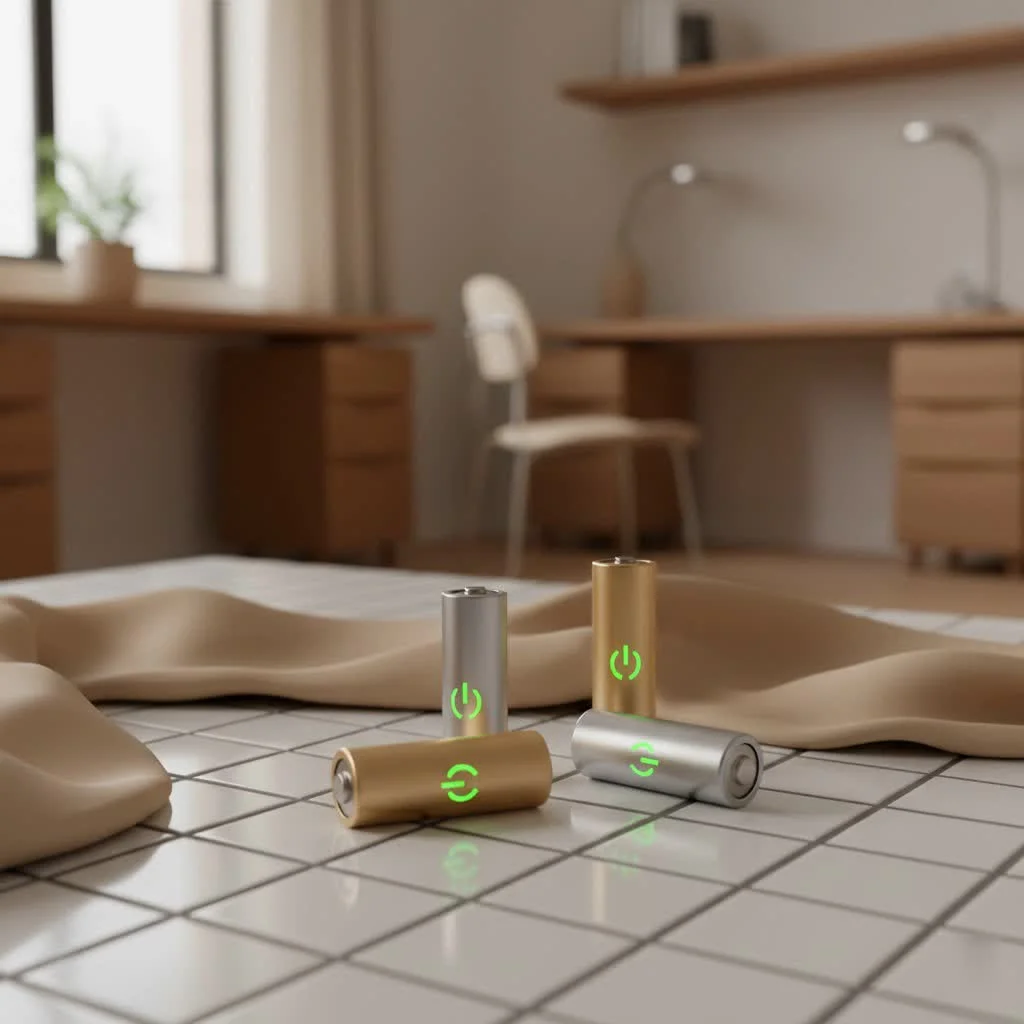
Let’s clear the air about AAAA batteries right away. Often confused with their more common AAA cousins, AAAA batteries are distinctively smaller. Imagine a slender cylinder, measuring approximately 42.5 millimeters (1.67 inches) in length and 8.3 millimeters (0.33 inches) in diameter. While standard alkaline AAAA batteries typically offer 1.5 volts, the rechargeable variants, predominantly Nickel-Metal Hydride (NiMH), usually provide a nominal voltage of 1.2 volts.
So, where do these petite power sources shine? Their compact form factor makes them indispensable for devices where space is at a premium and a consistent, albeit modest, power supply is crucial. You’ll frequently find AAAA batteries powering your Microsoft Surface Pen, bringing digital ink to life with precision. They’re also the go-to for many mini LED penlights, laser pointers, and essential medical equipment like glucose meters, where reliability in a small package is paramount. Some small headphone amplifiers and specialty remote controls also rely on AAAA batteries.
Why Choose Rechargeable AAAA Batteries?
If you’re still relying on single-use alkaline AAAA batteries, you’re missing out on a world of benefits that rechargeable options offer. It’s a game-changer for your wallet and the environment.
First and foremost, cost savings are a huge draw. While the initial investment for rechargeable AAAA batteries and a compatible charger might be slightly higher, they quickly pay for themselves. Imagine not having to constantly buy new batteries every time your stylus or glucose meter flashes a low-power warning. Over their lifespan, which can span hundreds, if not over a thousand, charge cycles, rechargeable AAAA batteries offer significant long-term value.
Beyond the financial aspect, there’s a compelling environmental advantage. Every rechargeable AAAA battery you use saves another alkaline battery from ending up in a landfill. The reduction in waste is substantial, aligning with a more sustainable lifestyle. Many modern rechargeable AAAA batteries, especially NiMH types, are designed to be eco-friendly, free from harmful heavy metals like mercury, cadmium, and lead.
Finally, there’s the sheer convenience. With a set of rechargeable AAAA batteries and a charger on hand, you’re never truly out of power. Simply swap out a drained battery for a freshly charged one, and your devices are ready to go, minimizing downtime and frustration.
The Chemistry Behind Rechargeable AAAA Power
When we talk about rechargeable AAAA batteries, we’re primarily discussing Nickel-Metal Hydride (NiMH) chemistry. This technology has become the dominant force in consumer rechargeable batteries due to its efficiency and environmental profile. NiMH cells work by converting electrical energy into chemical energy during charging, storing it in a metal hydride alloy at the negative electrode, and then releasing it as electricity during discharge.
NiMH rechargeable AAAA batteries typically offer a nominal voltage of 1.2 volts and capacities ranging from 325 mAh to 600 mAh, though 400 mAh is a common offering. What truly sets them apart is their relative safety and a lower environmental impact compared to older technologies like Nickel-Cadmium (NiCd), which contained toxic cadmium. NiMH batteries also boast a higher energy density than NiCd, allowing more power in a compact size.
While NiMH dominates, it’s worth noting that other chemistries exist. Older NiCd rechargeable AAAA batteries might still be found, but they are generally less preferred due to their “memory effect” and environmental concerns. There are also emerging Lithium-ion (Li-ion) AAAA batteries. These can offer higher energy density and a different voltage (often around 3.7V, sometimes with internal voltage regulation to 1.5V), but they are less common and typically not interchangeable with devices designed for 1.2V NiMH or 1.5V alkaline batteries unless explicitly stated by the device manufacturer. Always double-check compatibility before using Li-ion batteries in a device designed for NiMH or alkaline.
AAAA vs. AAA Batteries: Understanding the Difference
It’s a common misconception that AAAA batteries are simply a smaller version of AAAs and might even be interchangeable. Let’s set the record straight: while they share a similar cylindrical design, AAAA and AAA batteries are not the same and are generally not interchangeable.
The most obvious difference lies in their dimensions. As we’ve discussed, an AAAA battery is notably slimmer and slightly shorter, measuring around 42.5 mm in length and 8.3 mm in diameter. In contrast, a AAA battery is beefier, typically measuring 44.5 mm in length and 10.5 mm in diameter. This seemingly small difference in size has a significant impact on their capacity and the devices they can power.
Due to their larger physical volume, AAA batteries typically offer a higher energy capacity, often ranging from 500 mAh to 1200 mAh, sometimes even higher for NiMH. This is often double or more the capacity of a standard rechargeable AAAA battery. This greater capacity makes AAAs suitable for a broader range of common household electronics that demand moderate to high power, such as TV remotes, digital cameras, and many children’s toys.
“Choosing the right battery size isn’t just about fit; it’s about optimizing performance and ensuring your device receives the specific power it was engineered for,” says Dr. Elena Petrova, a leading electrochemical engineer at Kiedl Labs. “Even minor discrepancies in voltage or physical dimensions can lead to suboptimal performance or, in worst-case scenarios, damage to sensitive electronics.”
So, while a clever hack might theoretically allow an AAAA battery to fit in a AAA slot with some padding, it’s generally ill-advised and won’t deliver the intended performance. Always use the specific battery size and chemistry recommended by your device manufacturer.
Choosing the Best Rechargeable AAAA Batteries
With several brands and specifications on the market, picking the right rechargeable AAAA batteries can feel a bit daunting. Here’s what to look for to ensure you get the best fit for your needs:
- Capacity (mAh): This indicates how much energy the battery can store. For rechargeable AAAA NiMH batteries, you’ll typically see capacities ranging from 325 mAh to 600 mAh. A higher mAh rating generally means longer runtime between charges, which is excellent for frequently used devices like digital styluses. Look for batteries in the 400 mAh range or higher for a good balance of performance and value.
- Voltage: Most rechargeable AAAA batteries are NiMH, providing a nominal 1.2 volts. Ensure your device is compatible with 1.2V rechargeable batteries, as some older or specific devices might perform better with 1.5V alkalines. However, most modern electronics designed for AAAA batteries are engineered to handle the 1.2V of NiMH cells.
- Cycle Life: This refers to how many times the battery can be recharged and discharged before its capacity significantly degrades. Quality rechargeable AAAA batteries can offer 500 to over 1200 charge cycles, providing years of reliable use.
- Low Self-Discharge (LSD) Technology: This is a crucial feature for rechargeable batteries. Traditional NiMH batteries tend to lose their charge relatively quickly even when not in use. LSD NiMH batteries, however, are designed to retain their charge for much longer periods, often holding up to 70-80% of their charge after a year of storage. This means they are ready to go when you need them, without needing a fresh charge after sitting idle.
- Reputable Brands: Sticking with well-known battery manufacturers is always a good idea. Brands like EBL, Anvow, and Odec are frequently mentioned for their rechargeable AAAA NiMH offerings. These brands often adhere to stricter quality control and safety standards.
- Bundles with Chargers: Many rechargeable AAAA batteries are sold in bundles with a dedicated charger. This can be a convenient and cost-effective way to get started, ensuring you have a compatible charger from the outset.
Smart Charging Practices for Longevity
Proper charging is the bedrock of maximizing the lifespan and performance of your rechargeable AAAA batteries. Neglecting this crucial step can drastically reduce their efficiency and longevity.
Firstly, always use a charger specifically designed for NiMH batteries. Universal chargers that claim to charge any battery type might not provide the optimal charging profile for NiMH AAAA cells. A dedicated NiMH charger will regulate the current and voltage appropriately, preventing damage. Many modern chargers are “smart chargers,” capable of detecting the battery’s state, preventing overcharging, and automatically stopping the charge cycle once full.
“Overcharging is one of the quickest ways to shorten the life of any rechargeable battery,” advises Dr. Anya Sharma, a materials scientist specializing in battery degradation. “While modern NiMH cells are more forgiving than their predecessors, consistent overcharging generates excessive heat and stresses the internal chemistry, leading to irreversible capacity loss.”
Here are some best practices:
- Avoid Overcharging: Once your batteries are fully charged, remove them from the charger. Leaving them on a continuous charge for extended periods, especially with older, simpler chargers, can degrade their performance. Smart chargers with auto-shutoff features are highly recommended.
- Prevent Deep Discharge: While NiMH batteries don’t suffer from the “memory effect” as much as older NiCd cells, regularly draining them completely can still be detrimental over time. Try to recharge them before they are fully depleted.
- Understand Charging Times: The charging time depends on the battery’s capacity and the charger’s current output. A slower charge (e.g., C/10 for 16 hours) is often gentler and can contribute to a longer lifespan. Some fast chargers are available, but ensure they have temperature monitoring to prevent overheating.
- Charge in Pairs (or groups): If your charger allows, it’s often best to charge batteries of similar age and capacity together. This ensures a more balanced charge cycle.
Maximizing Your Rechargeable AAAA Battery’s Life
Beyond proper charging, a few simple habits can significantly extend the life of your rechargeable AAAA batteries, ensuring they deliver reliable power for years to come.
- Optimal Storage Conditions: When not in use, store your rechargeable AAAA batteries in a cool, dry place, away from direct sunlight and extreme temperatures. High temperatures can accelerate self-discharge and degrade battery chemistry.
- Partial Charge for Storage: For prolonged storage, it’s generally recommended to store NiMH and Li-ion batteries with approximately a 40% state of charge, not fully charged or fully depleted. This minimizes capacity loss during storage.
- Regular Use (but not constant discharge): Rechargeable batteries thrive on being used. If you have batteries that sit idle for very long periods, consider cycling them (charging and discharging them partially) every few months to keep the electrons flowing and prevent passivation of the electrodes.
- Keep Contacts Clean: Periodically inspect and clean the battery contacts on both the battery and the device. Dirt or corrosion can impede electrical flow, leading to inefficient power delivery and perceived poor battery performance. A cotton swab with a tiny amount of rubbing alcohol can do the trick.
Safety First: Handling and Responsible Recycling
Safety and responsible disposal are paramount with any battery, and rechargeable AAAA batteries are no exception. Adhering to these guidelines protects you, your devices, and the environment.
Essential Safety Precautions:
|
Our Picks for the Best Rechargeable Batteries in 2026
As an Amazon Associate I earn from qualifying purchases.
|
||
| Num | Product | Action |
|---|---|---|
| 1 | Amazon Basics 4-Bay Battery Charger for AA & AAA Rechargeable Batteries with Rechargeable AA NiMh Batteries, 4 count (Pack of 1), Type A (American) Plug, Black |

|
| 2 | EBL 16 Sets AA AAA Batteries Combo with 8PCS AA 2300mAh & 8-Pack AAA 800mAh Rechargeable Batteries |
|
| 3 | Amazon Basics 16-Pack Rechargeable AA NiMH Batteries, 2000 mAh, 1.2V, Recharge up to 1000x Times, Pre-Charged |
|
| 4 | Amazon Basics 12-Pack Rechargeable AA NiMH Performance Batteries, 2000 mAh, 1.2V, Recharge up to 1000x Times, Pre-Charged |
|
| 5 | Amazon Basics 24-Pack Rechargeable AA NiMH Batteries, 2000 mAh, 1.2V, Recharge up to 1000x Times, Pre-Charged |
|
| 6 | Amazon Basics 12-Pack Rechargeable AAA NiMH Performance Batteries, 800 mAh, 1.2V, Recharge up to 1000x Times, Pre-Charged |
|
| 7 | EBL AA 2300mAh (8 Pack) and AAA 1100mAh (8 Pack) Ni-MH Rechargeable Batteries and AA AAA Rechargeable Battery Charger with 2 USB Charging Ports |
|
| 8 | POWEROWL Rechargeable AA and AAA Batteries with Fast Charger, High Capacity NiMH - 4 x 2800mAh AA & 4 x 1000mAh AAA |
|
| 9 | Amazon Basics 24-Pack Rechargeable AAA NiMH Performance Batteries, 800 mAh, 1.2V, Recharge up to 1000x Times, Pre-Charged |
|
| 10 | Amazon Basics NiMh Rechargeable Batteries (4 AA & 4 AAA) with 4 Bay Battery Charger, Type A (American) Plug, Black, 8 Count |
|
- Never Attempt to Charge Non-Rechargeable Batteries: This is a critical rule. Standard alkaline AAAA batteries are designed for single use. Attempting to recharge them can lead to overheating, leaking, or even explosion, posing significant safety hazards. Always confirm your AAAA battery is explicitly marked “rechargeable” before placing it in a charger.
- Use the Correct Charger: As emphasized earlier, always use a charger compatible with NiMH AAAA batteries. Using an incompatible charger can damage the battery or charger.
- Inspect for Damage: Before charging or inserting a battery, quickly check for any physical damage like swelling, leaks, or exposed wiring. Damaged batteries should be immediately and safely disposed of.
- Avoid Short Circuits: Do not carry loose batteries in pockets or bags where they can come into contact with metal objects (keys, coins), which can cause a short circuit, leading to heat generation and potential fire.
- Keep Out of Reach of Children: Batteries, especially small AAAA ones, can be a choking hazard for young children. Store them securely.
Responsible Recycling:
Even rechargeable batteries eventually reach the end of their useful life. When they do, it’s crucial to recycle them properly.
- Do Not Dispose of in Household Trash: Rechargeable batteries, including NiMH AAAA cells, contain materials that can be harmful to the environment if sent to landfills.
- Find Recycling Points: Many electronics stores, hardware stores, and community recycling centers offer battery drop-off points. Websites like Call2Recycle or local municipal waste management sites can help you locate the nearest recycling facility.
- Eco-Friendly Choice: The good news is that NiMH batteries are considered an environmentally friendlier rechargeable option, as they do not contain the toxic heavy metals found in older battery chemistries. By choosing rechargeable AAAA batteries and recycling them responsibly, you’re making a positive impact on our planet.
Frequently Asked Questions about Rechargeable AAAA Batteries
Got more questions? We’ve got answers!
Q: How long do rechargeable AAAA batteries typically last per charge?
A: The runtime per charge depends heavily on the battery’s capacity (mAh) and the power demands of your device. For a 400 mAh rechargeable AAAA battery, in a low-drain device like a digital stylus, you might get several days to a few weeks of use. High-drain applications will naturally deplete them faster.
Q: Can I use a charger designed for AAA batteries for my AAAA batteries?
A: It depends on the charger. Many multi-slot battery chargers are designed to accommodate both AAA and AA sizes. Some advanced universal chargers may have specific slots or adjustable contacts for AAAA batteries. Always check your charger’s manual for explicit AAAA compatibility to ensure safe and effective charging.
Q: What’s the average lifespan (in cycles) of a rechargeable AAAA battery?
A: Quality rechargeable AAAA NiMH batteries can last for a substantial number of charge cycles, often ranging from 500 to 1200 cycles. This means that with proper care, a single rechargeable AAAA battery can replace hundreds of disposable ones over its lifetime.
Q: Are there any high-performance rechargeable AAAA options?
A: Yes, many reputable brands offer high-performance rechargeable AAAA NiMH batteries. Look for those with higher mAh ratings (e.g., 400 mAh and above) and “low self-discharge” (LSD) technology, which helps them retain power longer when not in use. These features provide a more consistent and lasting power supply for demanding devices.
Q: What are the environmental benefits of using rechargeable AAAA batteries?
A: The primary environmental benefit is a significant reduction in waste. By recharging batteries hundreds of times, fewer disposable batteries end up in landfills, mitigating the impact of their manufacturing and disposal. Additionally, most modern NiMH rechargeable AAAA batteries are free from harmful heavy metals like cadmium and lead, making them a greener choice.
The Smart Choice for Your Smallest Tech
Rechargeable AAAA batteries are more than just power sources; they’re a smart, sustainable, and economical choice for our increasingly miniaturized world. From breathing life into your precision digital tools to ensuring the reliability of critical medical devices, these tiny powerhouses offer unparalleled convenience and peace of mind. By understanding their unique characteristics, embracing smart charging habits, and committing to responsible disposal, you not only empower your gadgets but also contribute to a greener future. Make the switch, manage them well, and experience the lasting benefits of rechargeable AAAA batteries. Your devices, and the planet, will thank you.
Get our weekly buyer guide
Practical specs, not advice. Unsubscribe anytime.