Welcome, fellow power enthusiasts and savvy consumers! As a seasoned electronics engineer with over a decade in the fascinating world of rechargeable batteries, and a proud contributor to Kiedl.com, I’m thrilled to dive deep into a topic often overlooked yet crucial for many of our everyday devices: the Best Rechargeable D Batteries. We all know that moment – a favorite flashlight dims, a toy goes silent, or a portable radio fades out, all because of a dead battery. While alkaline D cells are a one-and-done solution, the true game-changer for reliability, cost-efficiency, and environmental responsibility lies in rechargeable D batteries. They’re not just a purchase; they’re an investment in continuous power and a greener future.
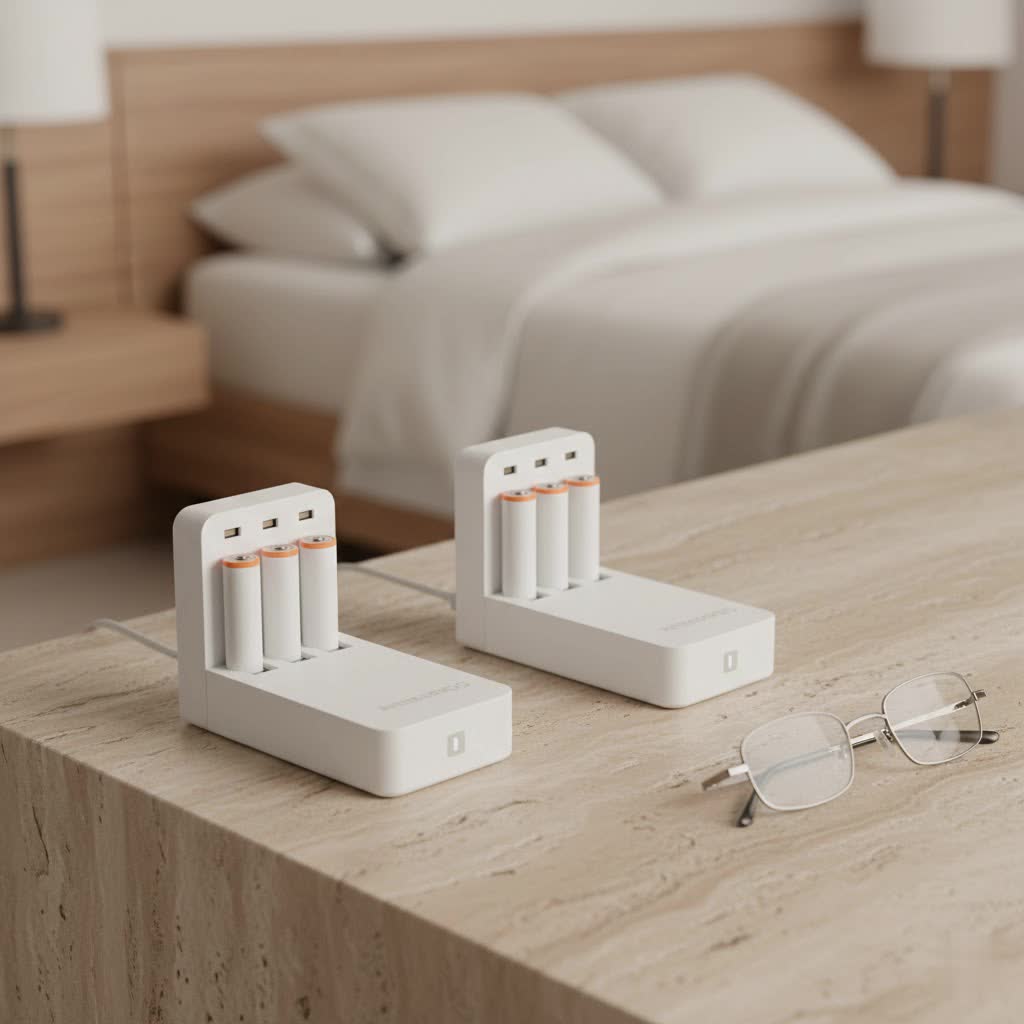
Imagine a world where you never have to scramble for a fresh battery again, where your essential devices are always ready, and where you’re making a tangible difference for our planet. That’s the promise of quality rechargeable D batteries. Let’s explore what makes them tick, how to choose the right ones, and how to maximize their impressive lifespan.
Why Choose Rechargeable D Batteries Over Disposables?
It’s a question many ask, and the answer is multi-faceted. Opting for rechargeable D batteries isn’t just a smart choice; it’s a powerful statement.
First off, let’s talk economics. While the initial outlay for rechargeable D cells and a compatible charger might be slightly higher than a pack of alkalines, the long-term savings are undeniable. A single high-quality rechargeable D battery can endure hundreds, sometimes even over a thousand, charge cycles. Think about how many disposable D batteries you’d go through for just one device over its lifetime – the numbers quickly add up!
Then there’s the environmental impact. Billions of disposable batteries are discarded globally each year, contributing to landfill waste and potential soil and water contamination. Rechargeable D batteries drastically reduce this waste, aligning perfectly with a sustainable lifestyle. It’s a small change with a significant collective impact.
Finally, consider performance and convenience. Modern rechargeable D batteries, particularly those with low self-discharge (LSD) technology, hold their charge for extended periods, meaning they’re ready when you need them, even after months in storage. This reliability is paramount for emergency kits, critical household items, or any device you rely on.
Understanding D Battery Chemistry: NiMH Reigns Supreme
When we talk about rechargeable D batteries, we are primarily referring to Nickel-Metal Hydride (NiMH) chemistry. While other chemistries exist for rechargeable batteries (like Lithium-ion for smaller devices), NiMH offers the best balance of safety, capacity, and cost-effectiveness for the D cell form factor.
NiMH D Batteries: The Reliable Workhorse
|
Our Picks for the Best Rechargeable Batteries in 2026
As an Amazon Associate I earn from qualifying purchases.
|
||
| Num | Product | Action |
|---|---|---|
| 1 | Amazon Basics 12-Pack Rechargeable AAA NiMH Performance Batteries, 800 mAh, 1.2V, Recharge up to 1000x Times, Pre-Charged |

|
| 2 | EBL 16 Sets AA AAA Batteries Combo with 8PCS AA 2300mAh & 8-Pack AAA 800mAh Rechargeable Batteries |
|
| 3 | Amazon Basics 12-Pack Rechargeable AA NiMH Performance Batteries, 2000 mAh, 1.2V, Recharge up to 1000x Times, Pre-Charged |
|
| 4 | Amazon Basics 24-Pack Rechargeable AAA NiMH Performance Batteries, 800 mAh, 1.2V, Recharge up to 1000x Times, Pre-Charged |
|
| 5 | Amazon Basics 24-Pack Rechargeable AA NiMH Batteries, 2000 mAh, 1.2V, Recharge up to 1000x Times, Pre-Charged |
|
| 6 | Amazon Basics 4-Bay Battery Charger for AA & AAA Rechargeable Batteries with Rechargeable AA NiMh Batteries, 4 count (Pack of 1), Type A (American) Plug, Black |
|
| 7 | EBL AA 2300mAh (8 Pack) and AAA 1100mAh (8 Pack) Ni-MH Rechargeable Batteries and AA AAA Rechargeable Battery Charger with 2 USB Charging Ports |
|
| 8 | POWEROWL Rechargeable AA and AAA Batteries with Fast Charger, High Capacity NiMH - 4 x 2800mAh AA & 4 x 1000mAh AAA |
|
| 9 | Amazon Basics NiMh Rechargeable Batteries (4 AA & 4 AAA) with 4 Bay Battery Charger, Type A (American) Plug, Black, 8 Count |
|
| 10 | Amazon Basics 16-Pack Rechargeable AA NiMH Batteries, 2000 mAh, 1.2V, Recharge up to 1000x Times, Pre-Charged |
|
NiMH batteries are the evolution of older Nickel-Cadmium (NiCd) technology, offering higher energy density, less toxicity, and virtually no “memory effect.” This memory effect was a notorious flaw of NiCd batteries, where they would “remember” a partial discharge cycle and subsequently only deliver that much capacity. NiMH largely eliminates this concern, allowing you to charge them whenever convenient.
Modern NiMH D cells typically boast impressive capacities, often ranging from 5,000 mAh to a staggering 10,000 mAh. This high capacity means longer run times for your devices, whether it’s a powerful LED lantern for camping or a baby swing that needs to keep going for hours.
What to Look for in the Best Rechargeable D Batteries
Choosing the right rechargeable D battery can feel like navigating a maze of technical specifications. But don’t fret! Here are the critical factors to consider to ensure you pick the best fit for your needs:
Capacity (mAh): The Powerhouse Metric
Capacity, measured in milliampere-hours (mAh), tells you how much energy the battery can store and deliver. Simply put, a higher mAh rating generally means a longer run time for your device between charges. For D batteries, you’ll often see capacities ranging from 5,000 mAh to 10,000 mAh.
- For High-Drain Devices (e.g., powerful flashlights, certain toys): Opt for the highest mAh you can find, typically 8,000 mAh or above, to ensure maximum performance and endurance.
- For Low-Drain Devices (e.g., portable radios, clocks): While high capacity is still beneficial, batteries in the 5,000-7,000 mAh range will also perform admirably and might be a more budget-friendly option.
Cycle Life: How Many Recharges Can You Expect?
Cycle life refers to the number of charge and discharge cycles a battery can undergo before its capacity significantly degrades. Good quality NiMH D batteries can offer anywhere from 500 to over 1000 cycles. This is where the long-term value truly shines. A battery with a higher cycle life rating means more years of reliable service and fewer replacements.
Low Self-Discharge (LSD) NiMH: Ready When You Are
This is a game-changer for rechargeable batteries, especially D cells, which are often used in devices that aren’t in constant operation. Standard NiMH batteries can lose a significant portion of their charge when left unused for a few months. Low Self-Discharge (LSD) NiMH batteries, sometimes marketed as “pre-charged” or “ready-to-use,” retain their charge much longer. They can hold 70-85% of their charge for up to a year. This feature is invaluable for emergency kits, remote controls, or seasonal items where you need power instantly, without a last-minute charge.
Brand Reputation and Reliability
Just like any other product, the manufacturer matters. Established brands with a proven track record in battery technology often provide more consistent performance, higher safety standards, and better customer support. Look for brands known for their quality NiMH cells. Some of the industry leaders consistently produce the best rechargeable D batteries.
Top Picks: Best Rechargeable D Batteries on the Market
Based on extensive research, user reviews, and my own professional experience, here are some of the standout options when you’re looking for the best rechargeable D batteries:
- Panasonic Eneloop Pro D Batteries: Often considered the gold standard for rechargeable batteries, Eneloop Pro D cells offer exceptional capacity (typically 9,500 mAh) combined with reliable low self-discharge technology and a robust cycle life. They are ideal for high-drain devices and situations where you need consistent, long-lasting power. They come pre-charged and are ready to use right out of the pack.
- EBL 10,000mAh NiMH Rechargeable D Batteries: EBL has gained popularity for offering high-capacity batteries at a competitive price point. Their 10,000 mAh D cells provide impressive run times, making them excellent for power-hungry devices. They also feature low self-discharge, ensuring they retain their charge well over time.
- Tenergy D Size NiMH Rechargeable Batteries: Tenergy is another reputable brand in the rechargeable battery space. Their D cells often come in various capacities, typically around 8,000-10,000 mAh. They are known for good performance in both high and moderate drain applications and offer a solid balance of cost and reliability.
- AmazonBasics High-Capacity D Rechargeable Batteries: While AmazonBasics often rebrands cells from other manufacturers, their high-capacity D cells (usually 10,000 mAh) generally offer good value. They are a decent option for everyday use where high capacity is desired, and they usually come pre-charged.
“Selecting the right rechargeable D battery is about more than just mAh; it’s about understanding how capacity, self-discharge, and cycle life intertwine to meet your specific power needs,” advises Dr. Elara Vance, a lead battery materials scientist at Kiedl.com. “Investing in quality upfront saves you time, money, and hassle in the long run.”
Maximizing Your Rechargeable D Battery Life
Buying the best rechargeable D batteries is only half the battle; proper care and maintenance are key to unlocking their full potential and extending their lifespan.
Choosing the Right Charger
This is crucial. Not all battery chargers are created equal. For NiMH D batteries, you need a smart charger that can:
- Individually charge cells: This prevents overcharging of fully charged cells while others are still charging, which can damage batteries.
- Feature “delta V” or “negative delta V” termination: This sophisticated technology detects when a battery is fully charged and stops the charging process, preventing overcharging and heat buildup.
- Provide appropriate charging current: Too high a current can overheat and damage the battery; too low a current can lead to undercharging. Many smart chargers automatically adjust.
Avoid cheap, basic chargers that might just trickle charge indefinitely or lack proper charge termination, as these can significantly shorten your battery’s life.
Proper Charging Techniques
- Avoid extreme temperatures: Charge batteries at room temperature. Extreme heat or cold can impair the charging process and damage the battery.
- Don’t overcharge: Modern smart chargers handle this, but if you’re using a simpler charger, remove batteries promptly once they’re full. Overcharging can lead to reduced capacity and cycle life.
- Don’t deep discharge unnecessarily: While NiMH batteries don’t suffer from memory effect like NiCd, consistently running them completely dry before recharging can still be slightly more taxing than topping them off when they’re partially depleted.
Storage Tips
- Store at a partial charge: For long-term storage (several months or more), NiMH batteries are best stored at about 50-80% charge, preferably in a cool, dry place. For LSD NiMH, they will maintain this charge for a very long time.
- Keep contacts clean: Periodically wipe battery terminals with a clean, dry cloth to ensure good electrical contact.
- Separate from other metals: Store batteries in a dedicated battery case or their original packaging to prevent accidental short circuits, which can be dangerous.
Safety First: Handling and Disposing of Rechargeable D Batteries
While rechargeable D batteries are generally safe, proper handling is essential to prevent accidents and ensure longevity.
- Never mix battery types: Don’t mix rechargeable D batteries with disposable ones or different chemistries within the same device. This can lead to leakage, overheating, or damage.
- Inspect for damage: Before charging or using, check batteries for any signs of swelling, leakage, or physical damage. Discard any compromised batteries safely.
- Avoid short circuits: Do not carry loose batteries in your pocket or bag where they can come into contact with keys, coins, or other metal objects. This can cause a short circuit, generating heat and potentially leading to a fire.
- Proper disposal: When your rechargeable D batteries eventually reach the end of their useful life (typically after hundreds of cycles, when their capacity significantly diminishes), do not throw them in regular household trash. NiMH batteries contain recyclable materials and should be taken to a designated battery recycling center. Many electronics stores and municipal waste facilities offer battery recycling programs. Check local regulations for proper disposal.
Frequently Asked Questions (FAQ)
Q: Are rechargeable D batteries really worth the extra cost?
A: Absolutely! While the initial investment is higher, the long-term savings from not having to constantly buy disposable batteries, combined with their environmental benefits and reliable performance, make them a very worthwhile purchase over their lifespan of hundreds of charge cycles.
Q: Can I use any charger for my rechargeable D batteries?
A: No, it’s crucial to use a smart charger specifically designed for NiMH batteries that can individually charge cells and detect when they are full. Using an incompatible or low-quality charger can damage the batteries and shorten their life.
Q: How long do rechargeable D batteries last on a single charge?
A: The runtime depends entirely on the battery’s capacity (mAh) and the power demands of the device. Higher mAh ratings mean longer runtimes. For example, a 10,000 mAh D battery will power a low-drain device for significantly longer than a 5,000 mAh battery in a high-drain device.
Q: Do rechargeable D batteries lose charge when not in use?
A: Older NiMH batteries did experience significant self-discharge. However, modern Low Self-Discharge (LSD) NiMH D batteries are designed to retain 70-85% of their charge for up to a year, making them ideal for devices used intermittently or for emergency kits.
Q: Can I put rechargeable D batteries in any device that uses regular D batteries?
A: Generally, yes. Rechargeable NiMH D batteries operate at a nominal voltage of 1.2V per cell, while alkaline D batteries are 1.5V. Most devices designed for D batteries are tolerant of this slight voltage difference and will function perfectly well with rechargeable versions.
Conclusion
Choosing the best rechargeable D batteries is a smart, sustainable, and economically sound decision. By understanding the key specifications like capacity, cycle life, and the benefits of low self-discharge technology, you can make an informed choice that will power your devices reliably for years to come. Remember to pair your quality batteries with a smart charger and follow proper care and disposal guidelines to truly maximize your investment. Here at Kiedl.com, we champion technology that serves you better and respects our planet. Make the switch to the best rechargeable D batteries today, and experience the convenience and confidence of always having power when you need it most.
