Tired of that never-ending cycle of buying, using, and tossing disposable batteries? Imagine a world where your devices are always ready, your wallet feels a little heavier, and your environmental footprint is significantly lighter. Welcome to the smart choice: rechargeable batteries. Here at Kiedl, we’re all about empowering you with the knowledge to make the best decisions for your tech and our planet. As a leading electronics engineer with a decade in battery R&D, I’m here to guide you through the exciting world of rechargeable batteries, helping you find the “best buy” for every need.
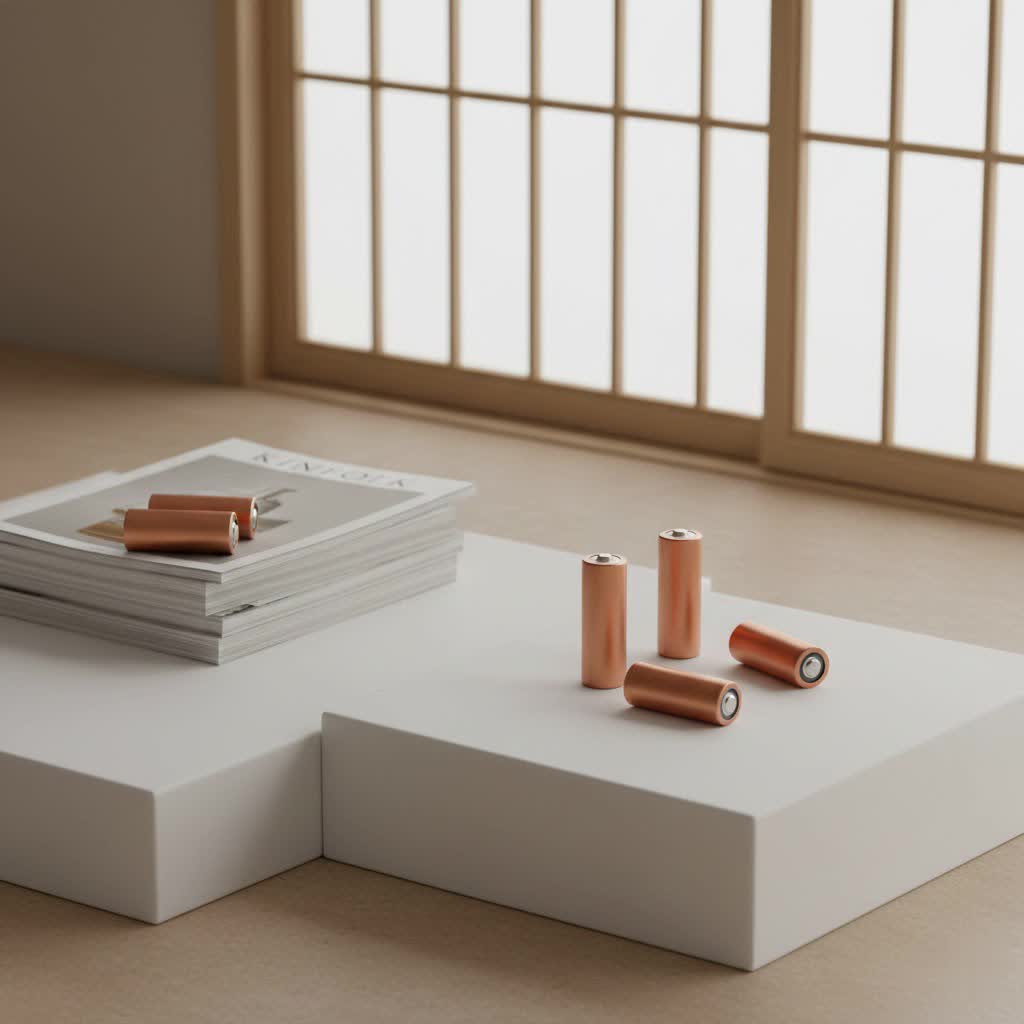
Making the switch to rechargeable batteries isn’t just a trend; it’s a savvy move that combines cost-effectiveness with environmental responsibility. Over their lifespan, a single rechargeable battery can replace hundreds of disposable ones, saving you significant money and preventing mountains of hazardous waste. It’s about more than just convenience; it’s about making a conscious choice that benefits both your household and the global community. As Dr. Elena Petrova, a lead researcher in advanced battery materials at Kiedl Labs, often emphasizes, “The shift to rechargeable batteries isn’t just about saving money; it’s a critical step towards a more sustainable future, reducing electronic waste one cell at a time.”
Decoding Rechargeable Battery Types: NiMH vs. Lithium-ion
When you dive into the world of rechargeable batteries, you’ll primarily encounter two main chemistries dominating the market for consumer electronics: Nickel-Metal Hydride (NiMH) and Lithium-ion (Li-ion). Understanding their differences is key to choosing the right power source.
Nickel-Metal Hydride (NiMH): The Everyday Workhorse
For most common household devices, NiMH rechargeable batteries, especially in AA and AAA sizes, are your go-to. They are the evolution of older Nickel-Cadmium (NiCd) batteries, largely replacing them due to superior performance and environmental friendliness.
- What they are: These batteries are known for their decent energy density and ability to be recharged hundreds, sometimes even thousands, of times. They typically provide a stable 1.2V output.
- Pros: High capacity compared to traditional alkalines, less prone to the “memory effect” that plagued NiCd batteries (meaning you don’t have to fully discharge them before recharging), and a significantly longer cycle life than disposables. Modern NiMH batteries also feature “Low Self-Discharge” (LSD) technology, allowing them to retain their charge for months or even years when not in use. This makes them incredibly convenient for devices you don’t use daily, like remotes or clocks.
- Cons: While much improved, they still have a higher self-discharge rate than Lithium-ion batteries if they aren’t LSD types. They can also be susceptible to damage from excessive overcharging, which is why a good charger is crucial.
- Best for: Flashlights, gaming controllers, toys, smart doorbells, TV remotes, and other devices requiring standard AA or AAA sizes. Brands like Panasonic Eneloop and Energizer Recharge are synonymous with quality in this category.
|
Our Picks for the Best Rechargeable Batteries in 2026
As an Amazon Associate I earn from qualifying purchases.
|
||
| Num | Product | Action |
|---|---|---|
| 1 | EBL 16 Sets AA AAA Batteries Combo with 8PCS AA 2300mAh & 8-Pack AAA 800mAh Rechargeable Batteries |

|
| 2 | Amazon Basics 12-Pack Rechargeable AAA NiMH Performance Batteries, 800 mAh, 1.2V, Recharge up to 1000x Times, Pre-Charged |
|
| 3 | Amazon Basics 24-Pack Rechargeable AAA NiMH Performance Batteries, 800 mAh, 1.2V, Recharge up to 1000x Times, Pre-Charged |
|
| 4 | Amazon Basics 24-Pack Rechargeable AA NiMH Batteries, 2000 mAh, 1.2V, Recharge up to 1000x Times, Pre-Charged |
|
| 5 | Amazon Basics 16-Pack Rechargeable AA NiMH Batteries, 2000 mAh, 1.2V, Recharge up to 1000x Times, Pre-Charged |
|
| 6 | Amazon Basics NiMh Rechargeable Batteries (4 AA & 4 AAA) with 4 Bay Battery Charger, Type A (American) Plug, Black, 8 Count |
|
| 7 | Amazon Basics 12-Pack Rechargeable AA NiMH Performance Batteries, 2000 mAh, 1.2V, Recharge up to 1000x Times, Pre-Charged |
|
| 8 | Amazon Basics 4-Bay Battery Charger for AA & AAA Rechargeable Batteries with Rechargeable AA NiMh Batteries, 4 count (Pack of 1), Type A (American) Plug, Black |
|
| 9 | EBL AA 2300mAh (8 Pack) and AAA 1100mAh (8 Pack) Ni-MH Rechargeable Batteries and AA AAA Rechargeable Battery Charger with 2 USB Charging Ports |
|
| 10 | POWEROWL Rechargeable AA and AAA Batteries with Fast Charger, High Capacity NiMH - 4 x 2800mAh AA & 4 x 1000mAh AAA |
|
Lithium-ion (Li-ion): The High-Performance Powerhouse
You’ll find Lithium-ion rechargeable batteries in your smartphones, laptops, digital cameras, and many other portable electronic devices where high energy density and lightweight design are paramount.
- What they are: Li-ion batteries offer exceptional power packed into a small, light form factor, typically providing 3.6V or 3.7V per cell. They are a different beast altogether from AA/AAA NiMH cells.
- Pros: Very high energy density (more power per pound), very low self-discharge (they hold their charge exceptionally well), and virtually no “memory effect.” They are ideal for high-power applications where consistent voltage and long runtime are critical.
- Cons: More expensive to manufacture, require sophisticated charging circuits to prevent overcharging or over-discharging (which can be dangerous), and generally have a lower cycle life than NiMH (though still hundreds of cycles). They also cannot be directly swapped with standard AA/AAA cells due to different voltages.
- Best for: Dedicated camera battery packs (like the Nikon EN-EL series you might see at Best Buy), laptops, mobile phones, and other devices specifically designed for Li-ion power.
What to Look for: Key Specs to Consider When Buying Rechargeable Batteries
Choosing the best rechargeable batteries isn’t just about grabbing the first pack you see. A little insight into the specifications can make a big difference in performance and longevity.
Capacity (mAh): How Long Will It Last?
The “mAh” (milliampere-hour) rating indicates the battery’s capacity – essentially, how much energy it can store. Higher mAh means longer runtime between charges.
- For example, a standard AA NiMH might offer 1900-2000mAh, while a “Pro” version could boast 2500mAh or more. For high-drain devices like digital cameras or gaming controllers, opting for higher mAh rechargeable batteries will provide noticeably longer usage times.
Cycle Life: How Many Times Can It Be Recharged?
This spec tells you how many charge-discharge cycles the battery can endure before its capacity significantly degrades.
- Premium NiMH batteries, like certain Panasonic Eneloop models, can be recharged over 2,100 times, offering incredible value and longevity. Others might range from 500 to 1000 cycles. A higher cycle life translates directly to greater long-term savings and less waste.
Low Self-Discharge (LSD) Feature: Ready When You Need Them
Older rechargeable batteries were notorious for losing their charge quickly even when not in use. Modern LSD NiMH batteries hold their charge much better.
- Look for batteries explicitly marketed as “low self-discharge” or “pre-charged.” This means they’ll still have most of their power months after being charged, making them ideal for emergency kits, remote controls, and other infrequently used devices.
Voltage: Consistency is Key
Standard AA/AAA NiMH rechargeable batteries have a nominal voltage of 1.2V. This is slightly lower than the 1.5V of disposable alkaline batteries. Most modern devices are designed to operate perfectly well with 1.2V rechargeables. However, for a very small number of older or extremely sensitive devices, this voltage difference could theoretically cause issues, though it’s rare. Always ensure your device is compatible.
Size: Match Your Device
This one’s straightforward but critical. Whether you need AA, AAA, 9V, or D-cell rechargeable batteries, ensure you match the size exactly to your device’s requirements. Best Buy offers a wide selection, so you’ll easily find what you need.
Kiedl’s Top Picks: Best Buy Rechargeable Batteries for Every Need
Based on extensive testing and real-world performance, two brands consistently stand out for their reliability and performance in the NiMH category, which is where most consumers will be making their “best buy” decisions for standard sizes.
For General Use & Unwavering Reliability: Panasonic Eneloop (Standard AA/AAA)
Panasonic Eneloop batteries are often considered the gold standard for rechargeable NiMH.
- Why they excel: Their legendary low self-discharge technology means they arrive pre-charged and retain up to 70% of their charge even after 10 years in storage. They boast an impressive cycle life of up to 2,100 recharges, making them incredibly economical and sustainable. For everyday devices around the house, from remote controls to wireless keyboards, standard Eneloop AA and AAA rechargeable batteries are an unmatched choice.
For High-Drain Devices & Professional Demands: Panasonic Eneloop Pro & Energizer Recharge Power Plus
When your devices demand more power, like high-performance flashlights, digital cameras with frequent flash use, or power-hungry gaming controllers, you’ll want to step up to higher capacity options.
- Panasonic Eneloop Pro: These are the beefed-up versions of the standard Eneloops, offering higher mAh capacities (e.g., 2550mAh for AA) ideal for demanding electronics. While their cycle life is typically lower (around 500 cycles) than standard Eneloops, they deliver sustained power output, perfect for devices that quickly drain standard batteries. For instance, in an Xbox controller, the right rechargeable batteries can provide up to 30 hours of life per cycle and recharge in less than 4 hours, significantly outpacing disposables and offering seamless gaming sessions.
- Energizer Recharge Power Plus: Energizer is another powerhouse in the rechargeable battery market. Their Recharge Power Plus line offers competitive capacities and good cycle life, often bundled with reliable chargers. They are a strong contender for various high-drain applications, providing consistent power when you need it most.
The Importance of a Good Charger
Don’t skimp on the charger! A smart charger is just as important as the rechargeable batteries themselves, especially when you’re looking for the “best buy” in terms of overall value.
- Smart Chargers: These chargers monitor each battery independently, stopping the charge cycle when full to prevent overcharging, which can damage batteries and shorten their lifespan. They often feature individual charging channels, LCD displays, and safety features.
- Basic/Timer Chargers: Less sophisticated chargers might charge batteries in pairs or simply charge for a fixed amount of time, regardless of the battery’s state. While cheaper, they can lead to overcharging and reduce battery life over time.
- Recommendation: When you first purchase rechargeable batteries, invest in a kit that includes a high-quality smart charger. Brands like Panasonic and Energizer offer excellent charger bundles that are often a “best buy” in themselves.
Smart Charging Practices for Maximized Lifespan
Even the best rechargeable batteries won’t last their full potential if not cared for properly. Here are some Kiedl-approved tips for extending their lifespan:
- Use a Smart Charger: As mentioned, this is paramount. It prevents overcharging and ensures each cell gets the right amount of power.
- Avoid Extreme Temperatures: Charge and store your rechargeable batteries at room temperature. Extreme heat or cold can degrade battery performance and lifespan.
- Don’t Deep Discharge NiMH Often: While not as critical as with NiCd, consistently running NiMH batteries completely flat before recharging can slightly reduce their overall cycle life. It’s generally better to recharge them when they are low rather than waiting until they’re dead.
- Store Partially Charged: If you’re not going to use your rechargeable batteries for an extended period, store them with about 50% charge. This helps maintain their chemical stability and prevents degradation.
- Clean Contacts: Periodically clean the battery terminals and charger contacts with a clean, dry cloth to ensure optimal connection and charging efficiency.
Safety First: Handling and Storing Rechargeable Batteries
Your safety is always our priority at Kiedl. While rechargeable batteries are safe when used correctly, improper handling can pose risks.
Safety Warning: Never mix different types of batteries (e.g., rechargeable and disposable) or old and new batteries in the same device. This can lead to leakage, overheating, or even rupture. Always inspect rechargeable batteries for any signs of damage, swelling, or leakage before use. If a battery appears damaged, do not use or charge it; dispose of it properly.
- Avoid Puncturing or Crushing: Physical damage can lead to internal short circuits and dangerous reactions, especially with Lithium-ion cells.
- Keep Away from Metal Objects: When storing loose rechargeable batteries, ensure they are not touching metal objects like keys or coins, which can cause a short circuit. Use battery cases or dedicated storage containers.
- Never Dispose in Fire: Batteries can explode if incinerated.
- Supervise Charging: While smart chargers are excellent, it’s always good practice to supervise batteries during charging, especially new ones.
The Green Choice: Recycling Rechargeable Batteries
One of the most compelling reasons to switch to rechargeable batteries is their positive environmental impact. However, this benefit is maximized only if you recycle them properly at the end of their life.
Rechargeable batteries, due to their chemical components, are considered hazardous waste and must never be thrown into your regular household trash. They contain materials like nickel, cadmium, and lithium that can harm the environment if they leach into landfills.
- Where to Recycle: Many retailers, including Best Buy, offer in-store battery recycling programs. Organizations like Call2Recycle also provide convenient drop-off locations across many regions. Check their websites or your local municipal waste management resources for the nearest recycling center. By ensuring your old rechargeable batteries are recycled, you contribute to the recovery of valuable materials and prevent harmful substances from polluting our planet.
Frequently Asked Questions About Rechargeable Batteries
Q: Are rechargeable batteries really more cost-effective in the long run?
A: Absolutely! While the upfront cost of rechargeable batteries and a good charger might be higher than a pack of disposables, the ability to reuse them hundreds or even thousands of times results in significant savings over their lifespan.
Q: Can I use rechargeable batteries in any device that takes regular alkaline batteries?
A: In most cases, yes. Modern devices are typically designed to handle the 1.2V nominal output of NiMH rechargeable batteries, even if they originally used 1.5V alkalines. However, always check your device’s manual for specific battery recommendations, especially for very sensitive electronics.
Q: How long do rechargeable batteries typically last before needing to be replaced entirely?
A: The lifespan of rechargeable batteries depends on their cycle life (how many times they can be recharged) and how well they are maintained. High-quality NiMH batteries can last for several years, often 3-5 years or more, with proper care and hundreds of recharges.
Q: What’s the main difference between older NiCd and modern NiMH rechargeable batteries?
A: NiMH batteries are a significant upgrade from NiCd. They offer higher capacity, are less prone to the “memory effect” (where batteries lose maximum energy capacity if recharged before being fully discharged), and are more environmentally friendly as they do not contain toxic cadmium.
Q: Why do some rechargeable batteries seem to lose charge quickly when not in use?
A: This phenomenon is known as “self-discharge.” Older NiMH technologies had a noticeable self-discharge rate. However, modern “Low Self-Discharge” (LSD) NiMH batteries, like Panasonic Eneloops, are engineered to retain their charge for months or even years when stored, making them much more practical.
Q: How do I properly dispose of rechargeable batteries when they reach the end of their life?
A: Rechargeable batteries should never be thrown in the regular trash. They contain recyclable materials and potentially hazardous substances. Always take them to designated battery recycling centers, electronics retailers (like Best Buy), or municipal hazardous waste collection sites.
Conclusion: Powering a Smarter, Greener Future
Making the switch to rechargeable batteries is more than just a purchase; it’s an investment in convenience, cost savings, and a healthier planet. From the everyday reliability of NiMH AA and AAA cells to the high-performance demands met by Lithium-ion solutions, there’s a rechargeable battery for every device and every need. By understanding the different types, considering key specifications like capacity and cycle life, and practicing smart charging and recycling habits, you can confidently choose the “best buy” rechargeable batteries that empower your technology and align with your values.
At Kiedl, we believe in empowering you with knowledge. So, next time you’re looking to power your devices, think smart, think rechargeable. You’ll thank yourself (and the planet) for it! Make the switch today and experience the lasting power and peace of mind that comes with making a truly informed choice.
