Tired of the endless cycle of buying, using, and tossing disposable batteries? Imagine a world where your remote control, wireless mouse, and child’s favorite toy are always ready to go, powered by a sustainable, cost-effective solution. Welcome to the world of Rechargeable Aaa Batteries With Charger kits – a smart upgrade that not only saves your wallet but also helps the planet. At Kiedl.com, we believe in empowering you with cutting-edge knowledge, and as a leading electronics engineer, I’m here to guide you through mastering this essential technology.
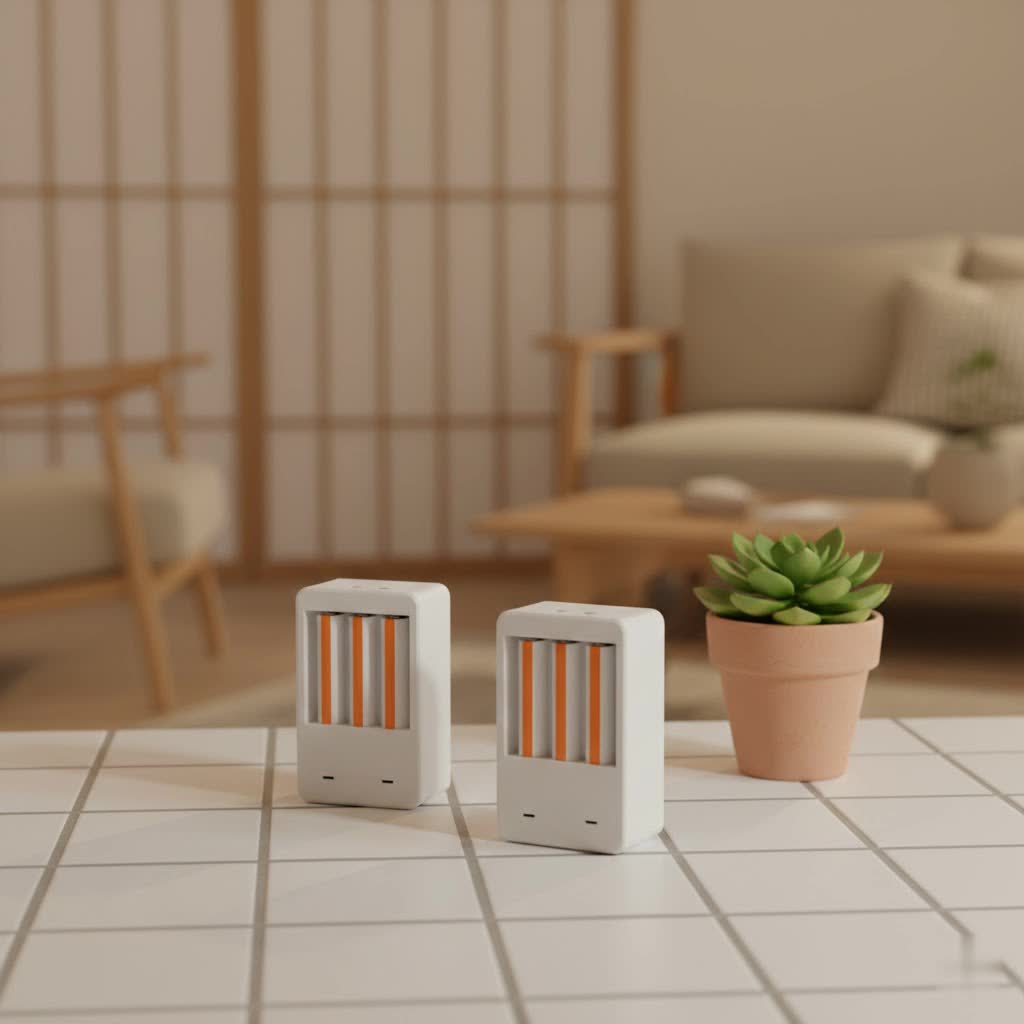
Why Make the Switch? The Power of Rechargeable AAA Batteries
The decision to transition from disposable to rechargeable AAA batteries with charger sets is a clear win for both your finances and the environment. Think about how many single-use AAA batteries you go through in a year – each one a small but persistent drain on your budget and a contribution to landfill waste. Rechargeable batteries break this cycle. While the initial investment for quality rechargeable AAA batteries and a compatible charger might be slightly higher, the long-term savings are substantial, as they can be recharged hundreds, if not over a thousand, times. From an environmental perspective, every rechargeable battery you use means one less disposable battery ends up in our waste streams, significantly reducing toxic waste. Moreover, modern rechargeable AAA batteries provide consistent power output, ensuring your devices run reliably without the sudden performance drops often associated with disposable cells.
Demystifying the Chemistry: Types of Rechargeable AAA Batteries
When it comes to rechargeable AAA batteries, understanding the underlying chemistry is key to making an informed choice.
Nickel-Metal Hydride (NiMH): Your Go-To Choice
|
Our Picks for the Best Rechargeable Batteries in 2026
As an Amazon Associate I earn from qualifying purchases.
|
||
| Num | Product | Action |
|---|---|---|
| 1 | Amazon Basics NiMh Rechargeable Batteries (4 AA & 4 AAA) with 4 Bay Battery Charger, Type A (American) Plug, Black, 8 Count |

|
| 2 | EBL 16 Sets AA AAA Batteries Combo with 8PCS AA 2300mAh & 8-Pack AAA 800mAh Rechargeable Batteries |
|
| 3 | Amazon Basics 12-Pack Rechargeable AA NiMH Performance Batteries, 2000 mAh, 1.2V, Recharge up to 1000x Times, Pre-Charged |
|
| 4 | POWEROWL Rechargeable AA and AAA Batteries with Fast Charger, High Capacity NiMH - 4 x 2800mAh AA & 4 x 1000mAh AAA |
|
| 5 | EBL AA 2300mAh (8 Pack) and AAA 1100mAh (8 Pack) Ni-MH Rechargeable Batteries and AA AAA Rechargeable Battery Charger with 2 USB Charging Ports |
|
| 6 | Amazon Basics 24-Pack Rechargeable AAA NiMH Performance Batteries, 800 mAh, 1.2V, Recharge up to 1000x Times, Pre-Charged |
|
| 7 | Amazon Basics 4-Bay Battery Charger for AA & AAA Rechargeable Batteries with Rechargeable AA NiMh Batteries, 4 count (Pack of 1), Type A (American) Plug, Black |
|
| 8 | Amazon Basics 12-Pack Rechargeable AAA NiMH Performance Batteries, 800 mAh, 1.2V, Recharge up to 1000x Times, Pre-Charged |
|
| 9 | Amazon Basics 24-Pack Rechargeable AA NiMH Batteries, 2000 mAh, 1.2V, Recharge up to 1000x Times, Pre-Charged |
|
| 10 | Amazon Basics 16-Pack Rechargeable AA NiMH Batteries, 2000 mAh, 1.2V, Recharge up to 1000x Times, Pre-Charged |
|
For most everyday applications, Nickel-Metal Hydride (NiMH) batteries are the undisputed champions of rechargeable AAA technology. They offer a fantastic balance of capacity, cycle life, and environmental friendliness. Typically, NiMH AAA batteries come with capacities ranging from 600mAh to 1200mAh. This “mAh” (milliampere-hour) rating indicates how much charge the battery can store, directly correlating to how long it will power your device. NiMH batteries are also considered more environmentally sound than older chemistries like Nickel-Cadmium (NiCd) because they don’t contain toxic cadmium. Most NiMH AAA batteries operate at a nominal voltage of 1.2V, which, despite being slightly lower than the 1.5V of alkaline batteries, is perfectly compatible with the vast majority of modern electronic devices.
Low Self-Discharge (LSD) NiMH: The Storage Superstars
Within the NiMH family, you’ll encounter Low Self-Discharge (LSD) variants. These are truly revolutionary, addressing one of the traditional drawbacks of rechargeable batteries: losing charge while sitting idle. Standard NiMH batteries can lose a significant portion of their charge (20-30%) in just a month, but LSD NiMH batteries, like the popular Panasonic Eneloop or Amazon Basics, can retain up to 70% of their charge even after five years. This makes them ideal for devices you don’t use frequently, such as remote controls, clocks, or emergency flashlights, ensuring they’re ready when you need them without constant topping up.
Lithium-Ion (Li-ion) AAA: The High-Performance Contenders
While less common for standard AAA form factors, Lithium-Ion (Li-ion) rechargeable AAA batteries are also available. These often feature a built-in voltage regulator to maintain a steady 1.5V output, matching alkaline batteries more closely, and offer a higher energy density, meaning more power in a smaller package. However, they are typically more expensive and may require specific chargers. For the vast majority of consumers seeking reliable and affordable rechargeable AAA batteries with charger sets, NiMH, especially the LSD variants, remains the pragmatic and preferred choice.
It’s worth noting that Nickel-Cadmium (NiCd) batteries are an older technology, largely phased out due to their lower capacity, “memory effect,” and the toxicity of cadmium. We recommend avoiding them entirely.
Decoding the Labels: Essential Specifications to Look For
Navigating the world of rechargeable batteries means understanding a few key technical specifications. Don’t worry, it’s simpler than it sounds!
Capacity (mAh): More Power, Longer Run-Time
The capacity, measured in milliampere-hours (mAh), is arguably the most important number on your rechargeable AAA battery. It tells you how much energy the battery can hold, and consequently, how long it will power your device before needing a recharge. For AAA NiMH batteries, capacities generally fall between 600mAh and 1200mAh. If you’re powering high-drain devices like digital cameras or certain toys, opt for batteries with higher mAh ratings (e.g., 900-1100mAh) for extended use. For low-drain devices like TV remotes, an 800mAh battery might be perfectly sufficient.
Voltage (V): Understanding the 1.2V vs. 1.5V Nuance
As mentioned, NiMH AAA batteries typically have a nominal voltage of 1.2V, while standard alkaline batteries are 1.5V. This slight difference rarely causes issues with modern electronics, as most devices are designed to operate effectively across a small voltage range. In fact, many devices will perform perfectly well with 1.2V NiMH batteries, delivering stable power throughout their discharge cycle. Some newer Li-ion AAA batteries, however, come with internal regulators to provide a constant 1.5V, offering an alternative for devices that might be more sensitive to voltage drops, though these are less common in general rechargeable AAA batteries with charger kits.
Cycle Life: How Many Times Can You Recharge?
Cycle life refers to the number of times a rechargeable battery can be fully charged and discharged before its capacity significantly degrades. Good quality NiMH AAA batteries boast impressive cycle lives, often rated for 500 to over 1000 recharge cycles. This translates to years of dependable use from a single set of batteries, highlighting their long-term value.
Self-Discharge Rate: Power When You Need It
The self-discharge rate indicates how quickly a battery loses its charge when not in use. This is where LSD (Low Self-Discharge) NiMH batteries truly shine. If you frequently find yourself grabbing batteries that have been sitting unused for a while only to discover they’re drained, an LSD rechargeable AAA battery with charger is your solution. They’re excellent for emergency kits or devices that see sporadic use, holding their charge for months or even years.
The Perfect Pairing: Choosing the Right Charger for Your Rechargeable AAA Batteries
A great set of rechargeable AAA batteries deserves an equally great charger. The charger is not just a power source; it’s the guardian of your battery’s health and lifespan.
Smart Chargers: The Brains Behind the Power
Forget old, unintelligent “dumb” chargers that simply pump current until a timer runs out. Modern smart chargers are micro-processor controlled and specifically designed for rechargeable batteries. They are essential for optimal performance and longevity. A smart charger can:
- Prevent Overcharging: Overcharging is one of the quickest ways to damage a rechargeable battery, leading to reduced capacity and a shorter lifespan. Smart chargers detect when a battery is full and automatically switch to a trickle charge or stop charging altogether.
- Optimize Charging Rate: They can adjust the charging current based on the battery’s current state and temperature, ensuring a safe and efficient charge.
- Individual Charging Slots: Many smart chargers offer individual charging channels, meaning each battery is charged independently. This is crucial because batteries often have different charge levels, and individual charging prevents overcharging weaker cells or undercharging stronger ones when mixed.
- Detect Damaged Batteries: Some advanced smart chargers can even identify if a battery is nearing the end of its life or is damaged, preventing potential safety issues.
Charging Speed: Fast vs. Gentle
Chargers come with varying charging speeds. Fast chargers can top up your AAA batteries in 1-2 hours, which is incredibly convenient when you’re in a hurry. However, very rapid charging can generate more heat and potentially stress the battery’s internal chemistry, subtly shortening its overall lifespan if done repeatedly. Slow chargers, which might take 4-8 hours, are generally gentler on batteries and can help extend their cycle life. Many users opt for a balance, using a fast charger for convenience and a slower charger or intelligent mode for regular charging. A gentle charging rate, often between 0.3C and 0.5C (where ‘C’ is the battery’s capacity), is recommended to maintain battery health.
Key Charger Features to Consider:
- Individual Charging Slots: As highlighted, this is a must-have feature for ensuring each battery receives the optimal charge.
- LED Indicators: Clear LED indicators that show the charging status (charging, fully charged, error) for each slot are incredibly helpful. Some advanced chargers even use multi-colored LEDs to indicate charge levels.
- Safety Features: Look for chargers with built-in protection against overcharging, overheating, short-circuits, and reverse polarity.
- USB Charging Compatibility: Many modern chargers offer USB input (USB-C or Micro-USB), making them versatile and travel-friendly, allowing you to charge them from power banks, laptops, or car chargers.
“A truly smart charger is the best friend your rechargeable AAA batteries can have. It ensures they live a long, healthy life, saving you money and hassle in the long run.” – Dr. Elena Petrova, Lead Battery Systems Engineer at Kiedl Labs.
Maximizing Lifespan: Care and Maintenance for Your Rechargeable AAA Batteries
You’ve invested in quality rechargeable AAA batteries with charger, now let’s make sure they serve you well for years to come. Proper care goes a long way.
Optimal Charging Practices:
- Charge at Room Temperature: Extreme temperatures, both hot and cold, can negatively impact charging efficiency and battery health. Always charge your batteries in a cool, dry place, ideally at room temperature (around 20-25°C). If batteries are warm from recent use, allow them to cool down before charging.
- Don’t Overcharge: While smart chargers are designed to prevent overcharging, it’s good practice to remove batteries once they are fully charged. Leaving them in a charger indefinitely, especially a less sophisticated one, can still contribute to degradation over time.
- Recharge at 20-30% Capacity: For NiMH batteries, avoiding complete discharge (known as “deep cycling”) can extend their lifespan. Recharge them when your device signals low battery or when they reach around 20-30% capacity. Modern NiMH batteries have minimal memory effect, so you don’t need to fully discharge them before recharging.
Smart Storage Solutions:
- Cool, Dry Place: Store your batteries in a cool, dry environment, away from direct sunlight or heat sources. Temperatures below 25°C (77°F) are ideal. High heat accelerates internal chemical reactions, leading to faster degradation.
- Remove from Devices: If a device won’t be used for an extended period, remove the batteries. This prevents parasitic drain (slow discharge even when the device is off) and minimizes the risk of leakage, which can damage both the battery and the device.
- Partial Charge for Long-Term Storage: For long-term storage (months or more), it’s best to store NiMH batteries with approximately a 40% charge. This helps minimize capacity loss.
Everyday Habits for Longevity:
- Clean Battery Terminals: Periodically inspect and gently clean battery terminals on both the batteries and your devices using a clean cloth or a cotton swab. This ensures good electrical contact and efficient power transfer.
- Don’t Mix Old and New: Avoid mixing batteries of different ages, brands, or charge levels in the same device. This can lead to uneven discharge, potentially stressing the weaker batteries and reducing overall performance.
- Rotate Batteries: In devices that use multiple batteries, rotating their positions periodically can help ensure more even wear and tear, potentially extending the life of the set.
Safety First: Essential Precautions
Safety is paramount when dealing with any power source. Here are some critical precautions:
- Use the Correct Charger: Always use a charger specifically designed for the chemistry of your rechargeable batteries (NiMH for NiMH, Li-ion for Li-ion). Using an incompatible charger can lead to overcharging, overheating, and even fire.
- Monitor Charging Process: While smart chargers are reliable, it’s always a good idea to keep an eye on batteries while they’re charging, especially during the initial cycles. If a battery becomes excessively hot to the touch or you notice any unusual smells or bulging, immediately disconnect it.
- Avoid Physical Damage: Do not puncture, crush, or disassemble rechargeable batteries. Such actions can cause internal shorts, leading to overheating or leakage.
- Keep Away from Children and Pets: Store batteries and chargers out of reach of children and pets to prevent accidental ingestion or misuse.
A Greener Tomorrow: Recycling Your Rechargeable Batteries
Even rechargeable batteries eventually reach the end of their useful life. When they do, proper recycling is crucial to complete the eco-friendly cycle. Rechargeable batteries contain valuable materials that can be recovered and reused, and they also contain chemicals that shouldn’t end up in landfills. Many local recycling centers, electronics stores, and even some supermarkets offer battery drop-off points. Websites like Call2Recycle can help you find a recycling location near you. By responsibly recycling your rechargeable AAA batteries, you’re contributing to a circular economy and further minimizing environmental impact.
Frequently Asked Questions about Rechargeable AAA Batteries with Charger
How long do rechargeable AAA batteries last per charge?
The runtime of rechargeable AAA batteries depends on their capacity (mAh) and the power demands of the device they’re powering. A higher mAh rating will generally provide longer usage. For instance, an 800mAh battery will last longer in a low-drain remote control than in a high-drain digital camera.
Are all AAA rechargeable batteries compatible with any charger?
No, this is a common misconception and a critical point. You must use a charger specifically designed for the chemistry of your rechargeable batteries. NiMH batteries require a NiMH charger, and Li-ion batteries require a Li-ion charger. Using an incorrect charger can damage the batteries, reduce their lifespan, or even pose a safety risk.
Can I use rechargeable AAA batteries in all my devices?
Rechargeable NiMH AAA batteries (1.2V) are compatible with most devices designed for alkaline AAA (1.5V). Modern electronics are usually designed to handle this slight voltage difference. However, very few older or highly sensitive devices might perform sub-optimally or display “low battery” warnings prematurely with 1.2V cells. Always check your device’s manual if you have concerns.
What’s the difference between NiMH and Alkaline AAA batteries?
The primary difference is reusability. Alkaline batteries are single-use and disposable, while NiMH batteries are designed to be recharged hundreds of times. NiMH batteries typically have a nominal voltage of 1.2V compared to alkaline’s 1.5V, and NiMH offers a more consistent voltage output throughout its discharge cycle.
How often should I recharge my AAA batteries if I don’t use them often?
If you’re using Low Self-Discharge (LSD) NiMH rechargeable AAA batteries, you typically only need to top them up every few months, as they retain their charge exceptionally well. For standard NiMH batteries, a recharge every 1-2 months would be beneficial to prevent excessive self-discharge.
Conclusion: Powering Your Life, Sustainably
Embracing rechargeable AAA batteries with charger kits is more than just a convenience; it’s a smart, sustainable lifestyle choice. By understanding the types, specifications, and proper care practices, you unlock years of reliable power for your essential devices, all while contributing to a healthier planet and significant long-term savings. At Kiedl, we’re dedicated to bringing you the precise, easy-to-understand technical insights you need to make the best decisions for your power needs. So, go ahead, power up your world with confidence and efficiency – your gadgets, your wallet, and our planet will thank you.
