Ever found yourself rummaging through drawers for fresh AA batteries, only to be met with dead ends and mounting frustration? It’s a common modern predicament, but thankfully, there’s a smarter, more sustainable solution: Ebl Aa Rechargeable Batteries. As a seasoned electronic engineer specializing in rechargeable battery technology, I’ve seen countless advancements, and EBL has carved out a significant niche with its reliable and cost-effective offerings. Let’s dive deep into what makes these batteries a powerhouse for your devices and how to get the most out of them.
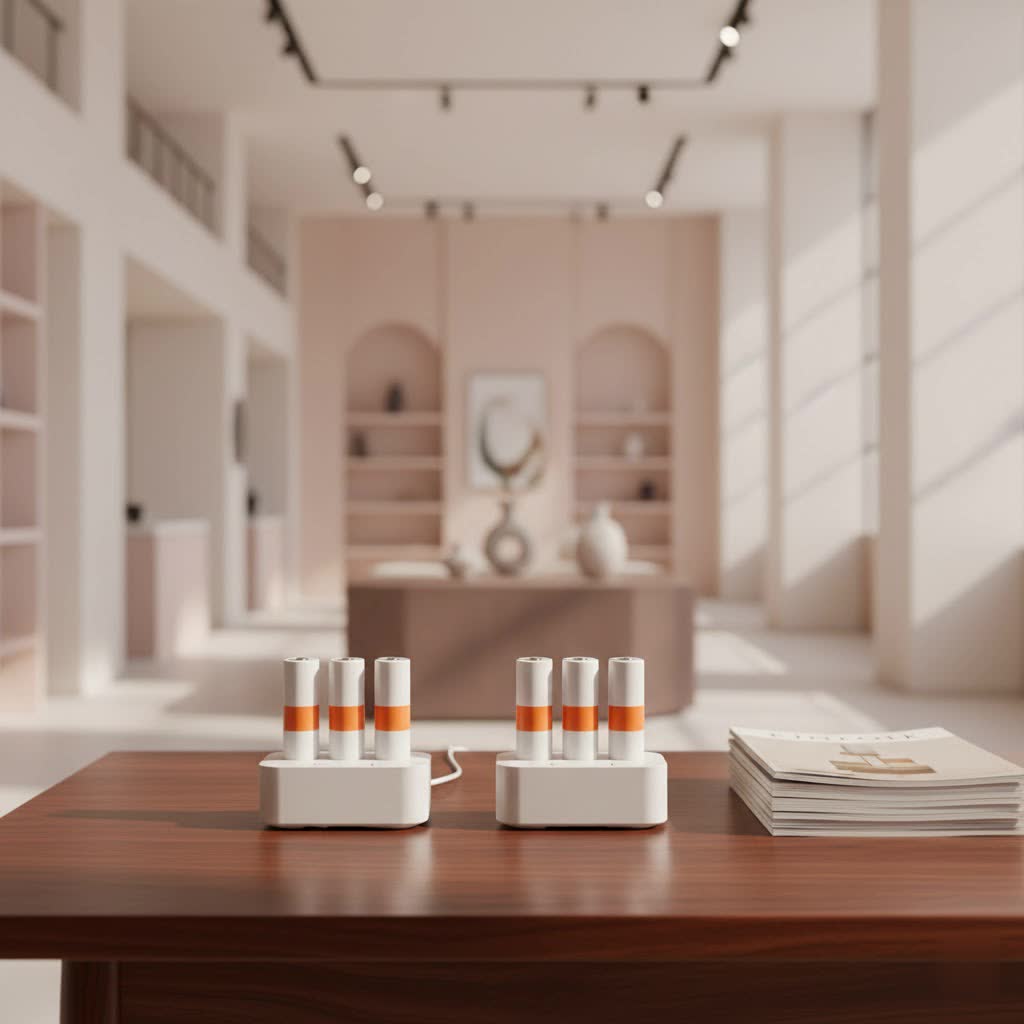
Why Rechargeable Batteries? The EBL Advantage
|
Our Picks for the Best Rechargeable Batteries in 2026
As an Amazon Associate I earn from qualifying purchases.
|
||
| Num | Product | Action |
|---|---|---|
| 1 | EBL 16 Sets AA AAA Batteries Combo with 8PCS AA 2300mAh & 8-Pack AAA 800mAh Rechargeable Batteries |

|
| 2 | Amazon Basics 4-Bay Battery Charger for AA & AAA Rechargeable Batteries with Rechargeable AA NiMh Batteries, 4 count (Pack of 1), Type A (American) Plug, Black |
|
| 3 | Amazon Basics 12-Pack Rechargeable AA NiMH Performance Batteries, 2000 mAh, 1.2V, Recharge up to 1000x Times, Pre-Charged |
|
| 4 | Amazon Basics NiMh Rechargeable Batteries (4 AA & 4 AAA) with 4 Bay Battery Charger, Type A (American) Plug, Black, 8 Count |
|
| 5 | POWEROWL Rechargeable AA and AAA Batteries with Fast Charger, High Capacity NiMH - 4 x 2800mAh AA & 4 x 1000mAh AAA |
|
| 6 | Amazon Basics 24-Pack Rechargeable AAA NiMH Performance Batteries, 800 mAh, 1.2V, Recharge up to 1000x Times, Pre-Charged |
|
| 7 | Amazon Basics 16-Pack Rechargeable AA NiMH Batteries, 2000 mAh, 1.2V, Recharge up to 1000x Times, Pre-Charged |
|
| 8 | Amazon Basics 12-Pack Rechargeable AAA NiMH Performance Batteries, 800 mAh, 1.2V, Recharge up to 1000x Times, Pre-Charged |
|
| 9 | Amazon Basics 24-Pack Rechargeable AA NiMH Batteries, 2000 mAh, 1.2V, Recharge up to 1000x Times, Pre-Charged |
|
| 10 | EBL AA 2300mAh (8 Pack) and AAA 1100mAh (8 Pack) Ni-MH Rechargeable Batteries and AA AAA Rechargeable Battery Charger with 2 USB Charging Ports |
|
In a world increasingly focused on sustainability and efficiency, rechargeable batteries like the EBL AA line are not just a convenience; they’re an ecological and economical imperative. Imagine never having to buy disposable batteries again, drastically reducing waste and saving money in the long run. EBL AA batteries, predominantly using Nickel-Metal Hydride (NiMH) chemistry, offer a fantastic balance of high capacity, good cycle life, and a respectable self-discharge rate, making them a go-to choice for a vast array of devices.
When we talk about performance, EBL’s NiMH AA cells typically boast impressive capacities, often ranging from 2300mAh to 2800mAh. This means they can power your high-drain devices, from digital cameras and gaming controllers to remote controls and wireless keyboards, for extended periods.
Understanding EBL AA Rechargeable Batteries: The Core Chemistry
The heart of most EBL AA rechargeable batteries lies in Nickel-Metal Hydride (NiMH) technology. This chemistry is a significant upgrade from older Nickel-Cadmium (NiCd) batteries, primarily due to its higher energy density (more power in the same size) and the absence of toxic cadmium, making them safer for the environment.
NiMH vs. Other Rechargeable Battery Types
While Lithium-ion (Li-ion) batteries are prevalent in smartphones and laptops, NiMH remains the king for standard AA/AAA sizes due to its robust nature, lower cost, and simpler charging requirements.
- NiMH (Nickel-Metal Hydride):
- Pros: High capacity, environmentally friendlier than NiCd, less prone to “memory effect” than NiCd, widely compatible with devices designed for alkaline batteries.
- Cons: Higher self-discharge rate than some modern Li-ion types (though EBL offers Low Self-Discharge – LSD – versions), voltage drops more steadily during discharge compared to Li-ion.
- Li-ion (Lithium-ion):
- Pros: Very high energy density, very low self-discharge, maintains a higher voltage for longer.
- Cons: More expensive, requires complex charging circuitry for safety, not typically available in standard AA/AAA form factors (though some specialty Li-ion AAs exist with voltage converters).
- NiCd (Nickel-Cadmium): (Largely phased out for consumer use)
- Pros: Very robust, long cycle life.
- Cons: Low energy density, severe memory effect, contains toxic cadmium.
“For everyday electronics, NiMH batteries like EBL AAs strike an excellent balance between performance, cost, and environmental responsibility,” notes Dr. An Binh, Kiedl’s lead battery scientist. “Their versatility makes them a household staple.”
Decoding the Numbers: Key Specifications of EBL AA Batteries
To make informed decisions about your EBL AA rechargeable batteries, it’s crucial to understand a few key technical specifications:
- Voltage (V): Most EBL AA NiMH batteries operate at 1.2V. While this is slightly lower than the 1.5V of a disposable alkaline battery, most modern electronic devices are designed to work perfectly fine with 1.2V NiMH cells.
- Capacity (mAh): This is perhaps the most important spec, measured in milliampere-hours (mAh). It tells you how much energy the battery can store. EBL AA batteries commonly come in 2300mAh, 2500mAh, and 2800mAh variants. A higher mAh rating means longer runtimes between charges. Always check the actual rated capacity, as some promotional numbers can be misleading.
- Cycle Life: This refers to the number of charge and discharge cycles a battery can endure before its capacity significantly degrades. EBL NiMH batteries often boast cycle lives of 500 to 1200 cycles, indicating their long-term value.
- Low Self-Discharge (LSD): Many EBL AA batteries are now “LSD” or “pre-charged” NiMH. This means they retain their charge for much longer when not in use compared to older NiMH types. An EBL LSD battery might retain 80% of its charge after a year, while a traditional NiMH could lose that in a few weeks.
Choosing the Right EBL AA Battery for Your Gear
With various capacities available, how do you pick the perfect EBL AA rechargeable batteries for your devices?
- High-Drain Devices (Digital Cameras, Gaming Controllers, RC Toys): Opt for higher capacity EBL AA batteries, typically 2500mAh or 2800mAh. These devices demand a lot of power quickly, and higher capacity ensures longer operational times.
- Medium-Drain Devices (LED Flashlights, Wireless Mice, Clocks): EBL AA batteries in the 2300mAh to 2500mAh range are usually sufficient, providing a good balance of runtime and cost.
- Low-Drain Devices (TV Remotes, Wall Clocks, Smoke Detectors): While even the highest capacity EBL AAs will work, 2300mAh batteries are perfectly adequate. The key here is often the low self-discharge feature, ensuring your devices are ready when you need them, even after months of inactivity.
Charging Your EBL AA Rechargeable Batteries: Best Practices for Longevity
Proper charging is paramount to maximizing the lifespan and performance of your EBL AA rechargeable batteries. Think of it like a carefully maintained engine – treat it right, and it will serve you faithfully.
What is the best way to charge EBL AA rechargeable batteries?
The best way to charge EBL AA rechargeable batteries is by using a dedicated smart charger designed for NiMH batteries. These chargers detect the battery’s state and deliver the appropriate current, preventing overcharging and extending battery life.
- Use a Smart Charger: Invest in a good quality smart charger that can detect battery capacity, terminate charging automatically, and ideally, charge each battery independently. EBL often sells its batteries in bundles with compatible smart chargers, which is a great starting point. Avoid cheap, basic chargers that might overcharge, as this significantly reduces battery lifespan.
- Avoid Overcharging: Overcharging generates excessive heat, which is detrimental to battery chemistry. Smart chargers prevent this, but if you’re using a basic timer-based charger, be mindful of the recommended charging times.
- Charge at Room Temperature: Extreme temperatures, hot or cold, can negatively impact the charging process and battery health. Charge your EBL AA batteries at typical room temperature for optimal results.
- No Need to Fully Discharge: Unlike older NiCd batteries, NiMH cells like EBL AAs do not suffer significantly from the “memory effect.” You don’t need to fully discharge them before recharging; partial charges are fine.
Safety and Storage: Keeping Your EBL AA Batteries Happy
Safety should always be a top priority when dealing with any battery, including EBL AA rechargeable batteries.
How should I store EBL AA rechargeable batteries when not in use?
Store EBL AA rechargeable batteries in a cool, dry place, ideally at around 50% charge. Keep them away from direct sunlight, extreme temperatures, and metal objects to prevent short circuits.
- Keep Them Dry and Cool: Store your EBL AA batteries in a cool, dry place, away from direct sunlight and extreme temperatures. High heat can accelerate degradation and increase self-discharge.
- Avoid Short Circuits: Never store loose batteries where their terminals can come into contact with metal objects like coins or keys. This can cause a short circuit, leading to heat generation, leakage, or even fire. Use battery cases or the original packaging for safe storage.
- Inspect for Damage: Before charging or using, always visually inspect your EBL AA batteries for any signs of damage, such as swelling, leaks, or torn wrappers. Do not use damaged batteries.
- Keep Out of Reach of Children: Batteries can be a choking hazard for small children. Always store them securely out of their reach.
The Eco-Conscious Choice: Recycling EBL AA Rechargeable Batteries
One of the great benefits of using EBL AA rechargeable batteries is their reduced environmental impact compared to disposables. However, even rechargeable batteries have a finite life and contain materials that should be recycled responsibly.
Where can I recycle my old EBL AA rechargeable batteries?
You can recycle your old EBL AA rechargeable batteries at designated battery recycling points, often found at electronics stores, municipal waste facilities, or through programs like Call2Recycle. Never dispose of them in regular household trash.
- Do Not Dispose of in Regular Trash: Rechargeable batteries, especially NiMH, contain metals that can be harmful to the environment if they end up in landfills.
- Find Recycling Programs: Many retailers that sell batteries, as well as local recycling centers, offer battery recycling services. Programs like Call2Recycle are excellent resources for finding drop-off locations. By recycling, you help recover valuable materials and prevent pollution.
Frequently Asked Questions about EBL AA Rechargeable Batteries
Do EBL AA batteries have a memory effect?
No, EBL AA NiMH batteries have a minimal “memory effect” compared to older NiCd batteries. You do not need to fully discharge them before recharging; partial charges are perfectly fine and won’t significantly impact their lifespan.
Can I use EBL AA rechargeable batteries in any device that uses regular AA batteries?
Yes, most devices designed for 1.5V alkaline AA batteries will operate perfectly fine with 1.2V EBL AA NiMH rechargeable batteries. However, always check your device’s manual to ensure compatibility, especially for very sensitive electronics.
How long do EBL AA rechargeable batteries take to charge?
Charging time for EBL AA batteries depends on their capacity and the charger’s output current. A 2800mAh EBL AA battery charged with a 500mA output charger would typically take around 5-6 hours. Smart chargers often provide estimated charge times.
Are EBL AA batteries pre-charged when I buy them?
Many EBL AA NiMH batteries are sold as “Low Self-Discharge (LSD)” or “pre-charged” batteries, meaning they come ready to use right out of the pack and retain their charge for longer periods in storage. However, for optimal performance, it’s often a good idea to give them a full charge before their first use.
What is the lifespan of EBL AA rechargeable batteries?
The lifespan of EBL AA rechargeable batteries is typically measured in charge cycles, often ranging from 500 to 1200 cycles. With proper care and charging, they can last for several years, offering significant value over disposable batteries.
Conclusion: Embrace the Power of EBL AA Rechargeable Batteries
EBL AA rechargeable batteries are a testament to the advancements in portable power technology. They offer a powerful, economical, and environmentally conscious alternative to disposable cells, powering everything from your essential home gadgets to your most demanding entertainment devices. By understanding their chemistry, recognizing key specifications, and following simple best practices for charging, storage, and recycling, you can unlock the full potential of your EBL AA rechargeable batteries. Make the switch, adopt these habits, and enjoy the convenience and savings that come with reliable, reusable power.
